

Table of Contents
- Why Most Buyers Get Property Assessment Wrong
- Understanding Capital Growth and Market Fundamentals
- Calculating Rental Yield Australia: The Numbers That Matter
- Cash Flow Analysis: Why Rental Income Isn’t Everything
- Identifying High Growth Suburbs and Economic Indicators
- Property Investment Due Diligence Checklist
- Assessing Vacancy Rates, Tenant Demand and Property Type
- Tax Implications, Depreciation and Interest Rate Sensitivity
Last Updated: August 16, 2026
Why Most Buyers Get Property Assessment Wrong
Most buyers focus on the wrong things when they assess investment property potential. They fall in love with a house, check the price, and make a decision. That’s not assessment, that’s guessing.
Real assessment means understanding what drives returns: capital growth, rental yield, tenant demand, vacancy rates, interest rate sensitivity, and tax implications. These variables separate a property that builds wealth from one that bleeds money.
We see this all the time. A buyer finds a property in a "hot" suburb, assumes it will appreciate, and ignores terrible rental yields and climbing vacancy. Another chases yield without understanding economic fundamentals or whether the market is overheated. Neither has actually assessed the property.
The difference between a successful investment and a costly mistake happens behind the scenes, in the numbers you run before you make an offer. At Your Australian Property Buyers Agents, we’ve spent over 30 years watching which properties perform and which ones don’t. The patterns are clear once you know what to look for.
This guide walks you through proper property assessment. Not the five steps most buyers see. The 30 steps that determine whether you win or lose.
Understanding Capital Growth and Market Fundamentals
Capital growth is the increase in property value over time. It’s driven by economic fundamentals: population growth, employment, infrastructure investment, school quality, and local amenities. Suburbs with these factors tend to appreciate; those without stagnate.
Here’s where buyers get it wrong. They assume all capital growth is equal. A 5% annual appreciation in one suburb isn’t equal to 5% in another. A suburb appreciating because of new infrastructure and job creation is fundamentally different from one appreciating because of speculation.
When you assess investment property potential, start with the suburb’s economic story. Is the local population growing? Are employers moving in? Are major infrastructure projects planned? Is the median age trending younger or older?
These questions determine whether capital growth will continue. A property in a suburb with declining population and aging demographics will struggle to appreciate, no matter how cheap it looks. A property in a growth corridor with new jobs, schools, and transport links has tailwinds behind it.
The best properties sit at the intersection of genuine economic growth and relative affordability, suburbs improving but not yet fully priced in by the market. That’s where capital growth compounds.
Calculating Rental Yield Australia: The Numbers That Matter
Rental yield measures how much income a property generates relative to its purchase price. Gross rental yield is simple: annual rent divided by property price. A property worth $500,000 that rents for $25,000 per year has a gross yield of 5%.
But gross yield ignores costs. Net yield subtracts expenses: council rates, water, insurance, maintenance, vacancy allowance, property management fees, and depreciation. A property with 5% gross yield might deliver only 2.5% net yield once costs are factored in.
When you calculate rental yield Australia, be honest about expenses. Many investors underestimate maintenance and vacancy. A property sitting empty two months per year loses 17% of potential annual rent.
Here’s the trap. High yield looks attractive, but it often signals high risk. Why is rent so high relative to price? Usually because the suburb is struggling, tenant demand is weak, or the property is in poor condition.
The best investment properties balance yield with capital growth potential. A property yielding 4% in a high-growth suburb often outperforms one yielding 7% in a declining area. The first builds wealth through both income and appreciation; the second just generates cash while the asset depreciates.
When you assess investment property potential, calculate both gross and net yield. Then ask whether that yield is sustainable. Is it driven by strong tenant demand or by the property being overrented?
Cash Flow Analysis: Why Rental Income Isn’t Everything
Cash flow is what’s left after you pay all expenses and the mortgage. Many investors confuse positive cash flow with a good investment. They’re not the same thing.
A property can have positive cash flow and still be poor if capital growth is stalled. It can have negative cash flow and still be excellent if capital growth is strong. The question isn’t whether you make money monthly, it’s whether total return justifies the risk and capital tied up.
When you run cash flow analysis, include everything: mortgage interest, rates, water, insurance, maintenance, vacancy allowance, property management, and strata fees. Budget at least 1% of property value annually for repairs and upkeep.
Negative cash flow isn’t always bad. Most investment properties in high-growth areas have negative or minimal cash flow. You’re banking on capital growth. That works if the suburb is genuinely improving; it fails if you’ve overpaid or economic conditions deteriorate.
Here’s where experience matters. We’ve seen investors buy properties with strong cash flow in suburbs with no growth prospects, then wonder why they’re not building wealth. We’ve also seen investors buy properties with negative cash flow in high-growth areas and become millionaires ten years later.
The key is understanding the trade-off. Are you willing to contribute cash monthly because you believe in the suburb’s growth? Or do you need the property to be cash-flow positive because you can’t afford to subsidise it?
When you assess investment property potential, model cash flow over ten years. Include interest rate rises. If rates climb 2%, what happens to your monthly cash flow? Can you absorb it?
Identifying High Growth Suburbs and Economic Indicators
Identifying high-growth suburbs requires understanding which economic indicators actually predict appreciation. Population growth alone isn’t enough. Employment growth, infrastructure investment, and demographic trends matter more.
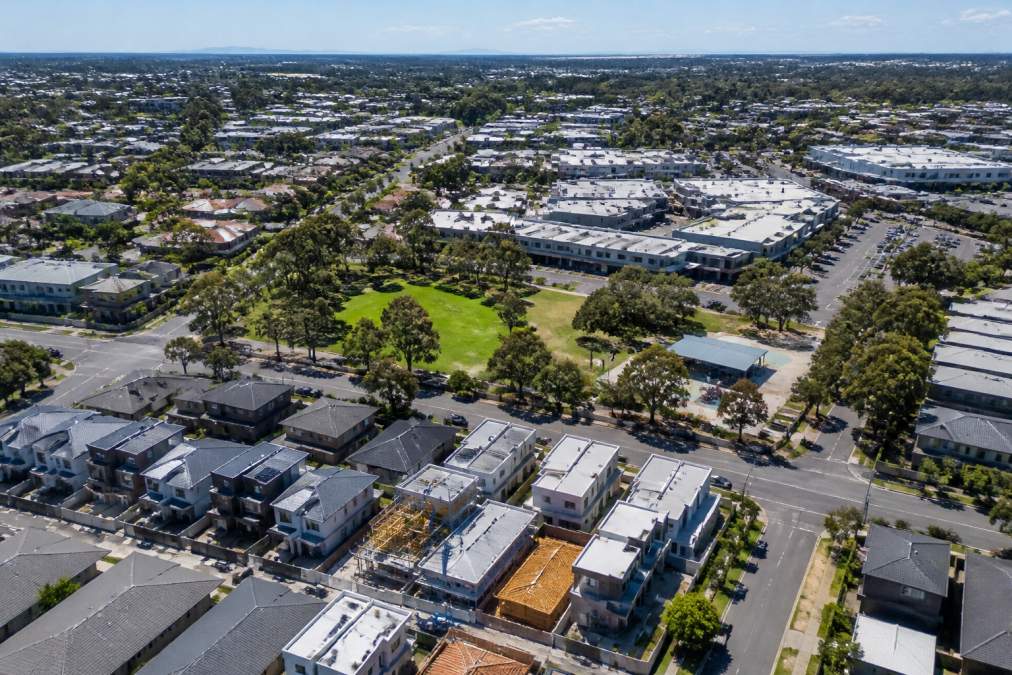
Look for suburbs with several characteristics: population growing faster than the broader region, major employers moving in or expanding, infrastructure projects under way, median house prices rising but still affordable relative to inner suburbs, and younger families moving in.
The Australian Bureau of Statistics publishes detailed suburb data. Check population trends, employment by industry, and median income. Local council websites show planning approvals and infrastructure projects. Real estate data platforms reveal price trends and rental demand.
But here’s what most buyers miss. The best time to buy is not when everyone is talking about a suburb’s growth. It’s before growth becomes obvious. By the time a suburb is famous for appreciation, prices have already climbed and yields have compressed.
Look for suburbs at an inflection point: new major infrastructure approved but not yet built, employment starting to grow, prices still reasonable. That’s when you assess investment property potential most carefully. Tools like our Online Property Tracker help you monitor these trends across Melbourne suburbs before they become common knowledge.
The worst time to buy is when a suburb is at peak hype. Prices are stretched, yields compressed, and the growth story already priced in. A small economic setback can trigger a correction.
Property Investment Due Diligence Checklist
Due diligence is where most buyers fail. They skip it, rush it, or outsource it to someone with conflicts of interest. This is where Property Due Diligence becomes critical, a thorough, independent assessment before you commit.

Here’s what you need to check before you commit.
Property condition: Get a professional building inspection. Structural issues, roof condition, plumbing, electrical, asbestos, rising damp, these cost tens of thousands to fix. An inspection might save you hundreds of thousands.
Title and legal: Check the title for encumbrances, easements, or restrictions. Are there shared driveways? Strata schemes? Body corporate issues? Is the property in a flood zone or bushfire-prone area? Get a lawyer to review the contract.
Comparable sales: How many similar properties have sold recently? At what prices? Are you overpaying? Understanding recent sales history tells you whether prices are climbing or stalling.
Tenant profile: If it’s an investment property, who are the current tenants? How long have they been there? Strong, long-term tenants are valuable. High turnover is a red flag.
Rental demand: Is the property easy to rent? How many similar properties are available? How long do vacancies typically last?
Local market trends: Is the suburb appreciating or declining? Are employment opportunities growing? Are schools improving? Is infrastructure investment happening?
Interest rate sensitivity: Model what happens if rates rise 1%, 2%, or 3%. Can you still afford the mortgage?
Tax implications: Understand depreciation schedules, negative gearing, capital gains tax treatment, and available deductions. A tax accountant familiar with investment property can save you thousands annually.
If you skip any of these, you’re assessing investment property potential without complete information. That’s gambling, not assessment.
Assessing Vacancy Rates, Tenant Demand and Property Type
Vacancy rates tell you how easy it is to keep a property rented. A suburb with 2% vacancy is tight; a suburb with 8% is loose, and properties sit empty while landlords compete on rent.
Tenant demand varies by property type and location. A one-bedroom apartment in the CBD appeals to young professionals. A three-bedroom house appeals to families. A property that doesn’t match tenant demand will struggle to rent.
Here’s where buyers get it wrong. They buy a property type that appeals to them, not one that appeals to tenants in that suburb. A young investor buys a one-bedroom apartment in a family suburb because it’s cheap. But families don’t want one-bedroom apartments.
When you assess investment property potential, match the property type to tenant demand in that location. In growth suburbs attracting young families, three-bedroom houses perform better than apartments. In inner-city locations, smaller apartments appeal to young professionals and downsizers.
Vacancy rates are published by real estate research firms. Track them over time. Rising vacancy is a warning sign, tenant demand is weakening and rents are likely to fall or stagnate.
Property age also matters. Newer properties attract tenants willing to pay premium rent. Older properties rent for less and require more maintenance.
The best investment properties sit at the intersection of strong tenant demand, low vacancy rates, and a property type that appeals to that demand.
Tax Implications, Depreciation and Interest Rate Sensitivity
Tax is where most investors leave money on the table. They don’t understand depreciation, negative gearing, or capital gains treatment. A tax accountant familiar with investment property can identify deductions and strategies that save thousands annually.
Depreciation is the decline in value of building materials and fixtures over time. The Australian Taxation Office allows you to claim depreciation as a deduction against rental income, even though you haven’t spent the money. A depreciation schedule prepared by a quantity surveyor quantifies these deductions.
Negative gearing occurs when rental income falls short of expenses. You claim the loss against other income, reducing your tax bill. For high-income earners, negative gearing can be valuable.
Capital gains tax applies when you sell a property for more than you paid. However, if you hold the property for more than 12 months, you’re eligible for the capital gains tax discount, which halves the taxable gain.
Here’s the critical part. Interest rate sensitivity determines whether your investment survives economic downturns. If you’ve borrowed heavily, a rise in interest rates quickly makes the property unaffordable.
Model what happens at different interest rates. If you’re paying 4% now and rates rise to 6%, your mortgage payments climb. Can you absorb that? If not, you’re over-leveraged.
We see this all the time. Investors buy at the peak of the cycle when rates are low. Rates rise, mortgage payments climb, and they’re forced to sell at a loss or struggle to hold on. The investors who survive downturns are those who bought conservatively, didn’t over-leverage, and could afford higher rates.
When you assess investment property potential, always model interest rate rises. Assume rates could climb 2-3% above current levels. Can the property still work?
Assessing investment property potential properly means running numbers, understanding economic fundamentals, and asking hard questions. Most buyers skip this work. That’s why most buyers overpay and underperform.
Your Australian Property Buyers Agents has spent over 30 years helping buyers avoid these mistakes. We control the process, we control the negotiation, and we control the outcome. That’s what independent buyer advocacy means. We focus on everything that determines whether a property becomes a successful purchase, not just whether you like the kitchen.
Ready to assess your next investment opportunity with confidence? Book a Free Call to discuss your property goals and learn how we help buyers secure the right property at the right price.
Frequently Asked Questions
What is the 2% rule for investment property?
The 2% rule is a quick screening tool: monthly rental income should be at least 2% of the property's purchase price. For example, a $500,000 property should generate $10,000 per month in rent. While useful for initial filtering, it's too simplistic for thorough assessment. You need to calculate actual rental yield, account for vacancy rates, operating expenses and interest costs. This rule works as a starting point but doesn't reveal whether a property will actually generate positive cash flow or capital growth.
How do you calculate rental yield for a potential investment property?
Rental yield has two forms. Gross yield divides annual rental income by purchase price (multiply by 100 for percentage). Net yield subtracts operating expenses first. Example: a $600,000 property renting for $400 per week ($20,800 annually) has a gross yield of 3.47%. But deduct council rates, insurance, maintenance and vacancy (typically 15-25% of rent), and net yield drops to around 2.2%. When assessing investment property potential, always calculate net yield, it shows actual returns after costs.
What are the key indicators of a high-growth investment property?
Look for: strong population growth (2-3% annually), infrastructure investment (transport, schools, employment hubs), low vacancy rates (under 3%), rising median prices, development approvals, and tenant demand from young professionals or families. Economic indicators matter: unemployment below state average, wage growth and business investment. Property features include land value (appreciates faster than buildings), proximity to transport and amenities, and condition. Combine these with your cash flow analysis to identify properties with both rental income and capital appreciation potential.
What happens if I assess a property and it doesn't meet my investment criteria?
This is where discipline wins. We see this all the time, buyers fall in love with a property and ignore poor fundamentals. If cash flow is negative, capital growth weak, or vacancy risk high, walk away. The market always has another opportunity. Your role is to assess objectively using the due diligence checklist and financial models. If numbers don't stack up, no emotional attachment changes that. This is how you avoid overpaying and securing properties that actually perform.
This article was written using GrandRanker