

Secondary Dwellings: A Complete Guide
Table of Contents
- What Are Secondary Dwellings?
- Why Buyers Consider Secondary Dwellings
- Granny Flat Regulations Victoria
- Planning Permits and Council Restrictions
- Property Due Diligence for Secondary Dwellings
- The Real Costs and Financial Risks
- How to Assess a Secondary Dwelling Property
- Frequently Asked Questions
Last Updated: 1 October 2026
What Are Secondary Dwellings?
A secondary dwelling is a self-contained residential unit on the same property as a primary residence, designed to accommodate additional occupants independently. Secondary dwellings come in various forms, granny flats, studio apartments, converted garages, or purpose-built structures, and function as separate living spaces with their own kitchen, bathroom and entrance.
For property buyers in Melbourne, secondary dwellings represent both opportunity and complexity. They can generate rental income, house extended family, or provide flexibility for future resale. But they also introduce regulatory hurdles, construction costs, and council approval risks that many buyers overlook until it’s too late.
At Your Australian Property Buyers Agents, we’ve assessed hundreds of properties with secondary dwelling potential. What we see consistently is that buyers focus on the extra income or lifestyle benefit and miss the structural, legal and financial pitfalls that turn promising opportunities into costly mistakes.
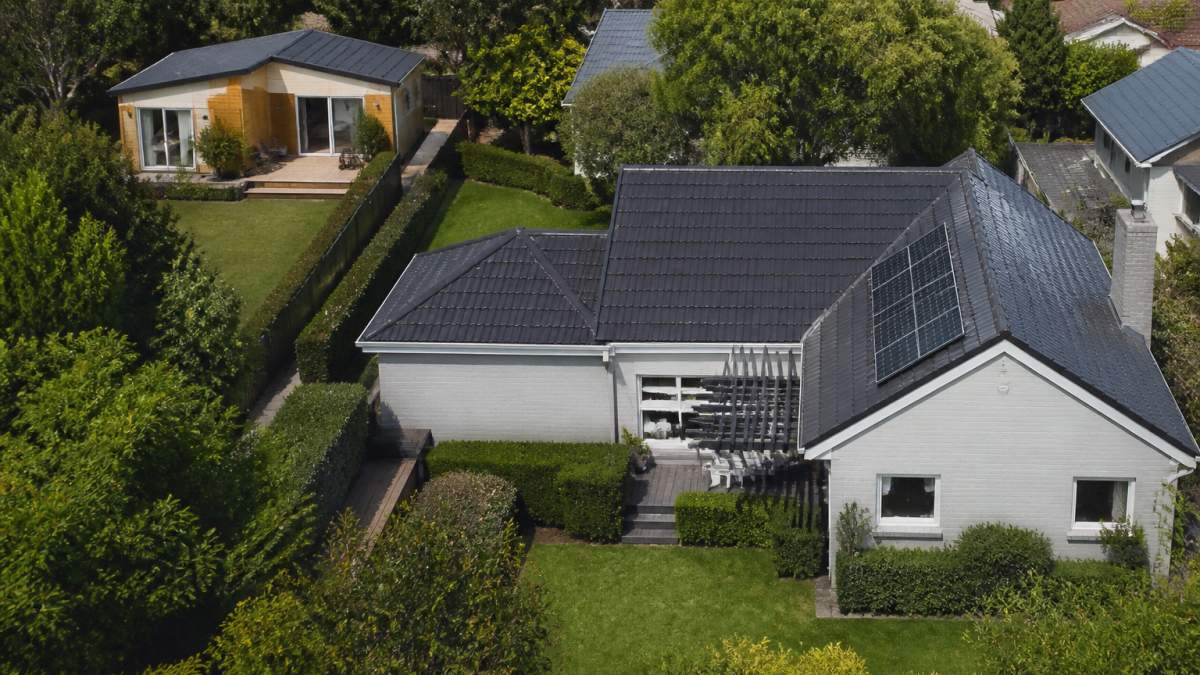
The property may look right. The numbers still need to stack up. Before you commit to a secondary dwelling property, you need to understand what they actually are, how they work legally, and what can go wrong.
Why Buyers Consider Secondary Dwellings
Buyers pursue secondary dwellings for three core reasons: rental income, family accommodation, or investment strategy. Each comes with different expectations and different risks.
Rental income is the most common driver. A secondary dwelling can generate meaningful weekly or monthly revenue, which helps offset mortgage costs or builds portfolio returns. For investors, this income stream justifies paying a premium for the right property.
Family accommodation appeals to buyers who want to house ageing parents, adult children, or provide independence while keeping family close. It eliminates the need for aged care facilities or separate housing arrangements, and it keeps money within the family rather than paying external accommodation providers.
Investment strategy attracts experienced property investors who recognise that secondary dwellings increase a property’s utility and resale value. A property that can accommodate multiple income streams or flexible living arrangements appeals to a broader buyer pool, which matters when you eventually sell.
Here’s where buyers get it wrong: they assume the secondary dwelling is automatically valuable. It isn’t. A secondary dwelling that doesn’t comply with council planning requirements, that’s structurally unsound, or that sits in a location with weak rental demand can become a liability rather than an asset. The structure exists, but it may not be legal to use it. The income potential looks good on paper, but local rental markets may not support it.
This is where experience matters. We assess secondary dwelling properties not just on what they are, but on what they can legally be used for, what they’ll actually generate in rental income, and what risks they carry for future buyers.
Granny Flat Regulations Victoria
Granny flat arrangements in Victoria operate under specific legislative frameworks designed to protect both property owners and occupants. Understanding these regulations is essential before purchasing a property with secondary dwelling potential.
The term “granny flat” typically refers to an informal arrangement where a secondary dwelling houses a family member, often without formal rental agreements or financial exchange. Victoria’s approach recognises these arrangements but subjects them to planning and building compliance requirements.
Under Victorian planning law, a secondary dwelling on residential land generally requires a planning permit unless it meets specific exemptions. Local councils determine whether a secondary dwelling is permissible in a particular zone and what conditions apply. Some councils restrict secondary dwellings to certain suburbs or property sizes. Others impose strict floor area limitations that can make a proposed secondary dwelling non-compliant.
Planning reforms in New South Wales regarding secondary dwellings have influenced Victoria’s regulatory approach, though each state maintains distinct requirements. What matters for Melbourne buyers is that regulatory complexity and refusal risks vary significantly by location. Local councils often impose strict floor area limitations and specific development restrictions that can lead to planning application refusals, distinguishing them from standard dual occupancy developments.
The building code requirements for secondary dwellings are identical to primary residences: they must meet fire safety standards, structural integrity, accessibility requirements and all other building standards. This means renovation or construction costs can be substantial, often underestimated by buyers who assume a secondary dwelling is cheaper to build than a primary home.
Before you make an offer on a property with secondary dwelling potential, verify with the relevant council whether secondary dwellings are permissible, what conditions apply, and whether the existing structure complies. Many properties have unauthorised secondary dwellings that cannot be legally rented or occupied without remediation.
Planning Permits and Council Restrictions
Planning permit requirements are the single biggest barrier buyers face with secondary dwellings. This is where the deal can change.
Every secondary dwelling on residential land in Victoria requires a planning permit from the local council unless it meets narrow exemptions. The exemptions are limited: they typically apply only to certain property sizes, certain zones, and certain configurations. Most secondary dwellings don’t qualify.
What most buyers don’t see is that council approval is not guaranteed. Councils assess applications against planning schemes, neighbourhood character, traffic impacts, parking availability, and other factors. An application can be refused. Even if it’s approved, it may come with conditions, reduced floor area, setback requirements, parking restrictions, or limitations on occupant type.
The application process takes time. It costs money. It requires architectural or planning expertise. And it’s not refundable if the council refuses your application.
Here’s the practical reality: if you’re buying a property specifically for its secondary dwelling potential, you need to know before you commit whether that secondary dwelling is legally permissible. You need to know what conditions the council will impose. You need to budget for the permit application and any remedial work required to comply.
This is not something to discover after you’ve exchanged contracts. By then, you’re committed to the purchase and the secondary dwelling may be worthless.
Different councils have vastly different approaches. Some actively encourage secondary dwellings as a housing solution. Others restrict them heavily. Your local council’s planning scheme will specify what’s permissible in your zone, what size restrictions apply, and what conditions are typical.
Before making an offer, obtain a planning report from a qualified town planner. This is due diligence, not optional.
Property Due Diligence for Secondary Dwellings
Due diligence for a secondary dwelling property extends beyond standard inspections. You’re evaluating not just the physical structure, but its legal status, its compliance with building standards, and its actual income potential.
Physical inspection must examine the secondary dwelling separately from the primary residence. Is the structure sound? Does it have adequate ventilation, natural light, and weather protection? Are there signs of water damage, structural movement, or deferred maintenance? A secondary dwelling that looks functional may have hidden defects that make it unsuitable for rental or occupancy.
Legal status verification is critical. Has the secondary dwelling been approved by council? Does it have a planning permit? Does it comply with the current planning scheme? If it was built years ago, does it meet current building standards? Many older secondary dwellings were constructed before current regulations and may not be legally usable without substantial remedial work.
Building compliance check confirms that the secondary dwelling meets fire safety, structural, accessibility and other building standards. This requires a qualified building inspector, not just a standard property inspection. A secondary dwelling that doesn’t meet building code requirements cannot be legally occupied or rented.
Rental demand assessment tests whether the secondary dwelling will actually generate the income you’re expecting. What’s the local rental market for secondary dwellings? What weekly or monthly rent can you realistically achieve? Are there many similar properties competing for tenants? Weak rental demand means lower income than you’ve projected.
Comparable sales analysis shows what similar properties with secondary dwellings have sold for recently. This tells you whether the secondary dwelling actually adds value to the property or whether you’re paying a premium for something that won’t translate to resale value.
At Your Australian Property Buyers Agents, property due diligence is foundational to every purchase we facilitate. For secondary dwelling properties, we engage specialist inspectors, obtain planning reports, and verify council compliance before our clients commit. This protects them from buying a property where the secondary dwelling is legally unusable or financially unviable.
The Real Costs and Financial Risks
Secondary dwellings attract buyers because of projected income. But the actual costs often exceed expectations, and the financial risks are real.
Construction and renovation costs for a secondary dwelling are substantial.
How to Assess a Secondary Dwelling Property
Assessing a secondary dwelling property requires a systematic approach that goes beyond standard property evaluation.
Frequently Asked Questions
What is the legal definition of a secondary dwelling in Victoria?
In Victoria, a secondary dwelling is a self-contained residential unit on the same property as the primary dwelling. It typically includes its own kitchen, bathroom and living space. The legal status depends on planning rules set by your local council, some classify them as granny flats, others as dual occupancy or accessory dwellings. Always check your council’s planning scheme before proceeding, as definitions and restrictions vary significantly across Melbourne suburbs.
Do I need a planning permit for a secondary dwelling in Melbourne?
In most cases, yes. Planning permit requirements depend on your council’s local laws, the size of the proposed secondary dwelling, and whether you’re building new or converting existing space. Some councils allow secondary dwellings as permitted development under specific conditions; others require a formal permit application. Regulatory complexity and refusal risks are real, local councils often impose strict floor area limitations and development restrictions that can lead to planning application refusals. Always obtain written confirmation from your council before investing time or money.
What is the difference between a granny flat and a secondary dwelling?
A granny flat is typically a secondary dwelling designed for family members, often with less formal legal status and fewer planning restrictions in some circumstances. Secondary dwellings are broader in scope and may be rented to tenants or used for any purpose. In Victoria, granny flat regulations allow certain informal arrangements, but the distinction matters for planning, tax and rental purposes. The term ‘granny flat’ doesn’t automatically exempt you from planning rules, council approval is usually still required.
Can I rent out a secondary dwelling to tenants?
Yes, but it depends on planning approval and your council’s conditions. Some councils permit secondary dwellings for rental income; others restrict them to owner-occupancy or family use only. Check your planning permit conditions carefully, they’ll specify permitted uses. If you’re buying a property with a secondary dwelling for investment purposes, property due diligence is critical. Verify the rental status, compliance history and any council enforcement risks before committing. Many buyers overlook this and face costly surprises.