

Table of Contents
- Most Buyers Only See 5 Steps. Here’s What Happens Behind the Scenes
- How a Buyers Agent Can Help with Negotiations
- Reviewing a Section 32 Statement: What Sellers Must Disclose
- Building and Pest Inspection Checklist: Physical Due Diligence
- Understanding Zoning and Planning Overlays
- Legal Contract Review: Title, Easements and Encumbrances
- Risk Assessment: Flood, Bushfire and Strata Considerations
- The Final Steps: Finance, Settlement and Beyond
Last Updated: August 29, 2026
Most Buyers Only See 5 Steps. Here’s What Happens Behind the Scenes
Most buyers think property due diligence is straightforward: inspect the building, check the title, review the contract. Done.
That’s five steps. We control the other 30.
A property due diligence checklist isn’t just a tick-box exercise. It’s the difference between securing a property at the right price and overpaying for hidden problems. According to Property Due Diligence Checklist data from InvestorKit, 26% of homebuyers faced post-purchase issues they could have avoided with better due diligence. That’s one in four buyers discovering expensive surprises after settlement.
Here’s where buyers get it wrong: they focus on the property itself. They see the kitchen, the views, the location. We focus on everything that determines whether it becomes a successful purchase. The market conditions. The negotiating position. The legal risks buried in the fine print. The structural issues that won’t show up on a quick walk-through.
This guide covers the complete due diligence process that separates buyers who win from those who overpay. We’ll walk you through market research, property inspections, legal reviews, and risk assessment. By the end, you’ll know exactly what to check, and more importantly, what most buyers miss.
Due diligence typically takes 5 to 10 business days after exchange of contracts, aligning with most state cooling-off periods. Plan your inspections and reviews accordingly, rushing this phase is how costly mistakes happen.
How a Buyers Agent Can Help with Negotiations
This is where experience matters. Negotiations don’t start when you make an offer. They start months earlier, during due diligence.
When you understand the property’s true condition, the market position, and the seller’s motivation, you negotiate from strength. You know what to push on. You know what to concede. You know when to walk away.
A buyers agent controls the negotiation process by controlling the information. We conduct deeper due diligence than most buyers attempt alone. We identify issues that give you use. We spot opportunities in the market data that suggest timing or pricing pressure. We review contracts with a decade of experience spotting clauses that favour the seller.
The result? Better terms. Lower prices. Fewer surprises after settlement.
We see this all the time: a buyer finds a property they love and makes an offer without understanding the market. The seller knows they’ve got an emotional buyer. The negotiation is over before it starts. By contrast, a buyer who’s done thorough due diligence approaches with confidence. They know the property’s condition. They know comparable sales. They know their walk-away price. That buyer negotiates differently. They win differently.
Negotiations are won or lost during due diligence, not during the offer phase. The deeper your investigation, the stronger your position.
Reviewing a Section 32 Statement: What Sellers Must Disclose
The Section 32 statement is the seller’s formal disclosure document. It’s mandatory in Victoria. It should tell you everything material about the property.
Should. Doesn’t always.
Sellers must disclose known defects, planning permits, council orders, body corporate issues, and other matters that might affect the property’s value or use. But "known" is the operative word. If the seller doesn’t know about a problem, they don’t have to disclose it. That’s why your own inspections matter.
Review the Section 32 carefully. Look for what’s disclosed, and what isn’t. Check whether planning permits are mentioned. Look for references to council orders or notices. If the property has a pool, spa, or granny flat, verify it was built with proper approval. Many buyers skip this step. They assume the Section 32 is complete.
We’ve seen properties where undisclosed planning permits on neighbouring land created development risk. We’ve seen pools built without council approval. We’ve seen granny flats that don’t comply with regulations. A buyer in the eastern suburbs discovered a planning permit issued the previous year that wasn’t disclosed in the Section 32. The discovery of that undisclosed permit had a dramatic impact on the property’s value, allowing the buyer to renegotiate the contract.
Consumer Affairs Victoria’s due diligence checklist requirements mandate that sellers provide this disclosure. Cross-reference it with your own research. Check the council website for any orders or notices. Search for planning permits. Don’t assume the Section 32 tells the whole story.
An incomplete or misleading Section 32 statement is grounds for contract termination or renegotiation. If something doesn’t add up, investigate before exchange of contracts.

Building and Pest Inspection Checklist: Physical Due Diligence
A building and pest inspection reveals structural issues, roof condition, plumbing, electrical systems, asbestos, termites, and other defects. But not all inspections are equal. A thorough inspection takes time. It includes the roof, subfloor, walls, and all major systems. A rushed inspection misses problems.
Here’s what to check during a building inspection:
- Structural integrity. Cracks in walls or foundations, sagging floors, uneven ceilings. These are expensive to fix.
- Roof condition. Age, damage, leaks, missing tiles.
- Plumbing and drainage. Water pressure, drainage issues, pipe condition. Blocked drains or corroded pipes create expensive surprises.
- Electrical systems. Safety switches, earthing, outdated wiring.
- Asbestos. Common in homes built before 1990. Removal is expensive and regulated.
- Termites and pests. Active infestations or previous damage. Termite treatment and repairs can cost thousands.
- Dampness and ventilation. Moisture in walls or subfloor. This leads to mould and structural decay.
- Windows and doors. Condition, sealing, functionality. Replacement costs add up quickly.
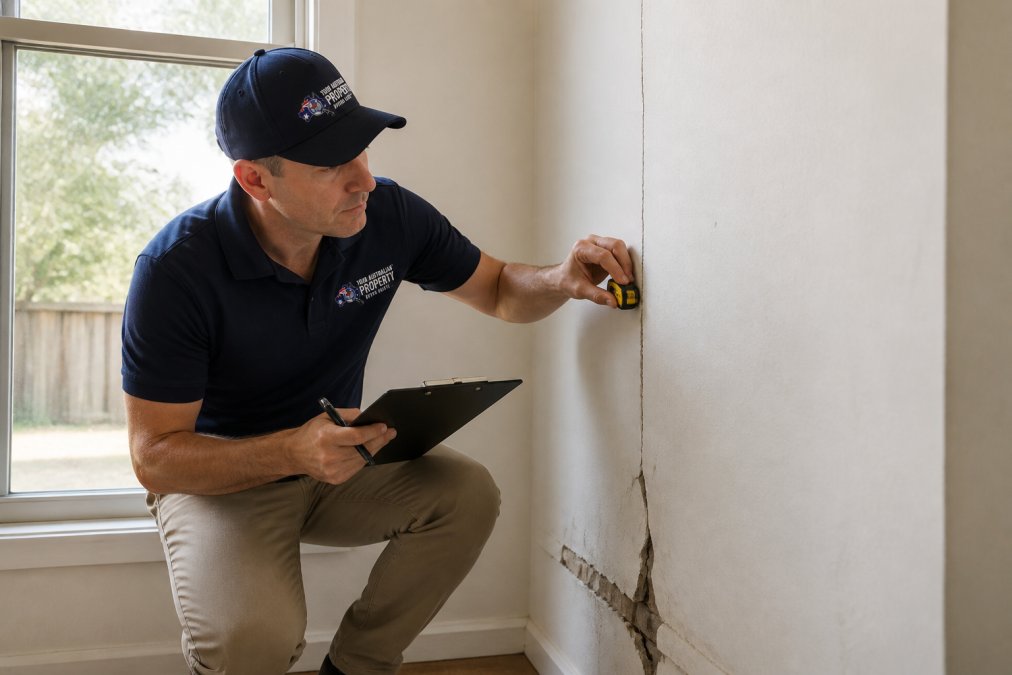
Don’t just rely on the inspector’s written report. Attend the inspection. Ask questions. Understand what’s been identified and what it means for repairs or maintenance. An inspector might note "minor roof wear" in the report. You need to understand whether that means five years of life left or twenty.
Attend the building inspection in person. A written report alone won’t tell you how serious the issues are or what repair costs might look like. Ask your inspector to explain findings in detail.
Understanding Zoning and Planning Overlays
Zoning determines what you can do with the property. Planning overlays add restrictions on top of that.
A property might be zoned residential, but if it’s in a bushfire management overlay, you’ll face building restrictions and maintenance obligations. If it’s in a flood zone, you’ll struggle to get insurance and finance. If it’s near a heritage area, you might not be able to renovate freely.
Check the planning scheme for the property’s zone and any overlays. Look for:
- Zoning. Residential, commercial, mixed-use. This determines permitted uses.
- Bushfire management overlay. Requires specific building standards and vegetation management.
- Flood overlay. Affects insurance, finance, and future development.
- Heritage overlay. Restricts external changes and renovations.
- Development plan overlays. May require planning approval for certain works.
- Environmental significance overlays. Protect native vegetation or waterways.
Planning overlays aren’t deal-breakers, but they affect value and your ability to develop the property. A property in a bushfire zone might be cheaper, but you’ll pay more for insurance and face restrictions on building. A flood zone property might be difficult to finance or insure.
Research the planning scheme before making an offer. Understand the restrictions. Factor them into your valuation. Don’t discover zoning issues after you’ve committed to the purchase.
Legal Contract Review: Title, Easements and Encumbrances
The contract of sale is a legal document that binds you to the purchase. It’s not standard. It varies by property and seller.
The conveyancer checks the title for easements, covenants, and encumbrances. These are legal restrictions or rights that affect the property. An easement might give a neighbour the right to cross your land. A covenant might restrict what you can build. An encumbrance might indicate a mortgage or charge on the property.
Here’s what to review:
- Title search. Verify clear ownership and identify any registered encumbrances.
- Easements. Rights of way, drainage, utilities. These might affect your use of the property.
- Covenants. Restrictions on what you can do with the land. Some are outdated and unenforceable; others still apply.
- Section 32 statement. Cross-check against the title. Look for discrepancies.
- Contract terms. Deposit, settlement date, conditions, cooling-off period, special conditions.
- Chattels and fixtures. What’s included in the sale? Curtains, light fittings, garden sheds? Get clarity in writing.
Understanding title, easements and encumbrances in Australian property helps you grasp these concepts, but a conveyancer interprets them for your specific property. Don’t skip this step.
Easements, covenants, and encumbrances are legal restrictions that affect how you use the property. Identify them before exchange of contracts so you can negotiate or walk away.
Risk Assessment: Flood, Bushfire and Strata Considerations
Risk assessment separates informed buyers from those who discover problems too late.
Check whether the property is in a flood zone or bushfire management area. These carry insurance implications and building restrictions. Get a flood risk report if the property is near waterways or in a historically flood-prone area. Understand what insurance will cost and whether it’s even available.
For strata properties, obtain a strata report. This reveals the body corporate’s financial health, maintenance issues, and any special levies. A strata report might show that the building needs a roof replacement funded through a special levy. That changes the purchase decision.
Check the owners corporation records. Look for:
- Financial statements. Is the sinking fund adequate? Are there special levies planned?
- Meeting minutes. What issues are the owners discussing? Are there disputes or major works planned?
- Maintenance history. What’s been replaced or repaired? What’s aging and likely to need work soon?
- By-laws. Restrictions on renovations, pets, noise, or use of common areas.
Strata living comes with shared costs and shared decision-making. If the building is poorly managed or underfunded, your ownership costs will rise unexpectedly.
The Final Steps: Finance, Settlement and Beyond
Pre-approval from your lender is essential before you start looking. It confirms your borrowing capacity and shows sellers you’re a serious buyer.
But pre-approval isn’t unconditional. The lender will conduct their own due diligence before final approval. They’ll order a valuation. They’ll verify your income and employment. They’ll check your credit history. If the valuation comes in lower than the purchase price, you’ll need to renegotiate or increase your deposit.
After exchange of contracts, you enter the cooling-off period. In Victoria, this is typically 14 days for off-the-plan properties or properties purchased at auction, though it can vary. Use this time to complete your final due diligence. Get building and pest inspections done. Arrange finance. Conduct final title searches. If you discover major issues, you can terminate the contract during this period.
Settlement is when ownership transfers. Your conveyancer handles the legal paperwork. Your lender releases the funds. You receive the keys. But settlement doesn’t end the process. You’ll need to arrange building and contents insurance. You might need to update council records. You’ll need to understand maintenance obligations, especially if it’s a strata property.
Here’s the real lesson: due diligence doesn’t end at settlement. It informs every decision you make as an owner. The property’s condition, the zoning restrictions, the strata obligations, these shape your ownership experience and your ability to sell or refinance later.
=== FAQ ANSWERS (audit these too, same rules) ===
[1] Q: What should be included in a property due diligence checklist?
A: A complete property due diligence checklist covers three tiers: market and suburb research (is this the right area?), property-level inspections (building, pest, strata), and legal review (Section 32, title, easements, zoning). Most buyers focus only on the building inspection, missing the critical work that happens before and after. Property-level checks typically take 5 to 10 business days after exchange of contracts.
[2] Q: Why is a building and pest inspection critical before signing a contract?
A: A building and pest inspection reveals structural issues, asbestos, termite damage and code compliance problems that affect value and safety. Skipping this step can lead to significant post-purchase repairs. Eleven per cent of real estate transactions are terminated due to inspection issues alone. We see buyers walk away from properties after discovering undisclosed structural damage that would have been caught with a proper inspection upfront.
[3] Q: What legal documents must be reviewed before purchasing property in Victoria?
A: The Section 32 vendor statement is mandatory and must disclose known defects, planning permits, easements and council notices. Your conveyancer must review the contract of sale, title search, strata report (if applicable), and any planning overlays affecting the property. A thorough legal review protects your ownership interest and confirms the property can be used for its intended purpose without hidden encumbrances or restrictions.
[4] Q: How can a buyer’s agent assist with property due diligence?
A: A buyer’s agent controls the entire due diligence process: they identify properties aligned with your strategy, coordinate inspections, interpret findings, review legal documents with your conveyancer, and negotiate based on discovered issues. With 30+ years of experience, we’ve seen patterns most buyers miss, undisclosed planning permits, neighbour disputes, future infrastructure impact. We guide you through the 30 steps behind the scenes that determine whether a purchase succeeds or becomes a costly mistake.
[5] Q: What risks should I look for when inspecting a property?
A: Look for structural cracks, water damage, roof condition, asbestos, electrical and plumbing safety, pest infestation, and evidence of previous flooding. Check council records for planning permits on neighbouring properties that might affect future value or privacy. Review the strata report for financial health and special levies. Verify zoning and planning overlays, bushfire management overlays, flood zones and development restrictions all impact value and insurability. Most issues are discoverable with the right inspection checklist and expert guidance.
[6] Q: What are the mandatory checks for property buyers in Victoria?
A: Sellers must provide a due diligence checklist available at open inspections or on their website (Consumer Affairs Victoria requirement). You must review the Section 32 vendor statement, conduct a title search for easements and encumbrances, verify zoning and planning permits via council, obtain a building and pest inspection, and review strata records if applicable. A cooling-off period of 5 business days after exchange allows time to complete final due diligence. These checks are non-negotiable to avoid costly post-purchase surprises.
[7] Q: How long does property due diligence typically take?
A: Property-level due diligence takes 5 to 10 business days after exchange of contracts, aligning with Victoria’s cooling-off period. Full market and suburb research, property inspections, and legal review typically span 2-4 weeks before making an unconditional offer. Most buyers complete this process within 60 days when working with an experienced buyer’s agent who coordinates all elements simultaneously. Rushing due diligence is where costly mistakes happen, we see this all the time with first-time buyers under time pressure.
[8] Q: What happens if due diligence reveals a major issue with the property?
A: If inspections or legal review uncover serious defects, structural damage, planning restrictions or title issues, you have options: renegotiate the price downward to reflect repair costs, request the seller fix the issue before settlement, or walk away during the cooling-off period without penalty. This is where experience matters, we’ve helped buyers re-negotiate contracts after discovering undisclosed planning permits, neighbour disputes and structural defects. The discovery process gives you leverage to secure the right price or exit the deal safely.
Frequently Asked Questions
Q: What should be included in a property due diligence checklist?
A: A complete property due diligence checklist covers three tiers: market and suburb research (is this the right area?), property-level inspections (building, pest, strata), and legal review (Section 32, title, easements, zoning). Most buyers focus only on the building inspection, missing the critical work that happens before and after. Property-level checks typically take 5 to 10 business days after exchange of contracts.
Q: Why is a building and pest inspection critical before signing a contract?
A: A building and pest inspection reveals structural issues, asbestos, termite damage and code compliance problems that affect value and safety. Skipping this step can lead to significant post-purchase repairs. Eleven per cent of real estate transactions are terminated due to inspection issues alone. We see buyers walk away from properties after discovering undisclosed structural damage that would have been caught with a proper inspection upfront.
Q: What legal documents must be reviewed before purchasing property in Victoria?
A: The Section 32 vendor statement is mandatory and must disclose known defects, planning permits, easements and council notices. Your conveyancer must review the contract of sale, title search, strata report (if applicable), and any planning overlays affecting the property. A thorough legal review protects your ownership interest and confirms the property can be used for its intended purpose without hidden encumbrances or restrictions.
Q: How can a buyer's agent assist with property due diligence?
A: A buyer's agent controls the entire due diligence process: they identify properties aligned with your strategy, coordinate inspections, interpret findings, review legal documents with your conveyancer, and negotiate based on discovered issues. With 30+ years of experience, we've seen patterns most buyers miss, undisclosed planning permits, neighbour disputes, future infrastructure impact. We guide you through the 30 steps behind the scenes that determine whether a purchase succeeds or becomes a costly mistake.
Q: What risks should I look for when inspecting a property?
A: Look for structural cracks, water damage, roof condition, asbestos, electrical and plumbing safety, pest infestation, and evidence of previous flooding. Check council records for planning permits on neighbouring properties that might affect future value or privacy. Review the strata report for financial health and special levies. Verify zoning and planning overlays, bushfire management overlays, flood zones and development restrictions all impact value and insurability. Most issues are discoverable with the right inspection checklist and expert guidance.
Q: What are the mandatory checks for property buyers in Victoria?
A: Sellers must provide a due diligence checklist available at open inspections or on their website (Consumer Affairs Victoria requirement). You must review the Section 32 vendor statement, conduct a title search for easements and encumbrances, verify zoning and planning permits via council, obtain a building and pest inspection, and review strata records if applicable. A cooling-off period of 5 business days after exchange allows time to complete final due diligence. These checks are non-negotiable to avoid costly post-purchase surprises.
Q: How long does property due diligence typically take?
A: Property-level due diligence takes 5 to 10 business days after exchange of contracts, aligning with Victoria's cooling-off period. Full market and suburb research, property inspections, and legal review typically span 2-4 weeks before making an unconditional offer. Most buyers complete this process within 60 days when working with an experienced buyer's agent who coordinates all elements simultaneously. Rushing due diligence is where costly mistakes happen, we see this all the time with first-time buyers under time pressure.
Q: What happens if due diligence reveals a major issue with the property?
A: If inspections or legal review uncover serious defects, structural damage, planning restrictions or title issues, you have options: renegotiate the price downward to reflect repair costs, request the seller fix the issue before settlement, or walk away during the cooling-off period without penalty. This is where experience matters, we've helped buyers re-negotiate contracts after discovering undisclosed planning permits, neighbour disputes and structural defects. The discovery process gives you leverage to secure the right price or exit the deal safely.
Most buyers focus on finding the right property. We focus on ensuring it’s the right purchase. That’s the difference between a good outcome and a great one. If you’re buying in Melbourne and you want expert guidance through the entire due diligence process, book a strategy session with our team. We’ll walk you through the steps most buyers miss and help you avoid costly mistakes.
This article was written using GrandRanker