
Table of Contents
- Why Granny Flats Are Melbourne’s Smartest Value Play in 2026
- Granny Flat Planning Approval Victoria: What Actually Needs a Permit
- Granny Flat Building Permit Victoria: The Step Most Buyers Underestimate
- Granny Flat Under 60 Square Metres Victoria: What You Can and Cannot Do
- Granny Flat Rental Rules Victoria: Can You Actually Rent It Out?
- Site Restrictions That Kill Granny Flat Plans Before They Start
- Where Experience Matters: Due Diligence Before You Build
- Frequently Asked Questions
Last Updated: 4 October 2026
Why Granny Flats Are Melbourne’s Smartest Value Play in 2026
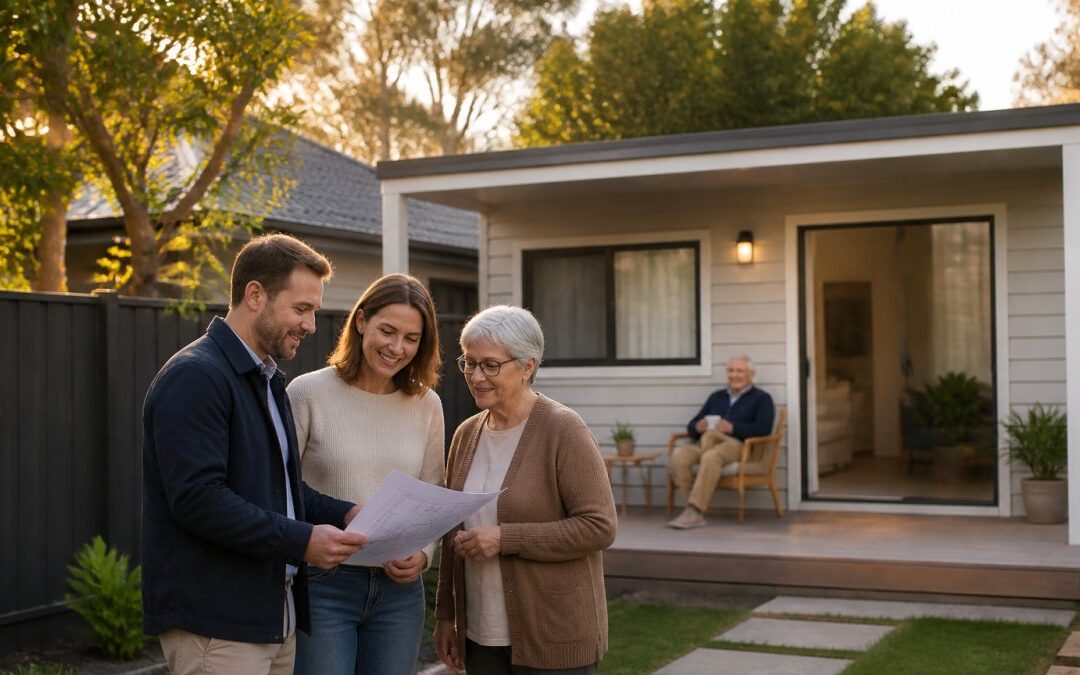
Granny flats are self-contained second dwellings built on the same title as an existing house, and they have become one of the most talked-about additions to Melbourne property in 2026. The Housing Industry Association reports that a recent survey of residential building firms found they expected to build 10 times more granny flats in 2026 than in 2022 (HIA, “Granny flats set to take off”). That is not a small shift. It tells you builders are already repositioning for demand.
At Your Australian Property Buyers Agents, we have watched buyers chase this idea for two very different reasons. Some want rental income. Others want family close but not under the same roof.
Both can work. Neither works if the numbers and the permits don’t stack up.
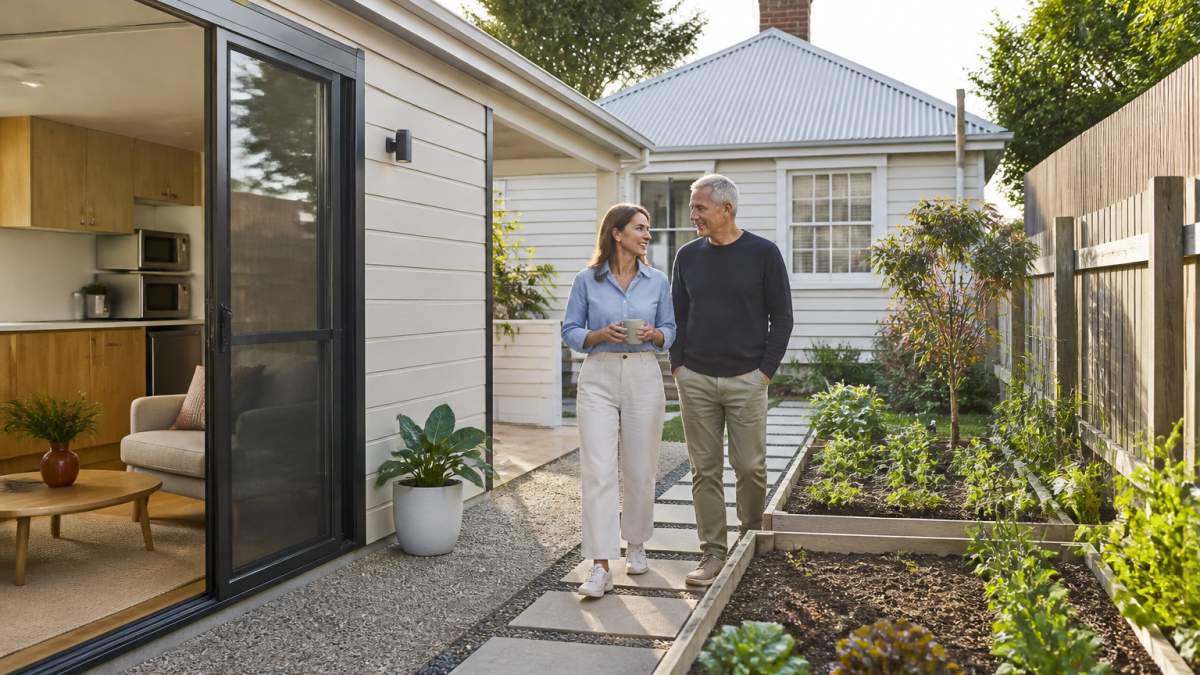
The trap is simple. Buyers fall in love with the idea of a granny flat before they check whether the block, the zoning or the title will allow one. We see it constantly. The property looks right. The numbers still need to stack up.
Below, we break down the planning rules, the permit process and the site restrictions that decide whether your granny flat plan is realistic or dead on arrival.
Granny Flat Planning Approval Victoria: What Actually Needs a Permit
Planning approval for a granny flat in Victoria depends on size, siting and the specific rules that apply to your land, not on a single blanket exemption. This is where the most common myth lives.
Many buyers believe any granny flat under 60 square metres needs no approval at all. That is not how the system works.
Assuming a sub-60 square metre granny flat is automatically exempt is the single most expensive mistake we see. If the dwelling fails siting, setback or overshadowing rules, you can be ordered to demolish it, and you will have paid for the build twice.
Whether you need a planning permit turns on several factors:
- The size and height of the structure
- How close it sits to boundaries
- Whether it overshadows or overlooks neighbours
- Any overlay that applies to your land, such as heritage or a special building overlay
- The rules your local council applies on top of the state provisions
The honest answer is that “under 60 square metres” is a useful starting point, not a guarantee. Always confirm the current requirements directly with the Victorian Government’s planning portal and your council before you commit to anything.
The 60 Square Metre Rule Explained
The 60 square metre figure is a threshold that can reduce requirements, not a universal exemption. A smaller dwelling may avoid a planning permit in some circumstances, but only if it also meets siting, setback and coverage rules.
Get one of those wrong and the size becomes irrelevant.
Granny Flat Building Permit Victoria: The Step Most Buyers Underestimate
A building permit is almost always required for a granny flat, even when a planning permit is not. This is the step buyers routinely underestimate.
Building permits cover the structural side: how the dwelling is built, not just where it sits. You will need:
- Compliant construction drawings
- A registered building surveyor
- Documentation that meets the current building regulations
- Inspections at set stages of the build
Skip this and you risk an illegal structure that no insurer will cover and no lender will value properly.
Ask your surveyor about the building permit pathway in writing before you exchange on a property you plan to develop. It takes ten minutes and it can save you a six-figure mistake.
Granny Flat Under 60 Square Metres Victoria: What You Can and Cannot Do
A granny flat under 60 square metres in Victoria can often be built with fewer planning hurdles, but it still has hard limits. Size alone does not unlock everything.
What you can typically do:
- Build a compact self-contained dwelling with a bedroom, bathroom and kitchenette
- House a family member or use it as a rental, subject to the rules below
- Add it to the same title as the main home
What you cannot assume:
- That no permit of any kind is needed
- That you can ignore setbacks, height limits or site coverage
- That the structure can be sold separately from the main house
That last point matters more than most buyers realise. A granny flat on the same title cannot be subdivided and sold on its own unless the land itself can be subdivided.
Granny Flat Rental Rules Victoria: Can You Actually Rent It Out?
You can generally rent out a granny flat in Victoria, but the rules that apply depend on how it is classified and what your council allows. This is where investors need to slow down.
If the dwelling is a lawful second dwelling on the title, renting it is usually straightforward. If it was built without the right permits, renting it exposes you to real risk.
- Tenancy laws apply to the granny flat as a separate rental
- Your insurer needs to know it is a rental, not a family dwelling
- Your lender may treat the property differently once it produces income
| Situation | Planning permit | Building permit | Can you rent it? |
|---|---|---|---|
| Small dwelling, compliant siting | Often not required | Required | Usually yes |
| Larger or poorly sited dwelling | Required | Required | Yes, once approved |
| Unpermitted structure | Not obtained | Not obtained | No, high risk |
We always tell investors the same thing: get the classification right first, then run the numbers. A granny flat that cannot be legally rented is not an income asset, it is a liability.
Site Restrictions That Kill Granny Flat Plans Before They Start
Site restrictions stop more granny flat plans than planning rules ever do. The block, not the paperwork, is usually the real constraint.
What we check before a client commits to a property with granny flat potential:
- Block size and shape, including narrow or battle-axe blocks
- Available backyard space after setbacks and site coverage
- Slope, drainage and easements running through the land
- Vehicle access and whether a second driveway is feasible
- Overlays that restrict what can be built
Here’s where buyers get it wrong. They buy for the granny flat, then discover the easement runs straight through the only spot it could go.
Where Experience Matters: Due Diligence Before You Build
Due diligence is where a granny flat plan succeeds or fails, and it happens long before you sign a building contract. This is the part most buyers never see.
We assess granny flat potential the same way we assess any value driver:
- Does the block genuinely support a second dwelling?
- What do comparable sales in the area say about the added value?
- Will the build cost be recovered at resale?
- Does the rental return justify the outlay?
This is where experience matters. We have spent 30+ years assessing, negotiating and securing Melbourne property, and we know how to separate a genuine value-add from an expensive lesson. Our property due diligence service is built to catch exactly this kind of problem before it costs you.
Granny flats can be one of the smartest moves a Melbourne buyer makes, but only when the planning, the permits and the site all line up. Get one of those wrong and the dream becomes a costly rebuild. If you want an independent eye on a property’s granny flat potential before you commit, Your Australian Property Buyers Agents can help. We bring 30+ years of property experience, confidential sales data and access to off-market opportunities, all working exclusively for you as the buyer. Book a free strategy call and let us check the numbers before you buy.
Frequently Asked Questions
Can you build a granny flat under 60 square metres without planning approval in Victoria?
In many cases, yes. A granny flat under 60 square metres that meets the requirements of Clause 54.03 of the Victorian Planning Scheme can proceed without a planning permit. However, this exemption depends on your property’s zoning, overlays, and specific site conditions. Always confirm with your local council before committing to any build.
What is the difference between planning approval and a building permit for a granny flat?
Planning approval assesses whether the use and development are appropriate for the site, covering matters like neighbourhood character, setbacks and amenity. A building permit, issued under the Building Act 1993 and Building Regulations 2018, confirms the structure meets safety, structural and energy standards. Both may be required, and one does not replace the other.
Can a granny flat be rented out separately in Victoria?
A granny flat can be rented separately provided it complies with the planning scheme, building regulations and local council requirements. If it sits on the same title as the main house, you will need to check whether a separate occupancy permit is required. Rental rules also cover minimum standards, bond lodgement and tenancy agreements under Victorian law.
Do granny flats need separate utility connections?
Not always. Many granny flats share utilities with the main dwelling, but separate metering may be required if you intend to rent the space independently. Water, electricity and gas connections must comply with relevant standards and council requirements. Confirm with your builder and service providers early, as retrofitting connections later adds cost and complexity.