

Table of Contents
- Melbourne’s Investment Landscape in 2026
- Top Growth Suburbs for Capital Growth and Rental Yield
- How to Choose an Investment Property in Melbourne
- Melbourne Property Market Forecast 2026: What the Data Shows
- Capital Growth vs Rental Yield Strategy: Which Wins in 2026
- Off-Market Property Opportunities Melbourne: Your Hidden Advantage
- Common Mistakes Investors Make in Growth Suburbs
- Conclusion: Securing Your Next Property the Right Way
Last Updated: August 21, 2026
Melbourne’s property market is shifting. After years of underperformance, the city is now positioned as Australia’s best-performing capital in 2026, with forecasts predicting 6.6% growth for houses and 7.1% for units according to KPMG’s 2026 property market forecast. But here’s what most buyers miss: the suburbs that deliver this growth follow patterns. They signal opportunity. Knowing where to look separates investors who build wealth from those who chase hype.
At Your Australian Property Buyers Agents, we’ve spent 30+ years analysing which suburbs perform, which disappoint, and what separates a winning acquisition from an expensive mistake. This guide covers the methodology, data, and specific growth suburbs that matter in 2026.
Melbourne’s Investment Landscape in 2026
The Melbourne property market has bottomed and recovered. CoreLogic data shows the median dwelling value sits at approximately $780,000 as of Q1 2026, representing cumulative growth of 3.8% since the market low in early 2023.
But not all suburbs are created equal. According to HtAG Analytics analysis of 1,400+ Melbourne suburbs, only 23% of suburbs are in growth cycle phase 1 or 2 (high-growth phases), while 41% remain in phase 3 or 4 (decelerating or declining). Nearly two-thirds of the market is either slowing or contracting.
Suburb selection determines outcome. A property in the wrong location stagnates for years. A property in the right location compounds wealth.
Supply is critical. The outer western and northern growth corridors experience severe scarcity, with average stock on market at just 1.6%, well below Melbourne’s long-run average of 2.4%. Low supply + rising demand = capital growth. This is where experience matters.
Rental vacancy rates sit consistently below 2% across most of the metro, supporting both yield and capital growth. Population growth is accelerating, driven by interstate migration reversing and overseas migration returning. These macro signals create micro opportunities in the right suburbs.
Top Growth Suburbs for Capital Growth and Rental Yield
Here’s where buyers often get it wrong: they chase recent performers or follow online forums. We see this all the time. Instead, identify suburbs entering early-cycle growth, where capital growth compounds over 3-5 years.
HtAG Analytics identified 47 Melbourne suburbs with early-cycle growth signals in Q1 2026, screened by growth rate cycle phase, supply scarcity, socioeconomic positioning, and yield. Suburbs entering GRC Phase 1 have historically delivered 11.3% median capital growth in the following 12 months, compared to 3.1% city-wide.
Three zones concentrate the strongest signals: the outer western corridor, the northern growth corridor, and the south-eastern infill belt.
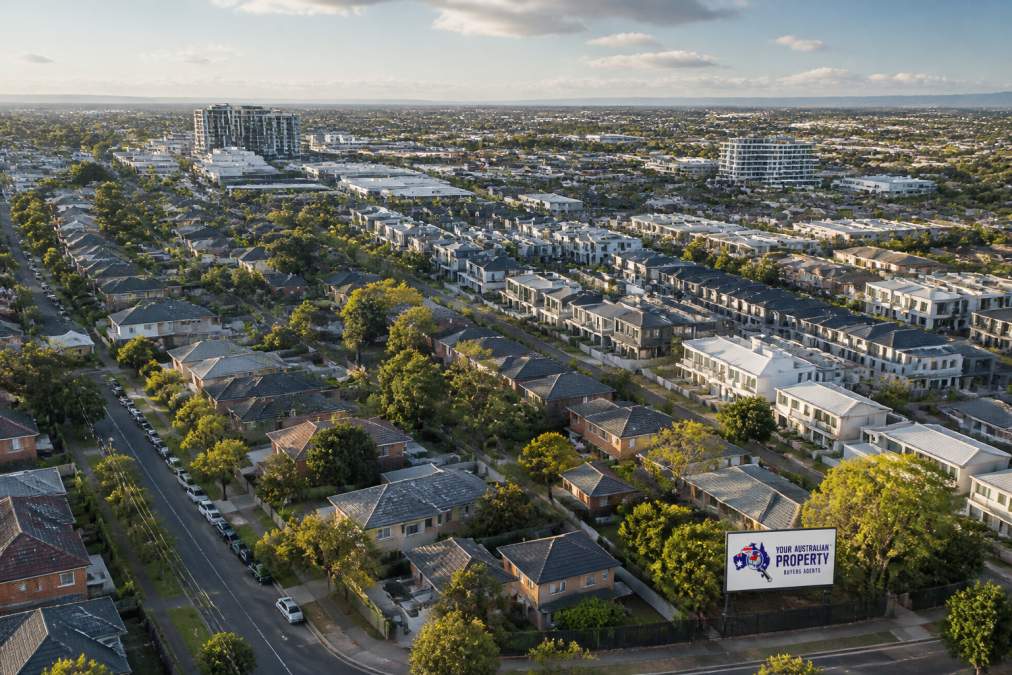
Outer Western Corridor: Wyndham and Surrounds
The outer western corridor is where infrastructure investment meets population pressure. New transport connections, school expansions, and retail development anchor long-term demand.
Suburbs here offer entry prices below $600,000 for solid three-bedroom homes, with rental yields in the 4-5% range. This is the sweet spot: affordable entry, genuine yield, and capital growth potential as infrastructure matures.
The risk is timing. Not every outer western suburb performs equally. Some are oversupplied with apartments. Others lack transport connectivity or employment proximity that drives sustained demand. This is where suburb-specific analysis matters.
Northern Growth Corridor: Craigieburn, Mickleham, Donnybrook
The northern growth corridor has underperformed relative to the west, but that’s changing. Craigieburn, Mickleham, and Donnybrook now show early-cycle signals. Population growth is accelerating, supply is tight, and infrastructure investment is finally reaching these areas.
Entry prices range from $550,000 to $750,000 for new and established homes. Rental yields sit around 4-4.5%. What makes this zone interesting is the catch-up factor: when northern suburbs reach parity with western suburbs, capital growth compounds quickly.
Early-cycle suburbs often trade at a discount precisely because they’re not yet fashionable. By the time the market recognises the opportunity, much upside is already priced in.
South-Eastern Infill Belt: Dandenong, Springvale, Noble Park
The south-eastern infill belt represents a different strategy. These established suburbs have strong migration networks, cultural diversity, and employment proximity. They’re value and yield plays rather than growth corridors.
Entry prices range from $450,000 to $650,000. Rental yields often exceed 5%, making them attractive for investors prioritising cash flow. Capital growth is steadier but less explosive than outer growth corridors.
This zone appeals to investors wanting immediate yield, lower volatility, and less reliance on future infrastructure. It’s a different risk/return profile.
| Corridor | Entry Price Range | Rental Yield | Growth Profile | Best For |
|---|---|---|---|---|
| Outer Western | $550K-$750K | 4-5% | High growth, longer hold | Capital appreciation |
| Northern Growth | $550K-$750K | 4-4.5% | Early-cycle catch-up | Patient investors |
| South-Eastern Infill | $450K-$650K | 5%+ | Steady, yield-focused | Income + stability |
How to Choose an Investment Property in Melbourne
Choosing the right property requires a framework. Most buyers focus on the property itself, kitchen, garden, condition. That’s backwards. The suburb determines 70% of outcome. The property determines 30%.
Start with suburb selection using growth rate cycle analysis. Is the suburb entering phase 1 (early growth) or already in phase 3 (decelerating)? Phase 1 suburbs deliver the strongest returns. This is how you avoid overpaying for properties already priced for growth.
Next, assess supply and demand. Tight supply (below 2% stock on market) signals genuine scarcity. High demand (auction clearance rates, days on market, rental vacancy) confirms scarcity is real. Low supply + high demand = capital growth.
Then evaluate infrastructure. Transport connectivity, school proximity, employment hubs, and retail development anchor long-term demand. A suburb with improving transport has a tailwind. One with declining employment proximity has a headwind.
Finally, analyse rental yield. Even buying for capital growth, rental yield is a safety net. A property with 4%+ yield sustains itself while you wait for appreciation. A property with 2% yield depends entirely on capital growth, riskier.
This is where experience matters. We see buyers skip this framework and buy based on emotion, recent performance, or forum chatter. They overpay. They buy in suburbs that disappoint. They tie up capital in properties that don’t perform. Our Investment Property Advisory service guides you through this framework, ensuring suburb selection and property analysis align with your strategy.
Melbourne Property Market Forecast 2026: What the Data Shows
Forecasts for 2026 are mixed, but growth signals are real.
KPMG predicts 6.6% growth for houses and 7.1% for units, making Melbourne the standout performer nationally. Oxford Economics Australia forecasts 5.5% increase by mid-2026, driven by interstate and overseas migration.
But there’s a contrarian view. ANZ Research forecasts a 1.7% fall in house prices over 2026, citing RBA rate sensitivity and weak consumer confidence. Domain predicts house prices could fall 4-8% over the year to June 2027.
Here’s what this means: the market is bifurcated. Growth suburbs in the right cycle phases will perform. Oversupplied suburbs, inner-city apartments, and suburbs in declining phases will struggle. Suburb selection is determinative.
The rental market is tightening. Vacancy rates below 2% support both yield and capital growth. Rents are rising, improving cash flow for investors and signalling strong tenant demand. This backdrop supports investing now, before further capital appreciation and rental growth.
Population growth is the tailwind. Interstate migration is returning, and overseas migration is accelerating. This drives demand for housing in affordable, well-connected suburbs. The suburbs identified, outer western, northern growth, south-eastern infill, all benefit from this demographic shift.
Capital Growth vs Rental Yield Strategy: Which Wins in 2026
This is the decision point: prioritise capital growth or rental yield?
Capital growth strategy targets suburbs in early-cycle phases with strong infrastructure tailwinds. Entry prices are moderate, yields adequate (4-5%), but focus is on appreciation over 5-10 years. Outer western and northern growth corridors fit this profile.
The advantage: compounding wealth. A $650,000 property appreciating at 6% annually becomes $920,000 in 10 years. The disadvantage: you’re betting on future capital growth. If growth stalls, you’re stuck with moderate yield and limited upside.
Rental yield strategy targets established suburbs with strong migration networks and high tenant demand. Entry prices are lower, yields higher (5%+), focus on immediate cash flow. South-eastern infill suburbs fit this profile.
The advantage: immediate income and lower volatility. A $550,000 property yielding 5% generates strong annual returns. If capital growth disappoints, you’ve still built wealth through rental income. The disadvantage: slower wealth accumulation unless capital growth also materialises.
The best investors don’t choose. They blend both strategies. A portfolio with 60% capital growth plays and 40% yield plays balances risk and return. Early-cycle growth suburbs provide upside. Established, high-yield suburbs provide stability.
In 2026, with forecasts split between growth and caution, this blended approach is prudent. You capture upside if growth materialises. You’re protected by yield if growth stalls.
Off-Market Property Opportunities Melbourne: Your Hidden Advantage
Here’s where most buyers lose money: they compete in the open market. Everyone sees the same listings. Everyone bids against each other. Prices get driven up. Negotiation disappears.
Off-market properties are different. They’re sold before hitting the public market. Competition is minimal. Negotiation is real. Pricing is often below market because the seller hasn’t tested the open market.

Off-market access requires relationships. Real estate agents, developers, and private sellers often approach agents with off-market opportunities before listing publicly. Buyers without these relationships never see them.
This is where a buyer’s advocate makes a tangible difference. Your Australian Property Buyers Agents has 500+ real estate connections across Melbourne, built over 30+ years. We access properties before they hit the market through our Off-Market Properties Melbourne network. We negotiate directly with agents and sellers. We control the process.
If you’re buying on the open market, you’re paying a visibility premium. Off-market access is essential for serious investors.
Common Mistakes Investors Make in Growth Suburbs
Most investors make the same mistakes. We see this all the time, and it costs them tens of thousands.
Mistake 1: Chasing recent performance. A suburb that grew 15% last year gets attention. Buyers rush in. But growth rate cycle analysis shows the suburb is in phase 3 (decelerating). The best growth is already priced in. New buyers overpay.
Mistake 2: Ignoring supply. A suburb looks cheap, so buyers assume it’s undervalued. But supply is high (4-5% stock on market). High supply means weak demand. Weak demand means no capital growth.
Mistake 3: Undersupply without demand. A suburb has tight supply but no employment proximity, poor transport, or weak migration networks. Supply alone doesn’t drive growth. You need supply + demand.
Mistake 4: Buying in oversupplied apartment towers. Docklands, Southbank, and similar inner-city precincts have thousands of apartments. Supply is crushing prices. Many investors are losing money. Avoid.
Mistake 5: Neglecting rental yield. A property yields 2% because you’re betting entirely on capital growth. If capital growth stalls, you’re stuck with a non-performing asset. Yield is a safety net.
Mistake 6: Overleveraging. Low interest rates made overleveraging feel safe. Rising rates have exposed this risk. Investors with 90%+ LVR are vulnerable to rate shocks and market corrections.
Mistake 7: Skipping due diligence. Buyers rush to make an offer without proper inspection, pest and building reports, or suburb analysis. Problems that cost $20,000 to fix are discovered after settlement. Our Property Due Diligence process ensures every risk is identified before you commit.
This is where experience matters. We know how buyers win and lose. We control the process, the negotiation, and the outcome. Most buyers focus on the property. We focus on everything that determines whether it becomes a successful purchase.
Conclusion: Securing Your Next Property the Right Way
Melbourne’s growth suburbs in 2026 offer genuine opportunity, but only if you know where to look and how to negotiate.
The data is clear: early-cycle suburbs in the outer western and northern corridors signal strong capital growth. Established, high-yield suburbs in the south-eastern infill belt offer stability and income. The rental market is tight, population growth is accelerating, and infrastructure investment anchors long-term demand.
But opportunity without strategy is just luck. The difference between success and overpaying comes down to suburb selection, supply/demand analysis, infrastructure assessment, and off-market access.
This is where Your Australian Property Buyers Agents makes a real difference. With 30+ years of Melbourne property experience, access to off-market opportunities, and a track record of securing properties within 60 days, we help buyers avoid costly mistakes and negotiate with confidence. We work exclusively for buyers. No conflicts. No selling. Just independent advice and proven results.
Ready to secure your next property the right way? Book a free strategy session to discuss your investment goals, the suburbs that match your strategy, and how we can help you win in a competitive market.
=== FAQ ANSWERS (audit these too, same rules) ===
[1] Q: What suburbs should I invest in Melbourne in 2026?
A: HtAG Analytics identified 47 suburbs with early-cycle growth signals in Q1 2026. The strongest performers cluster in three zones: the outer western corridor (Wyndham and surrounds), the northern growth corridor (Craigieburn, Mickleham, Donnybrook), and the south-eastern infill belt (Dandenong, Springvale, Noble Park). Suburbs entering Growth Rate Cycle Phase 1 have historically delivered 11.3% median capital growth in the following 12 months, compared to 3.1% city-wide. The key is matching the suburb’s growth phase to your investment timeline and strategy, whether you’re chasing capital growth or rental yield.
[2] Q: How do I choose the right investment property in Melbourne?
A: Start with supply and demand fundamentals. The average stock on market in outer western and northern growth corridors sits at 1.6%, well below Melbourne’s long-run average of 2.4%, tight supply supports price growth. Next, assess the Growth Rate Cycle phase and infrastructure investment pipeline. Then evaluate rental yields (Melbourne’s vacancy rate is 1.6%, supporting strong rental demand) and your own cash flow requirements. Finally, examine the suburb’s economic indicators: population growth, transport connectivity, and zoning potential. This is where experience matters, most investors focus on the property itself. We focus on everything that determines whether it becomes a successful purchase.
[3] Q: Is 2026 a good time to buy an investment property in Melbourne?
A: Yes, with conditions. KPMG forecasts Melbourne house prices to rise 6.6% in 2026 and units 7.1%, positioning Melbourne as Australia’s best-performing capital this year. However, ANZ Research forecasts a 1.7% fall, and Domain is even more cautious with house prices down 4-8% over the year to June 2027. The difference hinges on which suburbs you target and your entry timing. Growth suburbs with early-cycle signals are outperforming the city-wide average by 8.2 percentage points. Timing matters, so does suburb selection.
[4] Q: What’s the difference between capital growth and rental yield, and which should I prioritise?
A: Capital growth is the increase in property value over time; rental yield is the annual rental income as a percentage of the property’s value. Growth suburbs in early-cycle phases prioritise capital growth but often sacrifice yield. Established suburbs offer stronger rental yields (4-5% gross) but slower capital appreciation. Your strategy depends on your timeline and cash flow needs. If you’re building long-term wealth and can absorb negative gearing, chase capital growth in early-cycle suburbs. If you need immediate income, focus on yield-focused suburbs with established rental demand. Most sophisticated investors do both: acquire growth assets early, hold through the cycle, and refinance into yield-focused properties later.
Frequently Asked Questions
What suburbs should I invest in Melbourne in 2026?
HtAG Analytics identified 47 suburbs with early-cycle growth signals in Q1 2026. The strongest performers cluster in three zones: the outer western corridor (Wyndham and surrounds), the northern growth corridor (Craigieburn, Mickleham, Donnybrook), and the south-eastern infill belt (Dandenong, Springvale, Noble Park). Suburbs entering Growth Rate Cycle Phase 1 have historically delivered 11.3% median capital growth in the following 12 months, compared to 3.1% city-wide. The key is matching the suburb's growth phase to your investment timeline and strategy, whether you're chasing capital growth or rental yield.
How do I choose the right investment property in Melbourne?
Start with supply and demand fundamentals. The average stock on market in outer western and northern growth corridors sits at 1.6%, well below Melbourne's long-run average of 2.4%, tight supply supports price growth. Next, assess the Growth Rate Cycle phase and infrastructure investment pipeline. Then evaluate rental yields (Melbourne's vacancy rate is 1.6%, supporting strong rental demand) and your own cash flow requirements. Finally, examine the suburb's economic indicators: population growth, transport connectivity, and zoning potential. This is where experience matters, most investors focus on the property itself. We focus on everything that determines whether it becomes a successful purchase.
Is 2026 a good time to buy an investment property in Melbourne?
Yes, with conditions. KPMG forecasts Melbourne house prices to rise 6.6% in 2026 and units 7.1%, positioning Melbourne as Australia's best-performing capital this year. However, ANZ Research forecasts a 1.7% fall, and Domain is even more cautious with house prices down 4-8% over the year to June 2027. The difference hinges on which suburbs you target and your entry timing. Growth suburbs with early-cycle signals are outperforming the city-wide average by 8.2 percentage points. Timing matters, so does suburb selection.
What's the difference between capital growth and rental yield, and which should I prioritise?
Capital growth is the increase in property value over time; rental yield is the annual rental income as a percentage of the property's value. Growth suburbs in early-cycle phases prioritise capital growth but often sacrifice yield. Established suburbs offer stronger rental yields (4-5% gross) but slower capital appreciation. Your strategy depends on your timeline and cash flow needs. If you're building long-term wealth and can absorb negative gearing, chase capital growth in early-cycle suburbs. If you need immediate income, focus on yield-focused suburbs with established rental demand. Most sophisticated investors do both: acquire growth assets early, hold through the cycle, and refinance into yield-focused properties later.
This article was written using GrandRanker