

Why are you still fighting for 3% yields in a saturated Brisbane market when the Melbourne recovery cycle is handing you a $200,000 entry discount on a silver platter? It sounds counterintuitive until you look at the raw data. With Brisbane median house values now surging past $1.2 million, savvy profit-cyclers are moving their capital south to secure superior value. We see exactly where Brisbane investors are buying in Melbourne right now, and it isn’t in the overhyped suburbs plastered across the news. They are targeting specific high-growth pockets where the price gap between the two cities is at a historical peak.
You likely feel the sting of high entry costs at home and the nagging fear of Victoria’s complex land tax regime. We understand the hesitation of managing a high-value acquisition from interstate. However, in this market, you either control the deal or get controlled by it. This guide will show you how to dominate the Melbourne landscape in 2026 by identifying tactical suburbs and securing off-market assets that most buyers never see. We will break down the exact strategies used to mitigate Victorian-specific risks while positioning your portfolio for the next major growth cycle.
Key Takeaways
- Cycle your Brisbane equity into the start of the Melbourne recovery phase to capitalise on a historically wide price gap between the two capitals.
- Identify exactly where Brisbane investors are buying in Melbourne right now, specifically targeting high-growth corridors in the inner-north and bayside.
- Discover how a $1,000,000 budget delivers superior land value and asset quality in Melbourne compared to the current Queensland peak.
- Learn the tactical approach to Victorian land tax and rental reforms to ensure your interstate portfolio remains profitable and compliant.
- Secure exclusive access to off-market assets by building a local team of advocates who understand the nuances of the Melbourne market.
The Great Profit Cycle: Why Brisbane Money is Moving South
Brisbane has reached its peak. The growth over the last few years was exceptional, but the smart money is already looking for the exit. We see this all the time: investors clinging to a high-performing asset long after the growth curve has flattened. Right now, sophisticated profit-cyclers are extracting equity from their Queensland holdings and moving it into undervalued Victorian assets. It’s a calculated move based on timing. You either control the deal by moving before the masses or get controlled by a stagnant market. A quick Australian property market overview reveals that while Brisbane values have skyrocketed, Melbourne has been quietly consolidating, creating a massive value gap.
Timing the Melbourne Recovery in 2026
The window of opportunity in Melbourne is wide open, but it won’t stay that way. As we move through 2026, the market is bracing for the full effect of interest rate cuts. Currently, the price gap between Melbourne and Sydney sits at a staggering $600,000. This isn’t just a statistic; it’s a loud buy signal. Melbourne is historically undervalued. For those asking where Brisbane investors are buying in Melbourne right now, the answer lies in the suburbs that offer the most headroom for growth before the next cycle peaks. We help our clients identify these entry points before the general public catches on and drives prices back up.
The Shift from Yield to Capital Growth
Brisbane was the darling of the yield-seekers for years, but that story has changed. High entry costs have compressed yields in the north, making Melbourne’s growth potential far more attractive. Population growth in Victoria remains a primary driver, with demand for housing consistently outstripping supply. Investors are now prioritising long-term capital gains over immediate cash flow. By positioning your portfolio in the Melbourne market today, you are securing an interest in the next five years of Victorian growth. This is about building wealth through asset appreciation in a city that is fundamentally built for expansion. To navigate this shift effectively, engaging a specialist Buyers Agent Melbourne ensures you don’t overpay during the transition.
Here’s how this plays out in the real world:
Buyer: A seasoned investor with two properties in New Farm, Brisbane.
Problem: Their portfolio was equity-rich but growth-stagnant as the Brisbane market plateaued in early 2026.
Strategy: We facilitated an equity release to fund the acquisition of an off-market period home in Melbourne’s inner-north.
Outcome: The client secured a high-performing asset at a 15% discount to its 2021 peak price before the local recovery cycle accelerated.
Lesson: Don’t marry your location. Cycle your capital to where the growth is starting, not where it has already finished.
The Melbourne Value Play: Comparing Assets to the Brisbane Peak
The price gap between Brisbane and Melbourne has reached a twenty-year high. For the astute investor, this is the ultimate buy signal. While Brisbane median house values have surged past $1.2 million, Melbourne’s median sits closer to $982,876. This discrepancy creates a unique window where you can acquire premium inner-ring assets in a global city for less than the cost of a middle-ring property in Queensland. According to recent Australian housing statistics, the cost of entry in Melbourne is currently trading at a significant discount relative to its long-term growth trajectory.
Identifying the “sweet spot” requires looking past the headline figures. The real opportunity lies in Melbourne assets that are currently undervalued but primed for the 2026 recovery. You either control the deal by securing these assets now or get controlled by the price hikes once the wider market wakes up. This is exactly where Brisbane investors are buying in Melbourne right now to maximise their capital growth potential without overextending on entry costs.
Inner-Ring Melbourne vs Outer-Ring Brisbane
Here is where buyers get it wrong: they assume a new build on the Brisbane fringe offers better prospects than an older asset in Melbourne. It doesn’t. A period cottage in Melbourne’s inner-north carries a scarcity factor that a cookie-cutter home in a Brisbane growth corridor can never match. Land-rich Melbourne assets are the ultimate prize because they are finite. Melbourne rents are rapidly catching up to the north, with vacancy rates hovering around 1.4%. You are buying better land, closer to the CBD, with a rental market that is tightening by the day. It is a logical shift for anyone looking to protect their wealth over the next decade.
Off-Market Advantages for Interstate Buyers
Managing a purchase from Brisbane is difficult if you are only looking at public listings. The best deals in Melbourne never make it to realestate.com.au. Using our access to off-market properties allows you to bypass the local auction heat and negotiate directly with sellers. This is the only way to secure a property at the right price without the emotional volatility of a public bidding war. If you want to see what is currently available behind the scenes, you can speak with our team about current silent listings.
Here’s how this plays out in the real world:
Buyer: A high-income professional based in Brisbane looking to diversify a portfolio currently heavy on Queensland assets.
Problem: The client was consistently outbid on low-quality properties in Brisbane’s outer suburbs and felt they were chasing a market that had already peaked, while simultaneously fearing they would miss the start of the Melbourne recovery cycle.
Strategy: We implemented a strategic acquisition plan using our 30 plus years of experience to identify a high-scarcity, off-market Victorian terrace in a gentrifying Melbourne pocket. By utilising our network of silent listings, we bypassed the public auction heat entirely and negotiated a deal based on logic rather than emotion.
Outcome: The client secured a premium inner-ring asset for $1,050,000, which represented a 4.2% yield and significant land-value growth potential.
Lesson: Local knowledge and independent representation are the only ways to secure the right asset at the right price without the stress of interstate travel.
Tactical Suburbs and Real-Life Acquisition Scenarios
Success in the Melbourne market isn’t about luck; it’s about tactical positioning. While the general public chases headlines, sophisticated investors focus on specific demand drivers like elite school zones, established transport links, and lifestyle hubs that ensure long-term scarcity. We see this all the time: interstate buyers getting distracted by “cheap” price tags in the outer suburbs while ignoring the lack of capital growth potential. This is exactly where Brisbane investors are buying in Melbourne right now to protect their capital while chasing the start of a new growth cycle. You either control the deal by targeting high-demand corridors or you get controlled by a stagnant asset in a low-demand area.
Gentrifying pockets in the west are also attracting significant interest from Brisbane developers. These areas offer the land value and infrastructure investment required for high-density projects. The key is knowing which street carries the prestige and which one carries the risk. Without local expertise, you are essentially flying blind.
Top 3 Suburbs Brisbane Investors are Targeting
- Fitzroy North: This is the blue-chip choice for those prioritising capital growth. It offers a unique blend of heritage charm and proximity to the CBD. Demand here is driven by affluent professionals who value lifestyle, ensuring that property values remain resilient even in broader market fluctuations.
- Footscray: This is a pure infrastructure play. With the $1.5 billion Footscray Hospital precinct nearing completion and massive gentrification upside, it is attracting investors who want to enter a market before it fully matures. It is the gateway to the west and offers significant value compared to eastern counterparts.
- Beaumaris: For long-term family demand, this bayside asset is hard to beat. The primary driver here is the Beaumaris Secondary College zone, which has seen property prices within the catchment area consistently outperform the wider market. It is a land-rich, high-scarcity play.
Real-Life Scenario: The Brisbane Equity Cycle
Here’s how this plays out in the real world:
Buyer: A Brisbane-based investor with $450,000 in accessible equity from a property in Paddington.
Problem: The Brisbane market felt saturated, and they couldn’t find a high-quality entry point that didn’t require significant compromise on location or yield.
Strategy: They engaged an independent buyers agent Melbourne to identify an off-market villa unit in Northcote, a suburb with high rental demand and strong historical growth.
Outcome: We secured the property for $950,000, which was $80,000 below the bank’s market appraisal, by negotiating directly with a silent seller.
Lesson: Having on-the-ground representation is the only way to win from interstate; it allows you to access unlisted opportunities and negotiate from a position of strength.
Neutralising the Victoria Factor: Tax and Rental Reforms
The headlines love to scream about Victorian property taxes. We see this all the time: amateur investors getting spooked by a $500 land tax bill while ignoring a $200,000 capital growth opportunity. You either control the deal by understanding the math or get controlled by fear. For the professional, these taxes are simply a cost of doing business in a high-performance market. The smart money knows that in premium locations, long-term growth always outpaces the annual tax bill. This clarity is exactly where Brisbane investors are buying in Melbourne right now, moving into a market that others are too afraid to touch.
Understanding the regulatory environment is a key part of deciding where Brisbane investors are buying in Melbourne right now to ensure sustainable returns. While the 2026-27 Victorian Budget maintained existing stamp duty rates, the extension of the off-the-plan concession until April 2027 provides a tactical opening for those looking to minimise upfront costs on apartments and townhouses.
The Truth About Victorian Land Tax
Victoria’s land tax threshold starts at $50,000. For holdings between $50,000 and $100,000, you pay a flat rate of $500. While this is a different landscape compared to Queensland, the trade-off is the entry price. When you are buying into the Melbourne recovery cycle at a historical discount, that land tax is a rounding error compared to the equity gain. From 1 July 2026, the fixed charge for the Emergency Services Levy on residential investment properties will also increase to $136 per annum. The “exit of the amateurs” triggered by these minor costs is creating the best buying conditions we have seen in a decade. It removes the competition and leaves the best assets for those with a long-term vision.
Navigating New Rental Standards
Rental reforms have shifted the balance, but they haven’t broken the investment model. You must ensure your property meets minimum standards, including fixed heaters, weatherproof structures, and secure locks. From 31 March 2026, standardised rental application forms become mandatory, limiting the personal information you can request. These are hurdles, not deal-breakers. By budgeting for compliance and understanding the 90-day rent increase notice period, you ensure long-term tenant retention and asset protection. Our Melbourne property market 2026 analysis provides a deeper dive into how these regulations impact your bottom line. If you want a clear strategy to navigate these reforms, you can speak with our advisors.
Here’s how this plays out in the real world:
Buyer: A Brisbane-based medical professional with a high-value portfolio who was initially hesitating due to the 2026 Victorian land tax changes.
Problem: They were concerned that the perceived “tax drag” in Victoria would erode their returns, almost causing them to pass on a prime acquisition in a high-growth bayside suburb despite the obvious value gap between Melbourne and Brisbane.
Strategy: We performed a rigorous, data-led comparative cost-of-ownership analysis using our 30 plus years of industry experience. We demonstrated that the Melbourne asset’s forecast capital growth outperformed the projected tax burden by a factor of eight to one over a five-year holding period, proving the tax was negligible in the context of total wealth creation.
Outcome: The client secured the property with absolute confidence, accepting the tax as a minor operational cost for a major capital gain that far exceeded any available Queensland opportunities.
Lesson: Don’t let a small tax bill distract you from a large capital gain; math beats emotion every time when you have the right expert guidance.
Executing the Move: How to Buy Melbourne from Brisbane
Buying property from 1,700 kilometres away is a high-stakes game that most investors lose before they even make an offer. We see this all the time: Brisbane buyers treating a weekend trip to Melbourne as a due diligence exercise. A “fly-in, fly-out” approach is for tourists, not serious wealth builders. You cannot learn the nuances of a street, the quality of a local school zone, or the true value of an asset in 48 hours. Understanding exactly where Brisbane investors are buying in Melbourne right now is only half the battle; the other half is having the local muscle to execute the deal. You either control the deal with a permanent on-the-ground presence or you get controlled by the local sales agents who view interstate area codes as easy targets.
Building a local team is not optional. You need solicitors who understand Victorian contracts, inspectors who know what to look for in period homes, and an advocate who has the ear of every major agency in the city. Without this, you are just another name on a database. If you want to stop guessing and start securing high-performance assets, it is time to contact us for a strategic consultation.
The Interstate Investor Roadmap
- Step 1: Strategy and Budget Alignment. We start by looking at your Brisbane equity and cash flow requirements. We don’t just find a house; we find an asset that fits your specific financial trajectory and risk profile.
- Step 2: On-the-Ground Search. This is where the magic happens. We shortlist unlisted and off-market assets that never hit the public portals, giving you a clear run at the best stock before the crowd arrives.
- Step 3: Disciplined Negotiation. We handle the auction bidding and private treaty negotiations. We remove the emotion and ensure you pay the right price, not the “interstate premium” that sales agents try to extract.
Why an Independent Buyer Agent is Mandatory
Here’s where buyers get it wrong: they trust the person selling the house. A sales agent’s loyalty is to the vendor, not you. They are trained to highlight the gloss and hide the structural or legal flaws that could cost you tens of thousands later. An independent advocate acts as your shield, providing total due diligence on every asset. This ensures that your capital is protected and your peace of mind is guaranteed. Knowing where Brisbane investors are buying in Melbourne right now is useless if you don’t have a professional to navigate the negotiation from a position of total control.
Here’s how this plays out in the real world:
Buyer: A Brisbane-based professional couple with a $1,200,000 budget looking to diversify into the Victorian market.
Problem: They spent over $5,000 on flights and accommodation over three consecutive weekends only to find themselves outbid at auctions they didn’t fully understand, realizing that a “fly-in” strategy left them at a massive disadvantage against local experts and seasoned bidders.
Strategy: We shifted their approach from reactive searching to a proactive local acquisition strategy, leveraging our 30 plus years of experience to identify a superior period home in a quiet inner-north street that hadn’t hit the public market yet.
Outcome: We secured the asset for $1,150,000, avoiding a public bidding war and saving them from further expensive travel and emotional exhaustion.
Lesson: Weekend trips are for tourists; serious acquisitions require a permanent, independent on-the-ground presence to control the deal and secure the best property at the right price.
Take Control of the 2026 Melbourne Recovery
The window to cycle your Brisbane equity into Melbourne’s undervalued inner-ring won’t stay open forever. You understand that the $600,000 price gap with Sydney and the relative affordability compared to Brisbane’s peak represent a generational buy signal. You either act now while the amateurs exit or wait until the crowd returns and drives prices back up. Success requires more than just knowing where Brisbane investors are buying in Melbourne right now; it requires the discipline to execute with absolute precision.
We provide the on-the-ground muscle to ensure you don’t overpay for an inferior asset. With 30+ years of expertise and a 100% independent buyer advocacy model, we give you exclusive access to off-market assets that never reach the public portals. Stop guessing from interstate and start negotiating from a position of total strength. Secure your Melbourne investment strategy today and position your portfolio for the next major growth wave. Your future wealth is built on the moves you make while the market is quiet.
Frequently Asked Questions
Is Melbourne a better investment than Brisbane in 2026?
Melbourne currently offers superior capital growth prospects because it is entering a recovery cycle while Brisbane is consolidating at its peak. With Brisbane median house values exceeding $1.2 million, Melbourne’s relative affordability provides a much larger window for equity gains. You are buying into a market with significant headroom rather than chasing the tail end of a boom.
What are the best Melbourne suburbs for interstate investors right now?
Strategic investors are targeting high-scarcity pockets in the inner-north like Fitzroy North and gentrifying hubs in the west like Footscray. These areas combine infrastructure growth with consistent tenant demand. Bayside suburbs like Beaumaris also remain a top choice for those seeking long-term family demand driven by elite school catchments.
How much is the land tax for an investment property in Victoria?
Land tax in Victoria starts once the total taxable value of your land holdings reaches $50,000. For holdings between $50,000 and $100,000, you pay a flat rate of $500 per year. While higher than some states, this cost is a minor operational expense when compared to the $200,000 value gap currently available to buyers moving capital from the Brisbane market.
Can I buy a property in Melbourne without being there in person?
You can successfully acquire Melbourne property from interstate if you have independent, on-the-ground representation. Buying “blind” based on internet listings is a recipe for disaster. We act as your eyes and ears, conducting rigorous due diligence and off-market searches to ensure you secure a high-performance asset without ever boarding a flight.
How does the Melbourne auction process differ from Brisbane?
Melbourne auctions are more frequent and aggressive, often serving as the primary method of sale for premium assets. Unlike Brisbane, there is no cooling-off period for properties purchased at auction in Victoria. This makes it critical to have a professional advocate handle the bidding to ensure you don’t get swept up in the emotion and overpay.
What is the current rental yield for houses in Melbourne inner-ring suburbs?
Rental yields in Melbourne’s inner-ring are strengthening as the vacancy rate sits at a tight 1.4%. While yields vary by asset type, the focus for most interstate buyers is the 5.7% annual growth in national rents. You are securing a reliable income stream in a market where demand for quality housing consistently outstrips supply.
Why are Brisbane investors moving their money to Melbourne in 2026?
Smart money is profit-cycling equity out of a peaked Brisbane market to take advantage of Melbourne’s historical undervaluation. By identifying where Brisbane investors are buying in Melbourne right now, these individuals are positioning themselves for the next major growth phase. It is a logical shift from a low-growth, high-entry market to a high-growth, high-value one.
What are the risks of buying property in Melbourne from interstate?
The primary risks include overpaying for “investment grade” stock that locals won’t touch and failing to account for Victorian-specific rental standards. Without local expertise, it’s easy to miss structural flaws or legal encumbrances. You either control these risks through professional due diligence or you get controlled by an underperforming asset that drains your capital.
Article by
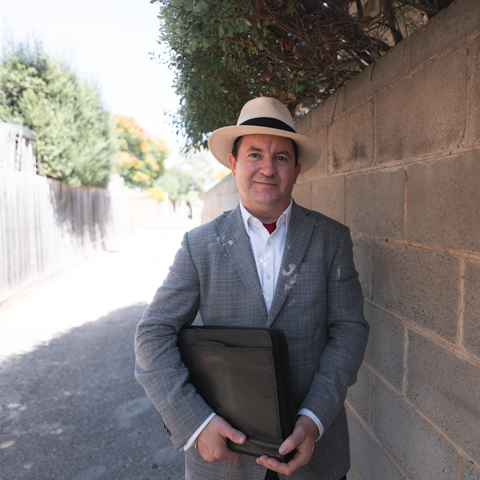
Zac Newbold – Founder & Managing Director – 30+ Years. Real Authority. Proven Results.
Zac Newbold is one of Melbourne’s most experienced Buyer’s Agents and a Fully Licensed Estate Agent since 2001.
With over 30 years inside the property market, Zac has seen exactly how buyers win – and exactly how they get overexposed, overbid, and overpay.
He’s worked across every layer of the industry – residential sales, boutique agencies, large franchise networks, property and asset management, corporate advisory, commercial real estate, and project management. That experience gives him a simple advantage: he knows how every player in the market thinks, moves, and negotiates.
At a certain point, he made a clear decision – stop working the system from all sides, and start working for one side only.
The buyer.
Because that’s where clarity matters. And that’s where deals are actually won.
Today, Zac represents buyers across Melbourne in residential and investment property, using a disciplined, strategy-led approach built on market intelligence, timing, and hard negotiation.
Through Your Australian Property Buyers Agents, Zac and his team give clients a real edge in the market – independent advice, structured strategy, and negotiation that’s designed to protect capital and win the deal.
His philosophy is simple: Treat every purchase like it’s your own money on the line – and never pay more than you have to.
Outside of property, Zac spends time with his wife and family and travels whenever the schedule allows.
If you’re serious about making your next property move, contact Zac Newbold and his team today to organise your confidential and complimentary Property Strategy Session.
Disclaimer
The information provided in this article is general in nature and is intended for educational and informational purposes only. It does not constitute financial, legal, or investment advice and should not be relied upon as such.
All property markets involve risk, and outcomes will vary based on individual circumstances. Readers should conduct their own due diligence and seek independent advice from qualified professionals before making any property or investment decisions.
While every effort has been made to ensure the accuracy of the information at the time of publication, Your Australian Property Buyers Agents makes no guarantees as to its completeness, reliability, or current relevance and accepts no responsibility for any loss or damage arising from reliance on this content.