

Are Your Negotiation Mistakes Costing You Your First Home?
Last Updated: November 5, 2026
Quick Summary
The most common mistakes in first home buyers negotiations come before the first offer is made. Buyers often offer without comparable sales evidence, reveal their budget or urgency too early, and negotiate price while ignoring offer conditions such as finance and building and pest clauses.
- Build every offer from comparable sales evidence, not from the asking price or gut feel.
- Keep your maximum budget and any settlement urgency private during early conversations with the agent.
- Attach finance and building and pest conditions, and match the finance window to your lender’s turnaround.
- Remember that auction contracts are unconditional from the fall of the hammer, with no cooling-off period.
- Set your walk-away price before negotiations begin, and leave if the vendor moves past it.
Table of Contents
- Why Negotiation Mistakes Cost First Home Buyers the Most
- Mistake One: Making an Offer Without Comparable Sales Evidence
- Mistake Two: Revealing Your Budget or Your Urgency Too Early
- Mistake Three: Negotiating Price Alone and Ignoring Offer Conditions
- Mistake Four: Getting the Sequence Wrong Around Inspections and Finance
- Mistake Five: Treating Auction and Private Treaty the Same Way
- Mistake Six: Letting Emotion Override the Walk-Away Point
- Booking Your Strategy Session Before Your Next Offer
- Frequently Asked Questions
Why Negotiation Mistakes Cost First Home Buyers the Most
Negotiation mistakes rarely look like mistakes at the time. A first-home buyer makes a confident offer, the vendor counters, and the deal either lands or collapses.

At Your Australian Property Buyers Agents, we represent buyers only, so we see these errors play out from the buyer’s side of the table.
Here’s the thing most buyers miss. A first-home buyer has less room for error than an experienced investor.
This article walks through six mistakes we see most often, and how to avoid each one.
Mistake One: Making an Offer Without Comparable Sales Evidence
We see this all the time in first-home buyer negotiations. A buyer falls in love with a property, asks the agent what the vendor expects, and then offers a figure that feels reasonable.
Comparable sales are the evidence that keeps an offer honest. A Property Negotiation Service Melbourne can help you build that evidence into a defensible offer before you put pen to paper.
How to avoid it: Build your offer from sales evidence, not from the asking price or your gut. Be ready to explain your figure with two or three comparable sales.
Mistake Two: Revealing Your Budget or Your Urgency Too Early
Here’s where buyers get it wrong. They mention their maximum budget, or say they must settle by a certain date, in the first conversation with the agent. That information becomes the vendor’s negotiating ceiling.
Urgency is a bargaining chip. Once the other side knows you need to buy this month, your leverage shrinks.
How to avoid it: Keep your maximum to yourself. Let the agent know you are serious and ready to move, without disclosing your limit or timing pressure.
Mistake Three: Negotiating Price Alone and Ignoring Offer Conditions
Here’s where buyers get it wrong. A first-home buyer spends a week agonising over whether to offer a round figure or a slightly odd one, then signs a contract with conditions they barely understand. The price is the headline. The conditions are the deal.
In Victoria, a private treaty offer is usually made on a Contract of Sale prepared by the vendor’s conveyancer or solicitor. What sits inside that contract, and what you attach to your offer, determines how much risk you carry after the vendor says yes.
The conditions that actually matter
Finance condition. This gives you a set window to secure unconditional loan approval. Without it, you are contractually bound to settle even if the bank says no.
Building and pest condition. This lets you commission an inspection and walk away, or renegotiate, if the report reveals structural problems, major defects or active termite issues.
Settlement period. A vendor who wants a long settlement may accept a lower price.
Inclusions. Dishwasher, split system, window furnishings, pool equipment, these are specified in the contract.
The trade-off nobody explains
Every condition you add makes your offer slightly less attractive to a vendor who is comparing multiple buyers. That is the real negotiation. A clean, unconditional offer can win against a higher conditional one, which is exactly why some buyers strip conditions they should keep.
Removing a building and pest condition to win a competitive private sale is a gamble that can turn a negotiated saving into a costly repair bill after settlement.
How to negotiate conditions, not just price
Treat the contract as a whole. Before you put anything in writing, know which conditions you genuinely need, which you can shorten, and which you can trade for a better price.
This is where experience matters. Our guide on How to Prepare for a Pre-Purchase Building Inspection explains what to organise before the inspector arrives, and Property Inspection Checklist for Buyers is worth keeping on your phone during inspections.
The conditions you attach to an offer carry as much risk as the price itself, and the table below sets out the main ones as the article describes them.
Condition | What it protects you from | Key point |
|---|---|---|
Finance condition | Being bound to settle without loan approval | Window should match your lender’s turnaround |
Building and pest condition | Hidden structural defects and active termites | Skipping it is an expensive shortcut |
Sale of existing property | Your own sale falling through | Vendors may view it as complicated |
Settlement period | Rushed or delayed settlement | A negotiable term, not a fixed one |
Inclusions | Fixtures removed before settlement | Items must be specified in the contract |
Mistake Four: Getting the Sequence Wrong Around Inspections and Finance
The order of steps matters. Buyers who make offers before their finance is confirmed, or who skip inspections to speed things up, put themselves under pressure at the worst possible moment.
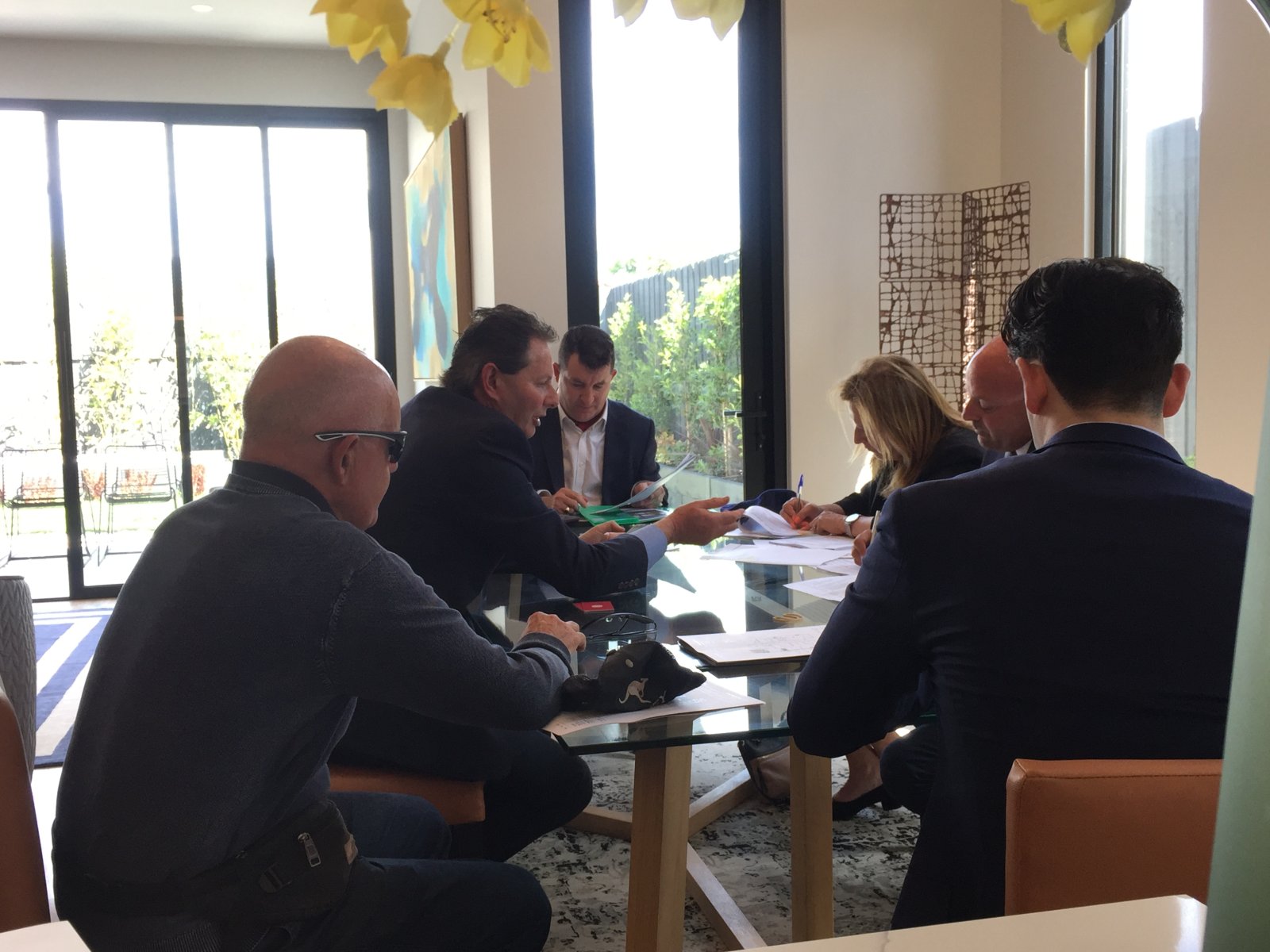
A building inspection before you commit is one of the most valuable protections you can get. Keep a Property Inspection Checklist for Buyers handy when you walk through a home, and if you are still arranging funds, How to Prepare for Your First Home Loan covers the groundwork lenders will look at. For a broader view of the early decisions, First Home Buyer Mistakes to Avoid in 2026 is worth reading before you put anything in writing. If you would rather have someone manage this sequence on your behalf, our Melbourne Home Buyers service is built around exactly this kind of step-by-step preparation.
How to avoid it: Sort out finance pre-approval first, then arrange inspections, then make your offer with appropriate conditions attached.
Mistake Five: Treating Auction and Private Treaty the Same Way
Auction and private treaty are not two versions of the same game. They have different rules, different protections and different failure modes. First-home buyers who bring private treaty habits into an auction room, or auction nerves into a private negotiation, get hurt in predictable ways.
Private treaty: the negotiable path
A private treaty sale is a negotiated sale. You make an offer, the vendor responds, and you work towards agreed terms. Private treaty sales are generally negotiated over several days, which gives buyers time to review the contract and arrange due diligence before committing. Check the current cooling-off position with your conveyancer or solicitor, as the rules have specific exceptions.
Private treaty is also where conditions live. Finance, building and pest, and settlement terms are all negotiable. The trade-off is speed: a vendor comparing offers may favour the cleaner one, so every condition you attach has a cost in competitiveness.
Auction: unconditional from the fall of the hammer
At auction, the contract is unconditional when the hammer falls. No cooling-off. No finance condition. No building and pest condition. If you are the successful bidder and your finance falls over, you are in default, and the consequences can include losing your deposit and facing a damages claim.
That changes the preparation entirely. Before auction day, you need:
- Finance formally approved, not just pre-approved in principle
- Building and pest inspection completed and reviewed
- A contract review by your conveyancer or solicitor
- A verified price ceiling based on comparable sales
- A bidding strategy that accounts for the reserve and the likely competition
For buyers who want that preparation handled properly, our Auction Bidding Service Melbourne is designed to take you through each of these steps and represent you in the room.
How the negotiation actually differs
In private treaty, negotiation is a conversation over days. You can test the vendor’s position, use conditions as leverage and walk away to come back later. At auction, negotiation collapses into minutes. The vendor’s reserve is unknown, the auctioneer controls the pace, and the only lever you have is your bid.
We see this all the time: a buyer who negotiated brilliantly on a private sale freezes at auction because the rhythm is completely different. The bid they planned to make at their ceiling never gets made, or they get carried one bid past it.
The Melbourne context
Auction and private treaty use varies by suburb and property type, so checking which method dominates in the area you are targeting helps you decide which skills to build before you start making offers.
Bidding at auction without a verified ceiling based on comparable sales is one of the easiest ways for a first-home buyer to overpay, because the emotion of the room pushes buyers past their number.
How to avoid it
Decide your maximum before auction day and write it down. Take a support person whose only job is to hold you to it. If you are weighing both methods, How to Avoid Overpaying at a Melbourne Auction in 2026 sets out how to protect yourself in the room, and First Home Buyer Mistakes to Avoid in 2026 covers the broader preparation that sits behind either path.
Mistake Six: Letting Emotion Override the Walk-Away Point
This is the mistake that hurts first home buyers most. You have inspected the property, imagined your life there, and now the negotiation is stalling. Walking away feels like losing.
It isn’t. Not every property deserves an offer, and sometimes the best negotiation result is no deal at all. A property that looks right can still fail when the numbers are tested. The property may look right, but the numbers still need to stack up.
How to avoid it: Set your walk-away price before the negotiation begins, based on comparable sales and your true budget. When the vendor moves past it, leave.
Booking Your Strategy Session Before Your Next Offer
Most buyers only see the visible steps of a purchase. We focus on the work behind them, from the sales evidence behind your offer to the conditions that protect you once it is accepted.
If you are about to negotiate on your first home, the best time to get help is before you make your offer. Book a free strategy call with Your Australian Property Buyers Agents to talk through your budget, the property in front of you, and the negotiation approach that suits your situation.
Frequently Asked Questions
What are the most common mistakes first-home buyers make during negotiations?
The most frequent errors are making an offer without comparable sales evidence, revealing budget or urgency too early, focusing only on price while ignoring conditions such as finance and building inspection clauses, and getting the sequence wrong around inspections. Many first-home buyers also let emotion push them past their walk-away point. Each one is avoidable with preparation, a clear figure set before the first conversation with the selling agent, and a written list of non-negotiable terms.
Should first-home buyers negotiate before or after a building inspection?
Generally, you should make your offer subject to a satisfactory building and pest inspection, arranged before you commit. Negotiating price before the inspection leaves you exposed to defects you have not yet discovered. Once the inspection report is in, you can return to the seller with documented repair costs and ask for a price adjustment or a repair commitment. Your contract conditions should protect your right to make that request.
How do comparable sales help with a property offer?
Comparable sales show what similar properties in the same street or suburb have actually sold for, not what they were listed at. Using recent, verified sales gives you an evidence-based figure to anchor your offer, which is far more persuasive to a selling agent than a gut feeling. In Melbourne, a suburb can shift considerably between streets, so comparables should match on property type, size, condition and location. A strong comparable analysis is one of the most effective tools a buyer can bring to the table.
When should a first-home buyer walk away from a negotiation?
Walk away when the price exceeds the independently assessed value, when the seller refuses reasonable conditions such as finance or inspection clauses, or when the property has defects that cost more to fix than the discount you have won. A walk-away point should be decided before negotiations begin, in writing, and based on your budget and the property’s real value. Walking away is not a failure; it protects your deposit and your finances.
