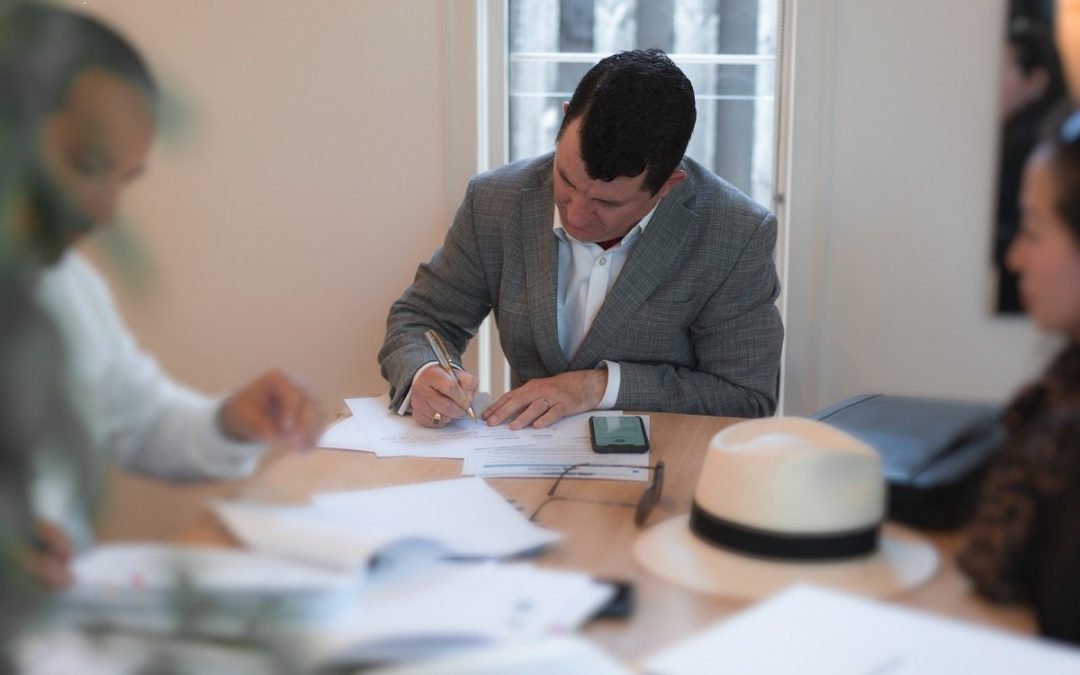
A bidding war is won before the bidding starts. Set a defensible maximum budget built from the bottom up, get your finance and proof of funds in order, and know the true value of the property from comparable sales. Decide your walk-away point in advance, so emotion doesn’t push you past your limit on the day.
Set your purchase-price ceiling from borrowing capacity, verified deposit, transfer costs, legal fees and a repairs buffer.
Stress-test your ceiling against a higher assessment rate and an unexpected first-year repair before you commit.
Have a current pre-approval, proof of deposit and a conveyancer ready so you can respond within hours.
Base your walk-away figure on comparable sales, not the listing price, and name one person to do the bidding.
Ask the agent in writing which sale process applies and whether competing offers are written, unconditional and verifiable.
Why Bidding Wars Are Won Before the Bidding Starts
Most buyers think a bidding war is decided on the day. It isn’t. The buyers who win have usually done their homework weeks earlier, so they know what the property is worth, what they can afford and where they will stop.
42 Exhibition Street Mc Kinnon Auction 037 Blurred
A buyer can fall for a home at the first inspection, then spend the campaign chasing a number they never planned for. If your property has been passed in, our practical auction tips for first home buyers explain how to plan your next move without overpaying.
Buyers who front-load that preparation are in a far stronger position on the day. Facts before photos.
Set Your Maximum Budget Before You Fall in Love With a Property
Set your maximum budget before you see the property. Emotion pushes buyers past their limit, and a bidding war is designed to exploit that. The number you carry into a campaign should be a defensible ceiling, not a hopeful round figure.
Here’s where buyers get it wrong: they set a budget from what a lender says they can borrow, then discover the deposit, transfer costs and repairs leave them with nothing in reserve.
Build the ceiling from the bottom up
Work through the numbers in this order, not the other way around:
Borrowing capacity. Ask your broker for a realistic figure based on the assessment rate the lender actually applies, not the advertised rate. Capacity is a ceiling on borrowing, not a target to spend.
Deposit and genuine savings. Confirm how much of your deposit is verified and accessible, and whether any of it is a gift that needs a statutory declaration.
Transfer costs in Victoria. Land transfer duty varies with the purchase price, the property type and your buyer status. Use the State Revenue Office Victoria duty calculator rather than a rule of thumb, and confirm any concessions you may be eligible for with your conveyancer.
Subtract all of that from your available funds and you have a purchase-price ceiling. Write it down. Share it with your adviser before the campaign opens.
Stress-test the ceiling before you need it
A buyer can be comfortable at the asking price but stretched at the price the property actually sells for.
If the answer to any of those is no, your ceiling is too high, regardless of what the lender will approve.
Watch out: a pre-approval amount is not a spending target. Borrowing to the absolute limit leaves no buffer for a rate change, a repair or a change in circumstances, and that is how buyers end up overcommitted on a property they won by a small margin.
Separate your ceiling from your target
Your ceiling is the most you will pay. Your target is what the property is actually worth based on comparable sales.
A number that looks comfortable on paper can leave no room once costs are added. Write your ceiling down, stress-test it, and treat it as fixed before you set foot in a single inspection.
The ceiling is built from the bottom up, so each cost below comes out of your funds before you reach a purchase-price figure.
Cost or check
What it covers
Note
Borrowing capacity
Realistic figure from broker
Use the assessment rate lenders apply
Deposit and savings
Verified, accessible funds
Gifts may need a statutory declaration
Transfer costs in Victoria
Land transfer duty
Varies with price, property type and buyer status
Legal and due diligence
Conveyancing, title searches, inspections
Paid from your own funds
Repairs and contingency
First twelve months of ownership
Higher on older homes and deferred maintenance
Get Your Finance and Proof of Funds in Order
Sellers take offers seriously when the buyer can settle. Lenders typically issue a pre-approval or formal approval, and that document signals you are ready to act.
A current pre-approval for the amount you plan to offer
Proof of your deposit and savings, ready to share with the agent
Your solicitor or conveyancer lined up for a fast contract review
A clean, prepared file lets you respond within hours instead of days. In a competitive campaign, that speed can matter as much as the price.
Melbourne Auction Bidding Strategy: Setting Your Walk-Away Point
Auctions create the most pressure in a bidding war. The room is loud, the clock is ticking and the next bid feels small. That is exactly when buyers overpay.
Set your walk-away point before you walk in. Write the figure down and treat it as a hard limit. If the bidding goes past it, you stop, whatever the property means to you.
Here’s how to plan it:
Set your walk-away figure from your comparable sales, not the listing price
Decide your bid increments in advance
Name one person to bid, so emotions don’t run the process
Comparable Property Sales Melbourne: Knowing What a Property Is Really Worth
The listing price is a marketing number. It tells you what the seller hopes to get, not what the property is worth.
42 Exhibition Street Mc Kinnon Auction 003
Look for recent sales of similar properties, in the same street or suburb where possible. Compare:
Land size and building size
Condition and renovation level
Position, street appeal and outlook
Here’s where buyers get it wrong: they compare against the highest sale they can find, not the most similar one. Be honest about the differences.
This is how you avoid overpaying. When you know the real value, you can make an offer with confidence and walk away calmly if the price runs past it.
Property Due Diligence Melbourne: What to Check Before You Bid
Not every property deserves an offer. Due diligence tells you which ones do, and it should happen before you bid, not after. In a competitive campaign, it also tells you how hard you can push without taking on risk you don’t understand.
The property checks that change your number
Start with the basics, then go deeper on anything that affects value or future use:
Title and encumbrances. Easements, covenants and caveats can restrict what you build, where you build it and how you access the site. Your conveyancer should review the title before you offer, not after.
Planning and zoning. Check the planning scheme and any overlays through the relevant council. Heritage overlays, bushfire management overlays and flood overlays all change what you can do with a property and what it costs to insure.
Building and pest inspection. A building report is not a formality. On older Melbourne homes, rising damp, stumps, roof condition and illegal renovations are common findings that move the numbers materially.
What most buyers don’t see is how often a problem only appears in the paperwork. A property that looks right can still carry a cost that changes the numbers. The property may look right. The numbers still need to stack up.
Understand the process you are bidding into
Competitive sales in Melbourne do not all run the same way, and the process changes what preparation you need:
Auction. The property is offered publicly, the reserve is set by the seller, and if it passes in you may have a chance to negotiate afterwards. Bidders need finance and due diligence done before the day, because a successful bid is unconditional.
Private treaty. You make a written offer, often with conditions such as finance and building and pest. The agent may invite multiple parties to improve their offers.
Best-and-final or sealed offers. The agent sets a deadline and asks every interested party to submit their highest and best offer in writing, usually without seeing the others. There is no second chance to improve, so your number and your conditions both need to be right the first time.
Ask the agent, in writing, which process applies, what the deadline is and whether the seller will consider conditions. The answer shapes how you prepare.
Don’t take competing-offer claims at face value
This is the gap most guides skip.
You cannot verify what other buyers have offered, and you should not try to. What you can do is ask questions that force specifics:
Is the other offer written or verbal?
Is it subject to finance, building and pest, or is it unconditional?
Has the seller countered it, or accepted it subject to contract?
A verbal offer with no paperwork behind it carries far less weight than an unconditional written offer. Knowing the difference stops you bidding against a number that may not exist.
Watch out: the strongest position is not always the highest price. A slightly lower offer with a clean file, a flexible settlement and no conditions can beat a higher offer that carries risk.
Be careful about waiving protections
Be cautious about waiving protections to look stronger. Skipping an inspection or a search to win a bidding war can leave you carrying the risk, and in Victoria a building or pest issue found after settlement is yours to fix.
This is where the deal can change. Due diligence is not the box you tick to get to the bid.
What to Do When a Property Is Passed In at Auction
A passed-in property isn’t a dead end. It often means the seller hasn’t reached their reserve, and the deal can change quickly.
Your options usually include:
Waiting to see if the agent contacts you after the auction
Making a considered offer based on your comparable sales
Holding your walk-away point, even if the seller seems keen
This is where the deal can change. Passed-in sellers are sometimes more flexible, and a clear, fast offer backed by finance is easier to take seriously. Don’t rush in with an emotional number. Decide your position first, then act.
Booking Your Strategy Session Before the Next Campaign Opens
Most buyers only see the five steps in front of them: inspections, offers, negotiation, contracts and settlement. We control the other thirty, from budgeting and valuation to due diligence and walk-away planning. The difference happens behind the scenes.
If you’re about to enter a competitive campaign, book a strategy session before you commit to a number.
Our property negotiation service in Melbourne covers the next step once you’ve found the right property. Book your free strategy call to start preparing before the campaign opens.
Frequently Asked Questions
How do you prepare for a property bidding war?
Preparation starts before you inspect. Work out your total budget including stamp duty, legal costs and inspection fees, then confirm your finance with a written pre-approval. Pull recent comparable sales for the street and suburb so you know what similar homes have actually sold for, not what agents are advertising. Decide your walk-away figure in writing before the campaign starts, and arrange your solicitor or conveyancer so you can move quickly when the offer is made. Buyers who do this are calm on the day, and calm buyers avoid the emotional overbidding that drives most bidding wars off track.
How do you set a maximum bid before an auction?
Start with your total purchase budget and subtract the costs that sit on top of the sale price, such as stamp duty, conveyancing, building and pest inspections, and loan establishment fees. What remains is your realistic maximum bid. Then test that number against comparable sales in the area. If recent sales of similar properties suggest the market sits below your ceiling, you have room to hold back. If the market sits above it, the honest answer is that you may need to walk away. Write the number down before auction day and tell your advocate or a trusted person so you have a second voice when the bidding climbs.
Should you get finance pre-approval before bidding on a property?
Yes. A pre-approval shows the seller and their agent that you can settle, which matters when several buyers are competing. It also tells you the exact amount you can borrow, so you are not discovering your limit in the middle of the campaign. Ask your lender to confirm the approval covers the property type and purchase price you are targeting, including investment loans if you are an investor. Keep the approval current, as most lenders set a validity period, and be aware that a pre-approval is not an unconditional commitment until the loan is formally approved against the specific property.
What due diligence should you complete before making a competitive offer?
Before you bid, check the title and any registered easements, review the council planning and zoning information, obtain a building and pest inspection, and confirm any owners corporation records if the property is in a strata scheme. Look at the property’s history and recent sales in the immediate area. Be careful about waiving protections to make your offer look stronger. Removing a building inspection or a finance condition can add risk that costs far more than the advantage it buys. If you do waive a condition, make that decision deliberately with your advisers, not because the agent has suggested it will win the property.
If a building inspection finds major defects, you still have options, but you must act within your contract deadlines. Major defects are faults affecting a property’s structure, safety or long-term value, so verify them with a specialist, obtain written repair quotes and then decide whether to negotiate, wait or walk away.
Read the full report and note every item the inspector marked as major.
Check your contract conditions and deadlines before taking any other step.
Get a specialist report where the defect involves structure, safety or water ingress.
Obtain at least two or three written quotes scoped to the same description of work.
Not every property deserves an offer, and sometimes walking away is the best advice.
If a building inspection turns up a major defect, your offer is not dead, but you need to act fast and stay in control. Major defects are the single biggest reason a Melbourne purchase goes sideways after the contract is signed. Knowing your options before the report lands separates the buyer who negotiates a sensible outcome from the one who panics and overpays.
What Counts as a Major Defect in a Building Inspection
A major defect is a fault that affects the structure, safety or long-term value of a property, more than a cosmetic problem or maintenance item. Inspectors use the term to flag issues that could be costly to fix and that a buyer would not reasonably accept without a change to price or conditions.
How to Negotiate a Lower House Price in Melbourne
Major defects usually fall into a few groups:
Structural problems: foundation movement, sagging floors, failing footings
Water issues: roof leaks, rising damp, moisture ingress
Safety concerns: unsafe wiring, a failing staircase, a dangerous balcony
Examples: cracking, movement, roof leaks and water damage
Not every crack is a problem. If you’re unsure how to separate serious findings from routine notes in a dense report, this guide walks through it. Hairline plaster cracks are usually cosmetic.
A buyer may spot a crack and assume the worst, or dismiss one that deserves a closer look. A rough guide:
Stepped cracks in brickwork, or cracks wider than a few millimetres, can signal foundation movement
Doors and windows that stick may point to structural shift
Water stains on ceilings often mean an active roof leak, not an old one
A competent inspector will describe what they see, but they cannot always tell you the cause. That is when a specialist assessment, such as from a structural engineer, becomes essential before you commit.
Major versus minor defects: where buyers get it wrong
This is where most buyers stumble. A minor defect, like a dripping tap or worn carpet, is a negotiation point at best. A major defect can change the whole deal.
A serious structural issue can be mistaken for a minor fix when the vendor describes it as “just cosmetic.” Verify the severity independently, and ask the inspector to explain the likely cause and scope of repair.
What to Do After a Failed Building Inspection
A failed inspection is not a failed purchase, it is a signal to pause and decide on facts. Before your next purchase, see how to prepare properly for a pre-purchase building inspection so you avoid another major defect surprise.
Do not panic and do not ignore it. Work through these steps:
Read the full report, not just the summary. Note every item the inspector marked as major.
Get a second opinion from a qualified specialist if the issue is structural or unclear.
Obtain repair quotes from licensed tradespeople so you know the real cost.
The right move depends on the cost, the risk and what the vendor is willing to do. Buyers who rush this stage tend to pay more than they should.
Once the report lands, work through these steps in order so you decide on facts rather than panic.
Step
What to do
Time or frequency
Read the report
Read the full report, not just the summary, and note every major item
Straight away
Get a second opinion
Consult a qualified specialist if the issue is structural or unclear
Before you respond
Obtain repair quotes
Get quotes from licensed tradespeople to learn the real cost
Within your contract window
Check contract conditions
Review the inspection clause and other conditions before acting
Before any other step
Decide your position
Request repairs, negotiate the price or walk away
Before contract deadlines
Checking Your Contract: Cooling-Off Period and Inspection Clause Deadlines
Your contract is your protection, and its deadlines are strict. But here’s what most buyers don’t see: your options are not the same at every stage of the deal. The advice from a friend who bought last year may be completely wrong for where you sit right now.
Work out which stage you are in before you do anything else.
Stage 1: Before you sign
This is the strongest position you will ever have. You can walk away for any reason, or no reason, and it costs you nothing but time.
Get the inspection done before you sign wherever possible, especially on older Melbourne stock, period homes in the inner north and east, and 1960s-1970s brick veneer in the middle ring, are where structural surprises live.
Read the contract before the inspection lands, not after. Know whether it is a standard form with a building inspection clause, or a vendor-drafted contract where that clause has been removed.
Ask your conveyancer to flag every condition and deadline in writing, with dates, before you sign anything.
A private sale contract can be presented as “standard” when the building inspection clause has been struck out. If you sign without checking, you may have no contractual right to act on a bad report.
Stage 2: During a conditional period or cooling-off
This is where most of the money is won and lost, and where deadlines are unforgiving.
The cooling-off period gives you a short window to change your mind after signing. In Victoria, a standard contract of sale for residential property typically includes a cooling-off period, but the length and any exceptions (for example, purchases at auction or certain off-the-plan arrangements) must be confirmed for your specific contract. Consumer Affairs Victoria publishes current guidance, read it, then confirm with your conveyancer.
A building inspection clause usually lets you terminate, renegotiate or require repairs if the report is unsatisfactory, but only if you act within the stated time. The clause often requires written notice, not a phone call to the agent.
Finance and other conditions run on their own clocks. A building inspection deadline and a finance deadline can fall on different days, and missing either can cost you your deposit or your right to exit.
A practical checklist for this stage:
Diarise every deadline the day you sign, with a reminder several days before each one.
Confirm in writing with your conveyancer what notice is required and to whom.
Keep every email, text and letter with the agent, vendor and inspector in one folder.
Do not rely on a verbal assurance from the agent that “the vendor will fix it”, get it in the contract or in writing.
Stage 3: After the conditional period ends or after settlement
Once the conditional period has passed, or once you have settled, your leverage changes completely.
Statutory warranties may apply to certain residential building work under Victorian domestic building law, but they depend on the age of the work, who did it and whether a permit was required. Confirm the position with your conveyancer or legal adviser.
Building permits and occupancy certificates can be checked with the relevant council. Unpermitted work is a common and expensive discovery.
Insurance may or may not respond to a defect discovered after settlement. Check the policy wording before you assume you are covered.
The time to use your leverage is before the conditional period closes, not after. Once settlement has passed, the same options generally no longer apply.
Rules, deadlines and clause wording change, and they differ between contracts. Always confirm the current position for your specific contract with your conveyancer or solicitor before you act.
A negotiation built on a one-line summary from the inspector and a guess at the repair cost is easily picked apart. Our Property Negotiation Service Melbourne is built around putting that evidence and process in place before the first offer goes in.
Step 1: Verify and scope the defect before you negotiate
An inspection report describes symptoms. It is not a repair specification and not a quote. Before you put a number to the vendor, you need to know what you are actually dealing with.
Separate observed symptoms from confirmed structural issues. A crack is a symptom. Foundation movement is a diagnosis. Only a specialist, usually a structural engineer for footings, load-bearing walls and roof structure, can confirm the cause and extent.
Ask the inspector to clarify anything vague in the report, in writing, before you rely on it.
Get a specialist report where the defect involves structure, safety or water ingress. This costs money, but it is the difference between a negotiation built on evidence and one built on guesswork.
Step 2: Build a cost picture from comparable written quotes
Do not treat the inspector’s estimate as the repair cost. Get at least two, ideally three, written quotes from licensed tradespeople, each scoped to the same description of work so they can be compared.
Scope the work in writing and give the same brief to every tradesperson.
Allow for further investigation. Structural repairs often reveal more once walls are opened. A quote that assumes the best case is not a reliable basis for negotiation.
Separate immediate safety work from longer-term rectification. The vendor may agree to one and not the other.
Watch out: a single cheap quote is not evidence. Vendors and their agents know a low quote when they see one, and it undermines your credibility for the rest of the negotiation.
Step 3: Compare the property to recent sales in its current condition
This is where comparable sales data matters most. A vendor is more likely to accept a reduction when you can show, with evidence, what similar homes in the area have sold for in comparable condition. Our Property Due Diligence work covers this kind of sales analysis in detail.
Use like-for-like sales, same suburb, similar land size, similar age and condition, recent enough to be relevant.
Adjust for condition, not just location. A renovated comparable is not the same as a home with a structural defect.
Present the evidence clearly, not as a demand. A short, reasoned summary beats a long argument.
Step 4: Run the negotiation as a documented process
The buyer who controls the paperwork controls the outcome.
Put your position in writing to the agent, with the defect, the specialist findings, the quotes and the adjustment you are seeking.
Offer options, a price reduction, a repair allowance or a credit at settlement, so the vendor has a path to yes.
Set a clear response deadline that sits inside your contract deadlines, not outside them.
Keep a record of every communication: date, time, who said what, and what was agreed.
Get any agreement varied into the contract by your conveyancer, not left as a verbal promise.
Sample questions to put to the agent in writing:
“Has the vendor obtained their own specialist report on this defect? Can it be provided?”
“Will the vendor consider a repair allowance at settlement rather than a price reduction?”
“What is the vendor’s position on completing the works before settlement, with evidence of completion?”
Step 5: Decide when to negotiate hard, wait or walk away
The property may look right. The numbers still need to stack up.
Negotiate hard when the defect is significant, the repair cost is clear and evidenced, and the property still makes sense at a lower price.
Wait when you need a specialist report or a clearer quote before you commit to a position, but only if your contract deadlines allow it.
Walk away when the cost, the risk or the uncertainty outweighs the value of the property.
Not every property deserves an offer. Sometimes the best advice is to walk away, and that decision protects far more money than a clever negotiation ever will.
A short hypothetical example: a buyer receives a report flagging stepped brickwork cracking and a sagging floor in an older inner-north home.
Getting a Second Opinion on a Major Defect
A second opinion protects you from two mistakes: overreacting to a problem that is less serious than it looks, or underreacting to one that is far worse.
Benefits of Using a Buyers Agent for First Home Buyers
Consider a second opinion when:
The inspector’s report is vague about the cause or extent of the defect
The estimated repair cost varies widely between quotes
The defect involves the foundations, footings, load-bearing walls or the roof structure
A structural engineer is usually the right specialist for foundation and cracking concerns. Their report gives you a far clearer picture of what the defect means, and stronger ground in any negotiation.
Risk vs. Strategy: When to Negotiate Hard, Wait or Walk Away
The property may look right. The numbers still need to stack up.
Every major defect forces one of three decisions:
Negotiate hard when the defect is significant, the repair cost is clear, and the property still makes sense at a lower price.
Wait when you need more information, such as a specialist report or a clearer repair quote, before you commit to a position.
Walk away when the cost, the risk or the uncertainty outweighs the value of the property.
Not every property deserves an offer. Sometimes the best advice is to walk away, and that decision protects far more money than a clever negotiation ever will.
Booking Your Strategy Session Before You Make the Next Move
If you have received a building inspection report that flags major defects, the next decision matters. Getting independent, experienced advice at this stage can protect your deposit, your budget and your position.
At Your Australian Property Buyers Agents, we represent the buyer only.
BOOK A FREE STRATEGY CALL and let us help you decide whether to negotiate, wait or walk away.
Frequently Asked Questions
What should I do if a building inspection finds major defects?
Don’t panic and don’t sign anything yet. Read the full report, separate the genuine structural or water-related issues from cosmetic wear, and get quotes from licensed trades for the items that worry you. Then decide whether to request repairs, negotiate a lower price, or withdraw from the contract within the time frames set by your contract. Acting within those deadlines is what keeps your options open, so check them the day the report lands.
Can I pull out of a property purchase after a building inspection?
Often yes, but only if your contract includes a building inspection clause and you act before it expires. In Victoria, most residential contracts sold through a private treaty include a finance and building inspection condition, and a satisfactory report or a notice in time lets you withdraw. Once that condition lapses or you waive it, walking away can cost you the deposit, so speak to a conveyancer before the deadline.
Can I negotiate the purchase price after a building inspection?
Yes, and this is one of the most common outcomes when a report flags serious issues. Use the inspector’s findings and the repair quotes to put a dollar figure on the work, then ask for a reduction that covers the repairs plus a margin for risk. Comparable sales in the area show whether the asking price already reflects the condition, so bring that evidence into the conversation rather than negotiating on feel.
How do I get a second opinion on a major building defect?
Engage a different licensed building inspector, or where the issue is structural such as footings, significant cracking or movement, a structural engineer. Ask for a written scope and an independent assessment of the same defect. A second opinion can confirm the severity, reduce the risk of overestimating repair costs, or reveal that the first report overstated the problem, which strengthens your negotiating position either way.
The best Melbourne buyers agent for downsizers is one who starts with how you live, not what you can spend, and who checks liveability, accessibility and running costs before any offer. Look for independence, experience coordinating your sale with your purchase, and a written scope of work with fees explained up front.
Ask how you live first; a good agent starts with your brief, not your budget.
Why Downsizers Need a Different Kind of Buyers Agent
Downsizing looks simple on paper. Sell the family home, buy something smaller, and move on.
Hiring a Buyers Agent for Interstate Relocation: 2026 Guide
Here is where it gets tricky. Downsizers have different priorities from many buyers: liveability, accessibility, low maintenance, and a home that still works in twenty years.
A common scenario is a downsizer falling for a stunning apartment, only to discover the body corporate levies are high, the lift is old, and a major capital works bill may be looming.
What to Look for in a Buyers Agent When You Are Downsizing
Downsizers sit in a different lane from investors chasing yield or first-home buyers chasing a deposit. The brief is not “find me a good investment”, it is “find me a home that still works when I am eighty, that I can maintain without a handyman on speed dial, and that sits close enough to the people and services I actually use.”
That is why the best Melbourne buyers agent for downsizers will spend the first meeting asking about how you live, not what you can spend. Here is a useful comparison framework for downsizers.
The downsizer-specific comparison criteria
Compare any agent you interview against these points, not against their marketing brochure.
Accessibility experience. Have they assessed step-free entry, bathroom access, doorway widths, lift reliability and corridor turning circles before? A stunning apartment with a beautiful view but a narrow stairwell and no lift is not a downsizer home, it is a future problem.
Single-level and low-maintenance living. Can they talk you through the practical difference between a single-level townhouse in a leafy pocket and a two-bedroom apartment with a lift and a caretaker? Both work for some downsizers and fail for others.
Ongoing costs and strata obligations. Do they read owners corporation records, sinking fund balances, special levy history and building defect reports as a matter of course? This is an area where downsizers can run into trouble.
Proximity to services. Can they map a property against walkability to shops, public transport, GPs, hospitals and pharmacies, not just the nearest café?
Sale-and-purchase coordination. Have they managed a purchase alongside the sale of the family home, including timing, conditional offers and temporary accommodation?
Suburb and property-type fit. Do they understand which Melbourne suburbs and housing types genuinely suit later-life needs, walkable village strips, tram and train access, low-rise apartment stock, well-run older buildings?
Questions to ask before you engage anyone
Ask these directly and listen for specifics, not generalities.
Can you walk me through a downsizer purchase you have handled in the last twelve months, without naming the client?
How do you assess liveability, not just resale value?
Will you review the owners corporation records, building condition and cladding status before I make an offer?
How do you coordinate with my selling agent, conveyancer and financial adviser?
What happens if the right property does not appear in my timeframe?
Can you show me a written scope of work and fee before I sign?
Watch out: an agent who answers every question with “yes, of course” and never pushes back on your brief is usually telling you what you want to hear. The good ones will tell you when a property does not suit you, even when you love it.
The sale-and-purchase coordination question
This is the piece most downsizers underestimate. You are not just buying, you are usually selling the family home at the same time, and the two transactions have to line up.
A buyers agent who has done this before will talk you through the sequencing: whether to sell first and rent back, whether to make a conditional offer subject to the sale of your existing home, how to negotiate a longer settlement, and what temporary accommodation actually costs in the gap.
If an agent cannot explain those trade-offs clearly, they are not the right fit for a downsizer brief.
What independence actually looks like
Independence matters. A buyers agent should act only for you and have no financial interest in which property you choose or which selling agent you deal with. Ask how they are remunerated, whether they receive any referral fees or incentives from developers or selling agencies, and whether they will put that in writing. If the answer is vague, consider looking elsewhere.
Buy Before You Sell Property: Managing the Timing Risk
Many downsizers want to buy before they sell. That feels safer, but it creates a timing risk. If you commit to a purchase before your current home sells, you can end up carrying two mortgages or rushing a sale at a weaker price.
The sensible approach is to set clear conditions in your offer, such as a finance or sale-of-existing-home clause, where the market and the seller allow it. A good agent will negotiate those terms for you and explain the trade-offs.
Buyers Agent Fees and Services: What You Actually Pay For
Fees vary across the Melbourne market, and cheap fees should not be the main reason to choose an agent. What matters is what the fee actually covers, and what it quietly does not.
Before you sign anything, ask for a written scope of work that lists every service included, every service excluded, and what happens if no purchase proceeds. If an agent cannot produce that in writing, that tells you something.
What a full-service engagement should include
A properly scoped downsizer engagement typically covers:
Brief development. Sitting down with you to define the property type, suburb shortlist, accessibility needs, budget and timing.
Search and shortlisting. Active searching, including Off-Market Properties Melbourne, plus filtering out the ones that do not meet the brief.
Property assessment. Inspecting properties on your behalf, reviewing floor plans, orientation, building condition and owners corporation records.
Due diligence coordination. Arranging and reviewing building and pest inspections, strata reports, title searches and cladding checks.
Comparable sales analysis. Building the evidence base that tells you what the property is actually worth, not what the agent hopes you will pay.
Negotiation. Negotiation, including conditions, settlement terms and price.
Auction bidding. Bidding on your behalf at auction.
Fixed fee versus percentage fee, the real trade-offs
Both models are common in Melbourne. Neither is inherently better. What matters is how each aligns with your interests.
Fee model
What it gives you
What to watch
Fixed fee
Cost certainty from day one
Check exactly what is included, some fixed fees cover search only, not negotiation or auction bidding
Percentage fee
Agent’s payment scales with the purchase price
Can create an incentive to nudge you towards a higher price; ask how the percentage is calculated and on what base
Auction-only or negotiation-only
Lower cost if you have already found the property
You carry the search and assessment risk yourself
Tiered or hybrid
Blends a base fee with a success component
Read the success trigger carefully, is it exchange, settlement, or something else?
Questions that expose the real cost
Ask every agent you interview these questions, and get the answers in writing:
Is the fee payable on exchange or on settlement?
What happens if I buy a property you did not source?
Are building and pest inspections, strata reports and title searches included, or billed separately?
Is there a fee if I walk away and buy nothing?
Are there any referral fees, commissions or incentives you receive from selling agents, developers or other parties?
What is the notice period if I want to end the engagement?
Watch out: the headline fee is rarely the full cost. Inspections, strata reports, legal review and auction bidding can each sit inside or outside the quoted number. Compare total cost against total scope, not one line against another.
Why we do not lead with price
Our fees reflect the work involved in securing the right property at the right price. We explain them clearly before any engagement begins, and we put the scope in writing.
Downsizing Property Checklist: Criteria Beyond the Floor Plan
A downsizing property has to work for the next twenty years, not just the next inspection. Use this checklist:
42 Exhibition Street Mc Kinnon Auction 043 Blurred Square
Single-level living or a lift that is reliable and well maintained
Step-free entry and bathroom access
Walking distance to shops, transport and medical services
Low-maintenance outdoor space
Storage that suits your possessions
Body corporate records showing sound finances and planned works
Natural light and good ventilation
The floor plan is only the starting point. Suburb, building age and running costs often decide whether a home is a good fit.
Melbourne Apartment Due Diligence: What Most Buyers Overlook
Apartments are a common downsizing choice, and they carry risks that houses do not. Look beyond the photos and the view.
What most buyers don’t see is the state of the building’s sinking fund, the age of major components like lifts, roofs and external cladding, and any pending special levies.
This is where the deal can change. A property that looks like a bargain may come with a bill that wipes out the saving.
Booking Your First Strategy Session
Downsizing well is about what you avoid as much as what you buy. If you are weighing up a purchase, a strategy session is the logical next step. We will talk through your goals, timing, budget and the kind of property that will suit you for the long term, and tell you honestly whether we think a purchase makes sense now.
Your Australian Property Buyers Agents represents you as the buyer, with 30+ years of Melbourne property experience behind every decision. Book a free strategy call to start the conversation.
Frequently Asked Questions
What does a buyers agent do for downsizers?
A buyers agent represents you alone, not the selling agent. For downsizers, that means building a brief around lifestyle needs such as single-level living, low maintenance, access to transport and medical services, and a realistic budget after the sale of the current home. The agent shortlists properties, inspects them, reviews contracts with your solicitor or conveyancer, researches recent comparable sales and negotiates the price and conditions on your behalf. Because you are often selling at the same time, a good agent also helps coordinate timing so the purchase and settlement dates line up with the sale.
Can a buyers agent help me buy before I sell my current home?
Yes, and this is one of the most practical services a buyers agent can offer a downsizer. Buying before you sell creates the risk of carrying two properties at once, while selling first can leave you rushing to find a home under pressure. A buyers agent can help you assess whether a bridging arrangement or a conditional contract makes sense, identify properties that will still suit you if the sale takes longer, and negotiate settlement dates that give you room. Always confirm the financial and contractual details with your solicitor or conveyancer before committing.
How do I choose a buyers agent when downsizing?
Start by asking whether the agent has experience with downsizers and owner-occupiers, not only investors. Check how they research value using recent comparable sales, how they assess the property beyond the photos, and whether they are independent of selling agents. Ask for a clear, written fee structure and what it includes, and ask how they handle the timing of your sale and purchase. A good buyers agent will be happy to explain their process and will tell you when a property is not worth pursuing.
Is it worth using a buyers agent to downsize?
It depends on your priorities. Downsizing often involves a major financial decision at a stage of life when you may want less stress, not more. A buyers agent can save you time, reduce the risk of overpaying and help you avoid properties with hidden issues such as strata problems or poor maintenance histories. Whether the fee is justified comes down to what you would otherwise spend in time, emotional energy and the risk of a costly error. Ask any provider to show you exactly what is included before you decide.
Read the summary page first, then the scope and limitations section, then each defect in full. A property inspection report flags the major and safety-related defects, shows what could not be checked, and recommends specialist referrals, which should be booked before you commit to an offer.
Note every major or safety-related defect on the summary page first.
Check the scope section for inaccessible areas, such as sealed subfloors or roof cavities.
Treat specialist referrals as a prompt to investigate, not an automatic reason to walk away.
Get written trade quotes for the top two or three issues before negotiating.
Book the inspection early in the contract condition period, not in its final days.
Not sure what your inspection report means?Your Australian Property Buyers Agents reads reports and negotiates on your behalf.
Why a Property Inspection Matters Before You Commit
A property inspection is the cheapest way to find out what you are really buying. Most buyers fall for the kitchen, the light and the back garden, then discover the cracked slab, subfloor damp or a roof needing replacement within two years.
42 Exhibition Street Mc Kinnon Auction 001 Blurred Square
Facts before photos. A report tells you what the listing photos never will.
Treat the inspection as due diligence, not a formality. It shapes three decisions: whether to offer, how much to offer, and what to ask the seller to fix or adjust.
Walk away: serious structural or safety defects that cost more than the property is worth to you
Negotiate: repairable defects that justify a lower price or a request for repairs
Proceed: a clean or minor-issue report that lets you buy with confidence
What a Building Inspection Covers, and What It Does Not
A building inspection is a visual assessment of the accessible parts of a property. The inspector looks at the structure, roof, walls, floors, drainage and moisture, then records defects in a written report with photographs.
It does not cover everything. Sealed subfloors, roof cavities without a ladder or rooms full of furniture may go unchecked.
Watch out: a clean report is not a guarantee. It reflects what was visible on the day, not hidden services or future performance.
Building and Pest Inspection: Knowing Which You Need
Many buyers hear “building and pest” and assume one report covers both. Often it does, but the scope differs. A building inspection focuses on structure and construction. A pest inspection looks for termite activity and timber pest damage.
Ask whether the pest component is included, and whether it covers the whole property or only the main dwelling. If you are unsure how to prepare before booking, learn how to prepare for a pre-purchase building inspection so you get the most from the visit.
Building only: structure, roof, walls, drainage, moisture
Pest only: termites, borers and other timber pest activity
Combined: both, usually at a lower total cost than two separate visits
If you are buying an older home or one on a sloping block, a combined report is usually the safer choice.
How to Read a Building Inspection Report Step by Step
A report can run 40 pages or more, and most buyers read the summary and stop. That is where the money is lost. The summary tells you what the inspector thought mattered; the detail tells you why, where and what it takes to fix. Read it in this order.
Start with the summary page. Note every defect rated major or safety-related, these are your headline issues.
Check the scope and limitations section. Find out what could not be inspected and why. A sealed subfloor, an inaccessible roof cavity, a room packed with furniture, each is a blind spot you are accepting.
Read each defect entry in full. Look at the photograph, location, description and recommendation together.
Note every recommendation for further specialist assessment. Structural engineer, pest controller, plumber, electrician, these referrals flag the costliest problems.
Compare findings against your own walk-through notes. Anything the report missed is worth raising with the inspector.
Here is a simple way to keep track as you read:
Step
What to look for
What to do next
Summary
Major and safety defects
Flag for discussion and negotiation
Scope
Inaccessible areas and reasons
Ask about access and whether a re-inspection is possible
Defect entries
Location, severity, photograph
Note repair likelihood and who fixes it
Specialist referrals
Engineer, pest, plumbing, electrical
Book before you offer or before conditions lapse
Your notes
Anything the report missed
Ask the inspector directly
Translating Report Language into Plain English
Inspection reports are written defensively, and the wording matters. Here is how to read the phrases you will see most often.
“Monitor”, something that is not yet a defect but could become one. Ask: monitor what, how often, and what would trigger action?
“Further investigation recommended”, the inspector could not determine cause or extent visually. Book a specialist; it is not a reason to walk away on its own.
“Evidence of”, signs were seen but the mechanism is unconfirmed. “Evidence of damp” means moisture is present, not whether it is a failed membrane, leaking pipe or rising damp.
Ask the inspector to walk you through the report in plain language and tell you which items they would prioritise if it were their purchase. If they cannot, that tells you something too.
Sorting Defects by Severity, Urgency and Likely Cost
Not every defect deserves the same weight, and treating them all equally is how buyers either overpay or walk away from good property. Sort them into three groups:
Severity: does it affect safety or structure, or is it cosmetic?
Urgency: does it need fixing now, within a year, or at some later point?
Likely cost: is it a minor repair, a moderate job, or a major expense?
A cracked tile is cosmetic and cheap. Active water entry into a wall cavity is urgent and can be expensive. Put the urgent, costly items at the top of your list.
A practical triage looks like this:
Priority
Typical examples
Action
Safety-critical
Structural movement, failed balustrades, exposed wiring, gas or asbestos concerns
Specialist assessment before proceeding; may be a deal-breaker
Urgent and costly
Active water ingress, failed roof covering, significant timber pest damage
Get trade quotes; use in negotiation
Deferred maintenance
Worn gutters, tired paintwork, older fittings
Price into your offer, not a reason to walk
Cosmetic
Cracked tiles, scuffed floors, dated finishes
Ignore for negotiation purposes
Watch out: the inspector’s cost estimates are broad ranges, not quotes. Get a written trade quote for any major item before you rely on the number in a negotiation.
An Annotated Example of How Findings Drive a Decision
The following is a hypothetical example, not a real client or property.
A buyer is considering a period home in an inner-north suburb.
The right move is to book the engineer before deciding. The engineer finds the extension is sound but the damp is from a failed subfloor ventilation system.
The lesson: a specialist referral is a prompt to investigate, not a verdict.
Building Inspection Report Checklist: What to Check Before Acting
Before you make an offer or sign a contract, confirm the following:
42 Exhibition Street Mc Kinnon Auction 036 Blurred Square
Summary of major defects reviewed
Scope and inaccessible areas understood
Specialist referrals identified and booked
Check the report’s date too. If the inspection was done some time ago, the property may have changed.
Property Inspection Checklist for Buyers: Questions for Your Inspector
Which defects need a specialist, such as a structural engineer?
Ask for clarification on any finding you do not understand. Vague wording like “monitor” or “further investigation” should always lead to a direct question: monitor what, and how often?
Booking Your Inspection and Acting on the Findings
Booking an inspection is more than a single step. The timing of an inspection relative to your contract, cooling-off period and finance approval is where buyers can lose protection.
When to Book Relative to the Purchase Process
The right timing depends on how you are buying.
Private sale, before you offer: book before you put anything in writing. You get the findings before you are committed, the strongest position.
Auction: the inspection must be done before auction day, because auction purchases generally carry no condition period to fall back on. Bidding without one is a decision to buy blind. If you are bidding at auction, our Auction Bidding Service Melbourne can help you plan around that timing.
Off-market: the same logic as a private sale applies, but timelines can be tighter because the vendor may want a fast, clean contract. Book the inspection the moment you are seriously interested, not after you have negotiated. Buyers sourcing these homes can explore Off-Market Properties Melbourne to get in early.
A common pattern is buyers booking the inspection late in the condition window, then discovering a specialist is needed and running out of time. Book it early in that window, not the last days.
Connecting the Report to Your Contract Conditions
An inspection report is only useful if you can act on it within the contract. Before you sign, confirm three things:
What the inspection condition actually says. Some contracts include a building and pest condition; some do not. If it is not there, you may be buying without the right to exit on inspection findings.
How long the condition period runs. This is your window to inspect, get specialist advice and decide, not a window to “think about it”.
What your options are if the report is bad. Can you exit, renegotiate, or are you locked in? The answer sits in the contract, not the report.
Watch out: a building and pest condition is not a general “get out of jail” clause. It typically allows you to exit or renegotiate only on specified grounds, and the wording matters. If you do not understand it, get advice before you sign, not after.
Acting on the Findings: A Decision Framework
Once the report is in hand, act quickly and in this order.
Triage the defects using the severity, urgency and cost framework above. Separate safety-critical and costly items from cosmetic ones.
Book any specialist assessments immediately. Engineers, pest controllers and plumbers can have lead times. Do not wait until the condition period is nearly over.
Get trade quotes for the top two or three issues. A written quote turns a vague finding into a number you can negotiate with.
Decide your position before you negotiate. Proceeding, renegotiating or walking away, set that before you speak to the agent, so the conversation is driven by evidence, not emotion. If you want help with that conversation, Property Negotiation Service Melbourne is built around exactly this stage.
Put the negotiation in writing. Tie any price adjustment or repair request to specific report findings and quotes. Vague requests get vague responses.
This is where experience matters. How you use the findings in negotiation can change the price, the repair terms or whether you walk away. A report that sits in a drawer has cost you money for nothing; a report used properly is one of the cheapest forms of leverage you will ever buy.
What Most Buyers Don’t See
The inspection is one step. The work around it, reading the contract condition, timing specialist bookings, translating findings into a negotiation position, and knowing when a defect is a deal-breaker versus a discount, is where the outcome is decided.
If you want independent support reading a report, timing the process or negotiating on the back of it, contact Your Australian Property Buyers Agents to book a strategy session. You can also learn more about our Buyer Agents Service.
Frequently Asked Questions
What does a pre-purchase building inspection report include?
A pre-purchase building inspection report usually covers the visible structure of the property, including the roof space, walls, ceilings, floors, windows, doors, drainage, and any visible signs of moisture or water damage. The inspector photographs key findings and rates defects by severity, typically separating major defects from minor maintenance items. The report also lists areas that could not be inspected, such as sub-floor spaces or roof sections that were unsafe to access, because those limitations matter as much as the findings. A good report is not a guarantee that nothing is wrong. It is a documented snapshot of visible condition at the time of inspection.
How do I read a building inspection report?
Start with the summary, then go to the defect list and check each item against the photographs. Look for the inspector’s severity rating and whether they recommend a specialist assessment. Separate major defects, such as structural cracking, active water penetration or safety hazards, from minor items like worn fittings. Note any areas marked as inaccessible, because these are gaps in the inspection. Finally, write down your questions and call the inspector to clarify anything ambiguous before you make an offer or finalise your contract conditions.
Can I use a building inspection report to negotiate the purchase price?
Yes, and the report is one of the most useful tools you have at the negotiation table. Major defects with a clear, estimated repair cost give you grounds to request a price reduction, a vendor repair, or a credit at settlement. Minor items are usually better handled as maintenance planning rather than price arguments. Get quotes from trades where the cost is unclear, because a documented repair figure is far more persuasive than a general concern. Balance your requests against the comparable sales for the property so your position remains credible.
A formal property purchase offer should state the full property address and title, the purchase price, the deposit and when it is payable, the settlement date, the buyer’s full legal names, any inclusions or exclusions, and a clear expiry time. Conditions for finance and building and pest inspection protect you if something important turns up. A written offer tells the vendor what you will actually do, which a verbal price cannot.
A written offer tells the vendor what you will actually do, unlike a verbal price.
State the deposit amount and when it is payable, usually on exchange of contracts.
Make finance and building and pest conditions specific, with firm deadlines.
Set a realistic offer expiry of 24 to 48 hours, stated with date, time and time zone.
Have your conveyancer or solicitor review your offer template before first use.
Why the Written Offer Matters More Than the Verbal Price
A verbal price tells the agent what you want to pay. A written offer tells the vendor what you will actually do.
Auction Bidding
A buyer phones the agent, says they’ll pay around the asking price, and expects a yes. The agent takes the number, but nothing is locked in.
Buyers often treat the written offer as a formality. It isn’t. A well-prepared property purchase offer protects you, signals you’re a serious buyer, and gives your advocate something concrete to negotiate with.
Put simply, the number gets attention, but the terms decide the outcome.
The Core Details Every Offer Must State
Every formal property purchase offer should be clear enough that the vendor’s agent can read it once and understand exactly what you’re proposing. Vague offers create delays, and delays cost deals.
A strong offer states:
The full property address and title details, so there is no confusion about what is being sold
The purchase price, written as a figure and in words where your conveyancer requires it
The deposit amount and when it is payable, usually on exchange of contracts
The settlement date or settlement period, expressed as a specific date or a set number of days
The buyer’s full legal name(s), exactly as they will appear on the title
Any inclusions or exclusions, such as appliances, window coverings or fixed garden features
The offer expiry time and date, covered in more detail below
Each missing detail is a question the agent has to chase, and every chased question slows the transaction. A clean, complete offer gets taken more seriously than a longer, messier one.
Watch out: Don’t include inclusions you haven’t checked.
The table below sets out the core details a formal offer should state, so you can check each one before submitting.
Detail
What it covers
Why it matters
Property address and title
Full address and title details
Removes any doubt about what is being sold
Purchase price
Stated as a figure, and in words if your conveyancer requires it
Gives the vendor a clear number to assess
Deposit
Amount and when it is payable
Usually payable on exchange of contracts
Settlement
A specific date or set number of days
Lets the vendor plan their own move
Buyer names
Full legal names as on the title
Avoids errors in the final transfer
Inclusions and exclusions
Appliances, window coverings, fixed garden features
Prevents disputes at the final stage
Offer expiry
Date and time of lapse
Gives the vendor a clear decision point
Property Offer Conditions That Protect You
Conditions are where a property purchase offer does its real work. They let you walk away, or renegotiate, if something important turns up after you’ve committed.
In Victoria, a residential offer isn’t generally binding the moment the vendor says yes.
Common conditions include finance approval, building and pest inspection, and sometimes a settlement or sale-of-existing-property condition. Each one should be specific. “Subject to finance” is too loose.
Conditions cut both ways. Every condition you add protects you, but it also gives the vendor a reason to prefer a cleaner offer from someone else.
Finance and Building and Pest Conditions
Finance and building and pest conditions are the two most common protections, and they work differently.
Finance condition: This gives you time to secure formal approval from your lender.
Building and pest condition: This lets a qualified inspector assess the property before you’re fully committed.
Many buyers add a building and pest condition but forget to specify what they can do with the findings.
Watch out: A building and pest condition with no time limit can keep you locked in indefinitely, which may cause the vendor to reject your offer. Set a firm date.
Settlement Timing and Deposit Terms
Settlement timing and deposit terms look like administration, but they affect how attractive your offer is.
Vendors often care most about certainty. A settlement period that matches their plans, such as 30 or 60 days, can make your offer more competitive even at a slightly lower price.
Deposit arrangements in Victoria should be confirmed with your conveyancer or solicitor. The standard contract sets out what happens if the deal falls over.
Settlement timing can be one of the most underrated negotiating tools in a purchase. The property may look right.
Building a Property Purchase Offer Template That Works
A reusable template saves time and reduces errors, especially when you’re bidding on several properties in a short window. Treat it as a starting point, not a copy-and-paste solution.
A practical template includes these sections:
Buyer details: full legal names, contact details and conveyancer details
Property details: address, title reference and inclusions
Purchase price and deposit: amounts and payment timing
Conditions: finance, building and pest, and any others, each with a clear deadline
Settlement: date or period, and any special arrangements
Offer validity: expiry date and time
Signature block: signed and dated by all buyers
Keep the language plain. A template full of legal-sounding phrases can confuse vendors and make the offer harder to read.
Have your conveyancer or solicitor review your template before first use. Rules around contracts, cooling-off periods and disclosure can vary, so confirm current requirements with them or Consumer Affairs Victoria.
Property Offer Letter Example: What a Strong Submission Looks Like
A strong offer letter is short, specific and easy to scan. Here is a simplified example of the structure, using placeholder details rather than real figures:
D S C00472
Re: 12 Example Street, [Suburb]
We, [Buyer Name(s)], offer to purchase the above property for $[purchase price], subject to the following conditions:
Finance: Written approval for a loan of $[amount] within [number] business days of acceptance.
Building and pest: A satisfactory report from a licensed inspector within [number] business days. If the report discloses defects above $[agreed threshold], the buyer may terminate or renegotiate.
Deposit: $[amount], payable on exchange of contracts.
Settlement: [date or number of days] after exchange.
Inclusions: [list].
This offer expires at [time] on [date].
This letter works because every term is specific, measurable and dated. The vendor’s agent knows exactly what is on the table and what it will take to say yes.
Your buyer’s agent can adapt this structure to the property and the market, which is where the real negotiation skill comes in.
Setting an Offer Expiry Time Without Losing the Property
An offer expiry time gives the vendor a reason to respond, but it has to be realistic. Set it too tight and the vendor may feel pressured and refuse.
Expiry windows are often set at 24 to 48 hours, depending on how the campaign is running.
The strategic answer is more useful than the textbook one.
Submit the offer early enough that the vendor has time to consider it, and keep the expiry consistent with your conditions.
Reading the Campaign Before You Set a Deadline
The expiry you choose should reflect what stage the campaign is at, not a generic rule of thumb.
Early in the campaign: the vendor’s agent is still building competition. A short expiry will usually be ignored or used against you. A longer window, or an offer framed as “available for consideration until [date]”, keeps you in the conversation without looking desperate.
Mid-campaign, with strong interest: a tighter expiry can force a decision before another buyer enters the frame. This is where a well-timed offer with a 48-hour window can genuinely change the outcome.
Pre-auction, when the vendor is holding out: an expiry that lands just before the scheduled auction can be powerful, because it forces the vendor to weigh a certain offer against an uncertain auction result. It can also backfire if the vendor simply lets it lapse and uses your number to set the reserve.
Post-auction, property passed in: the leverage shifts to you. A shorter expiry is more defensible here because the vendor has already tested the market and knows what it will and won’t bear.
What most buyers don’t see is that the expiry is a signal, not just a deadline. A reasoned expiry tells the vendor you’re organised and serious. An arbitrary one tells them you’re guessing.
The Psychology of a Deadline
Competitors cover the mechanics of expiry but almost none cover why it works. A deadline creates a decision point.
A deadline also protects you from your own impatience. It gives you a defined moment to walk away, which is often the most valuable thing a buyer can do in a slow or overpriced campaign.
Avoid fake urgency. Vendors and agents recognise artificial deadlines, and it weakens your credibility. Use a real, reasoned expiry that gives both sides room to act.
Watch out: Don’t set an expiry you’re not prepared to enforce.
What to Put in Writing
Keep the expiry clause short and unambiguous. State the date, time and time zone, and what happens if the offer isn’t accepted by then, that it lapses automatically and is withdrawn. If you’re submitting through an agent’s online portal, check whether it timestamps in a different time zone, because a deadline that looks generous on paper can expire before you’ve hit send.
A clean, well-reasoned expiry is one of the cheapest pieces of leverage a buyer has. Use it deliberately.
Book Your Offer Review Before You Sign Anything
A formal property purchase offer is a legally significant document.
Your Australian Property Buyers Agents is an independent buyer’s agency and represents the buyer. The goal is the right property at the right price, without costly mistakes.
BUTTON: Book a free strategy call CARD_TITLE: About to make an offer? CARD_TEXT: Your Australian Property Buyers Agents reviews offers, conditions and timing before you commit.
Frequently Asked Questions
What should be included in a formal property purchase offer?
A formal property purchase offer should state the property address, the offer price, the deposit amount, the settlement date, and the conditions the buyer requires before the contract becomes binding. It should also name the buyer and seller, identify the property clearly, and state how long the offer remains open. Clear, specific wording protects both parties and reduces disputes later. Because the offer sets the foundation for the contract of sale, it pays to check every detail before submitting it to the selling agent.
Is a written offer to buy a property legally binding in Victoria?
In Victoria, a written offer is usually not binding until it is accepted and a contract of sale is signed and exchanged. Until then, either party can generally walk away, although the seller may already have accepted terms in writing. Buyers should read the wording carefully, because an accepted offer can create obligations. If you are unsure whether a document is binding, get advice before you sign anything.
What conditions can a buyer include in a property offer?
Common conditions include finance approval, a satisfactory building and pest inspection, a satisfactory review of the contract by a conveyancer or lawyer, and the sale of an existing property. Each condition should have a clear deadline and a clear definition of what counts as satisfactory. Vague conditions create risk for the buyer and can be rejected by the seller. Keep the list focused on the issues that genuinely affect your decision.
How do you set an offer expiry time?
An offer expiry time should give the seller enough time to consider the offer without leaving the buyer exposed for too long. In a competitive Melbourne market, offers often lapse within 24 to 48 hours, but the period should match the circumstances of the sale. State the exact date and time the offer lapses, including the time zone, so there is no confusion. A clear expiry time also helps you negotiate from a position of control.
To assess property value before making an offer, start with recent sales of similar properties in the same suburb rather than the asking price. Adjust each comparable for land size, bedrooms, condition and layout to build a defensible range, then set your maximum offer before you inspect.
Treat the asking price as the seller’s opening position, not the property’s worth.
Use three to five comparable sales from the same suburb, ideally within three to six months.
Record every adjustment on a worksheet so you can defend your number.
Check condition, land, planning and street-level location before trusting the figures.
Set your walk-away number before the inspection, not during negotiation.
Not sure what it’s really worth?We check the sales, the risks and the numbers before you make an offer.
Most buyers start with the asking price and work backwards, when the real anchor should be the property value. Wrong order.
First Home Buyer Auction Tips: Win Without Overpaying
We see this all the time. A buyer falls for a home, sees a price guide, and builds their whole plan around it.
Start instead with what similar properties have actually sold for. Then work out what this property is worth to you, and at what point it stops making sense. The property may look right.
Treat the asking price as the seller’s opening position.
Build a value range from recent sales before you look at the price guide again.
Set your walk-away number before the inspection, not during the negotiation.
Pulling Comparable Property Sales That Actually Matter
Comparable sales are the foundation of any credible property value assessment. A comparable is a recently sold property similar enough to the one you are considering to tell you what the market will pay.
Look for sales within the same suburb, ideally within the last three to six months, of the same property type. If you would rather not run that search by hand, our AI property search tool can pull the matching sales for you. A four-bedroom house in one street is not a fair comparison to a two-bedroom apartment three suburbs away. Confirm sale prices and dates through official Victorian sources rather than relying on listing portals alone.
This is where experience matters. Filter out sales that do not reflect the open market, such as sales between related parties or distressed sales where the vendor had no choice. For a deeper look, see our guide to how to buy investment property in Melbourne: 2026 guide.
Adjusting Comparable Sales for Differences, Step by Step
No two properties are identical, so every comparable needs to be bent towards the subject property before it tells you anything useful. This is the step most buyers skip, and where the real value assessment happens. The goal is a defensible value range you can put in front of a selling agent and stand behind.
Here is the method we run on every property we assess.
Start with the comparable’s confirmed sale price. Not the advertised price, not the agent’s guide. The settled figure, confirmed through the Victorian Government’s property data or a title search.
Adjust for land size. If the comparable sits on more land, adjust its price down; if less, adjust up. Work in rate-per-square-metre terms for the marginal land, not the whole block.
Adjust for bedrooms and bathrooms. Use the difference in rooms and what that gap typically adds in that suburb. A fourth bedroom in a family pocket of Balwyn or Mount Waverley is worth more than one on a busy arterial in a neighbouring postcode.
Adjust for property type and condition. A renovated kitchen or a tired bathroom shifts the number meaningfully. So does brick veneer versus solid brick, or a single-fronted versus double-fronted terrace.
Adjust for layout and functionality. An awkward floor plan, a bedroom off a living room, or a bathroom accessed through a kitchen all cost money to fix or live with. Buyers discount them, and so should your adjustment.
Adjust for sale timing. If the market has moved since the comparable sold, adjust for it. In a fast-moving market, a sale from six months ago may need a meaningful upward adjustment; in a softening market, the reverse.
Average your adjusted figures. This gives you a realistic value range rather than a single guess.
Watch out: adjustments are judgement calls, not formulas. Two experienced buyers can look at the same three comparables and land on ranges that differ by a meaningful margin. That is normal.
A simple adjustment worksheet
Build this in a spreadsheet before you inspect. It turns a vague feeling about price into a documented position.
Field
What to record
Comparable address and sale date
Confirmed settled price and date
Land size difference
Subject vs comparable, in square metres
Bedroom/bathroom difference
Count and direction of adjustment
Condition difference
Renovated, original, or needs work
Layout/functionality difference
Any discount or premium applied
Timing adjustment
Market movement since sale
Adjusted value
The comparable’s price after all adjustments
Confidence level
High, medium or low, based on how close the comparable is
Once the worksheet is filled in, you have a range, not a point. Treat the top of the range as the number you would be comfortable defending, and the bottom as the number you would be delighted to secure. Anything above the top needs a specific reason, a school zone, a rarer land size, a renovation you can verify, not a feeling.
Why the range matters more than the number
A single figure implies a precision the market does not offer. Thin sales evidence, a fast-moving market or a unique property type should widen your range and make you more conservative, not more confident.
Most buyers anchor on one comparable, usually the one the agent mentions, and build their whole offer around it. If you want someone to run this analysis alongside you, our Property Due Diligence service is built around exactly this kind of sales evidence.
Checking Condition, Land and Location Before You Trust the Numbers
A value range only means something if the property itself matches the comparables. Before you commit to any number, check the physical and locational factors that can quietly move the price.
Start with condition. A property that needs structural repairs, a new roof, or rewiring is worth less than an identical house in good order. Get a clear picture of the costs before you bid.
Then look at location at street level. Two properties in the same suburb can sit on very different streets.
Getting a Property Valuation Before You Commit
An independent valuation gives you a professional, documented view of what the property is worth.
Benefits of Using a Buyers Agent for First Home Buyers
Use an independent valuer who has no connection to the seller or the selling agent. Ask for a written report listing the comparables used, the adjustments made, and the valuation range.
Remember that a valuation is an estimate, not a guarantee. Markets move, and valuers can differ. For first-time buyers, our guide to property valuation reports for first home buyers explains what to expect and what to ask.
Due Diligence Checks That Can Change the Value
Due diligence is where a good-looking property can suddenly look expensive. These checks can change the value you place on a property, sometimes by a significant amount.
Check the planning and zoning with the relevant local council, as planning overlays or future road widenings can affect what you are able to do with the land.
Buyers often treat due diligence as a formality done after the offer is accepted. It should happen before you commit. An issue found early is a negotiating point.
Building Your Maximum Offer and Negotiating From Evidence
Now bring everything together. Your maximum offer is the highest price you will pay, based on your adjusted comparables, the valuation, your due diligence findings, and the costs you will carry. It is not the price the seller wants to hear.
Set it before you inspect, write it down, and treat it as fixed. The buyers who get into trouble are the ones who set a limit in the cold light of day and then renegotiate with themselves in the agent’s office or on the auction kerb.
What goes into the number
Your maximum offer is not just the purchase price. It is the price plus everything the property will cost you to bring it to the standard you expect.
This is where the deal can change. If the numbers do not stack up after those costs, the right move may be to walk away. Not every property deserves an offer, and the buyers who protect their money are the ones willing to say no.
Negotiating from evidence, not emotion
When you make an offer, explain your reasoning. The comparable sales, the condition issues, the costs you have identified. Sellers and agents respond to facts far more than to pressure.
A common pattern is that the agent will counter with a higher recent sale in a better street or a superior home. Where a professional is doing this for you, our Property Negotiation Service Melbourne handles that conversation on your behalf.
Auction-specific discipline
Auctions remove the safety nets. There is no cooling-off period, and the bidding environment is designed to make you emotional. Set your walk-away price before you register, write it on a card, and give it to someone you trust if you are bidding yourself. When the bidding passes it, stop. The property may look right. The numbers still need to stack up.
Finance and valuation shortfall
Here is a risk many buyers only discover after they have signed. Your lender will order its own valuation, and that valuation can come in below the price you agreed to pay.
Manage it before you offer. Know your lender’s valuation policy, keep a buffer in your deposit, and consider a finance clause where the sale method allows one. At auction, there is no finance clause, so the buffer matters even more. If you cannot cover a shortfall, your maximum offer should be lower than your emotional maximum.
When to negotiate hard, wait, or walk
Negotiate hard when the evidence is on your side and the vendor is motivated. Wait when the market is moving and your comparables are stale.
If you would like an independent second opinion on a property you are considering, Your Australian Property Buyers Agents can run the comparable sales, adjustments and due diligence for you, so you go into the offer knowing exactly what the property is worth.
Frequently Asked Questions
How can I estimate a property’s value before making an offer?
Start with recent sales of similar properties nearby, ideally within the last six months and within a few streets. Adjust each sale for differences in land size, bedrooms, condition and features, then compare the adjusted figures to form a value range. Online estimates can be a starting point, but they rarely reflect the condition of the specific home. Treat the result as a range rather than a single number, and set your maximum offer below the top of that range so you leave room for negotiation and unexpected costs.
What is the difference between a property appraisal and a valuation?
A property appraisal is typically an opinion of value prepared by a real estate professional, often as part of a sales or buying process, and it is not formally regulated in the same way. A valuation is a formal assessment by a registered valuer, usually ordered for lending purposes, and it follows established professional standards. For a buyer, a valuation gives independent evidence of value, while an appraisal helps you understand the market and negotiate. Both are useful, but they answer slightly different questions.
How recent should comparable sales be when assessing a property?
In most Melbourne suburbs, sales from the last three to six months carry the most weight, provided the market has not moved sharply in that time. Older sales can still help if there are few recent transactions, but you should adjust them for market movement. Sales from the same street or immediate block are more reliable than sales from different pockets of the suburb, even if the older sale is more similar on paper.
Can I get a property valuation before making an offer?
Yes. Buyers can commission an independent valuation before committing, which is often worthwhile when a property is expensive, unusual or sits in a fast-moving market. The valuation fee is usually modest compared with the cost of overpaying. Ask the valuer to explain the comparable sales they relied on so you can test their reasoning against your own research, and confirm whether the report is addressed to you so you can rely on it when negotiating.