Why Negotiating Property Price Matters in Today’s Market
The Melbourne property market has shifted. Dwelling values are down 5.5% from their March 2022 peak, and the auction clearance rate has dropped to 57.4%, signalling meaningful buyer power for the first time in years.
We see this all the time. Buyers walk into negotiations emotionally attached to a property, unprepared, and without leverage. They focus on the house. We focus on everything that determines whether it becomes a successful purchase: the vendor’s motivation, the market position, the timing, the terms, and the negotiation itself.
Here’s where buyers get it wrong. They assume the asking price is the real price. They don’t research comparable sales. They reveal their budget to the agent. They make offers without understanding what the vendor actually needs.
According to OpenAgent’s August 2026 market analysis, 35% of Melbourne properties listed for sale have already been discounted from their original asking price, up sharply from 19% just a month earlier. Only prepared buyers capitalise on it.
Key Takeaway The market has handed buyers leverage. The difference between using it and wasting it comes down to preparation, strategy, and execution.
Step 1: Gather Intelligence Before You Make an Offer
Most buyers skip this step entirely. They see a property they like and make an offer within days. We spend weeks gathering intelligence before we even write an offer.
Comparable sales and market value
You cannot negotiate effectively without knowing what similar properties have actually sold for. Not what they were listed for, what they sold for.
Start by researching recent sales of comparable properties in the same suburb. Look for properties with similar bedrooms, bathrooms, land size, building age, condition, and proximity to transport and schools. CoreLogic’s comparable sales data gives you access to verified sale prices and days on market.
Here’s where experience matters. A three-bedroom weatherboard in one pocket of a suburb can sell for $150,000 less than an identical home two streets over. Aspect, street appeal, and proximity to schools matter enormously. Comparable sales must be genuinely comparable, not just similar postcodes.
Document everything in a spreadsheet with address, property type, sale price, date, days on market, condition notes, and special features.
Pro Tip Focus on recent sales (last 60-90 days) in the exact suburb, not broader region data.
Understanding vendor motivation
The vendor’s motivation is often worth more than the property itself. A vendor who needs to sell in 30 days has different leverage than one with no timeline.
Ask the agent directly: How long has the property been on market? Has it been through previous campaigns? Are the vendors upgrading, downgrading, or relocating? Do they have a settlement deadline?
The agent may not answer honestly, they work for the vendor, not you. But the data tells its own story. If a property has been listed for 60+ days, the vendor is motivated. If it’s been on and off the market multiple times, there’s usually a problem or an unrealistic price expectation.
According to Melinda Jennison, President of REBAA, in Mortgage Professional Australia (2026), "Many vendors are still anchored to peak prices from months prior, while buyers are responding to softening sentiment. When those two positions don’t move toward each other, negotiations often stall."
This is your advantage.
Buyer reviewing property documents and comparable sales data on a laptop at a desk, with printed market reports, spreadsheets and handwritten notes nearby in natural office lighting
Step 2: Conduct Due Diligence Before Making an Offer
Never make an offer on a property you haven’t thoroughly investigated. Due diligence protects you from costly mistakes and gives you leverage in negotiations. This is where Property Due Diligence becomes invaluable, a comprehensive review of all documentation and inspections before you commit.
Building and pest inspection findings
A building and pest inspection is non-negotiable. It reveals structural issues, pest damage, asbestos, roof condition, and other defects that affect value and negotiation strategy.
Book the inspection early, ideally before you’re emotionally committed to making an offer. The inspection report becomes your negotiation document. If the inspector identifies rising damp, structural cracks, termite damage, roof deterioration, or outdated systems, you have grounds to negotiate price downwards or request the vendor fund repairs before settlement.
Here’s where buyers get it wrong. They treat the inspection as a yes/no decision instead of using it strategically. A roof repair identified in the report becomes a price reduction negotiation point.
Watch Out Don’t disclose inspection findings to the agent before making your offer. Once the vendor knows about the issues, they’ll factor them into their negotiation position.
Section 32 and vendor statement review
The Section 32 vendor statement is a legal disclosure document that reveals everything the vendor is required to tell you about the property. It covers body corporate details, planning restrictions, easements, covenants, previous building works, and notices of defects.
Read it carefully. If the vendor statement reveals issues, unpermitted renovations, outstanding council notices, or body corporate disputes, you have negotiation leverage. Cross-reference the Section 32 with council records to check for outstanding planning applications, building permits for renovations, compliance orders, or zoning changes.
Step 3: How to Avoid Overpaying for a Home
This is where the real strategy happens. Overpaying is the single biggest mistake buyers make, and it happens because they don’t set boundaries.
Setting your walk-away point
Before you make an offer, you must know your absolute maximum price. Not your "stretch" price. Your actual, non-negotiable walk-away point.
Calculate this based on what you can afford to borrow, comparable sales data, your risk tolerance, and current market conditions. Write it down. Don’t tell anyone, not the agent, not your partner, not your family.
If a property is listed at $1.2 million in today’s market, your opening offer should be around $1.08-1.14 million, depending on condition and comparable sales. That’s not an insult. That’s market reality.
The walk-away point is different. It’s the price above which you simply will not go, regardless of how much you love the property.
Key Takeaway Most buyers don’t have a walk-away point. They negotiate emotionally, chasing the property, and end up overpaying. Set your number before you start. Then stick to it.
Understanding asking price versus market value
The asking price is a marketing number. Market value is what a property will actually sell for. These are often different.
In a softening market, vendors frequently price optimistically, hoping to anchor negotiations higher. A property listed at $1.3 million might have a genuine market value of $1.15 million based on comparable sales and current demand. high stakes negotiation techniques.
Your job is to identify the gap and close it in your favour. Compare the asking price to recent comparable sales, current listings at similar prices, days on market for similar properties, and auction results in the suburb. If a property is listed at $1.3 million but comparable sales are $1.15-1.2 million, the asking price is optimistic.
Step 4: Can a Buyer’s Agent Help With Negotiations
Yes. Significantly.
A Buyer’s Agent Service changes the negotiation dynamic because they bring professional detachment, market knowledge, and experience that individual buyers don’t have. They also provide a buffer between you and the vendor’s agent.
When you negotiate directly with the agent, you’re negotiating with someone trained to extract maximum price and favourable terms for the vendor. A buyer’s agent negotiates on your behalf. They know the market. They know vendor motivation. They know what’s negotiable and what isn’t. And crucially, they’re not emotionally attached to the property.
A buyer’s agent controls the process, not just the negotiation. They identify properties aligned with your criteria, manage inspections and due diligence, handle all communication with the vendor’s agent, structure offers strategically, negotiate counter-offers, and manage the contract and settlement process.
Most buyers only see 5 steps. We control the other 30.
Best For [Interstate and overseas buyers](/buy-property-melbourne-interstate-how-to-buy-property-melbourne-from-interstate/) who can’t attend inspections or negotiations in person, time-poor executives who need a stress-free process, investors seeking investment-grade assets with strong fundamentals, and first-home buyers navigating a complex market for the first time.
Step 5: Negotiation Scripts for Property Buyers
Knowing what to say, and what not to say, makes a real difference.
Opening the conversation with the agent
Your first conversation with the agent sets the tone. Signal that you’re serious, prepared, and professional, but not desperate.
Here’s a script:
"We’re interested in this property and we’re ready to move quickly if it’s the right fit. Before we make an offer, we’d like to understand the vendor’s situation better. How long has it been on market? Are there any other offers? What’s the vendor’s timeline for settlement? And what’s their realistic price expectation given current market conditions?"
This signals seriousness, shows preparation, asks for information without revealing yours, and focuses on vendor motivation and timeline.
Don’t say: "This is our dream home" (signals emotional attachment), "We’ll pay whatever it takes" (kills negotiation leverage), "Our maximum budget is…" (gives the agent your ceiling), or "We need to buy within 60 days" (reveals your timeline pressure).
Professional buyer's agent having a focused conversation with a real estate agent in a modern office setting, reviewing property documents together with natural window lighting
Responding to counter-offers
When the vendor makes a counter-offer, don’t accept immediately. Take time to evaluate it.
If the vendor counters at $1.25 million on your $1.1 million offer, here’s what to say:
"Thank you for the counter. We appreciate the vendor’s position. Based on comparable sales in the suburb and the property’s current condition, we believe the market value sits at $1.18 million. We’re willing to move to $1.17 million if the vendor can settle within 60 days and provide a 12-month warranty on all building systems."
This acknowledges the counter respectfully, justifies your position with data, moves slightly but not dramatically, and introduces new terms as negotiation points. Terms matter as much as price.
Don’t say: "That’s too high" (dismissive), "We can’t go higher" (closes the door), "We’ll think about it" (signals weakness), or "The agent said the property is worth…" (you’re negotiating opinion, not data).
Step 6: Common Mistakes to Avoid During Negotiation
We see these mistakes repeatedly. They cost buyers thousands.
Revealing your budget to the agent. The agent works for the vendor. When you tell them your maximum price, they tell the vendor. Your negotiation ceiling becomes the vendor’s floor. Never disclose your budget.
Making an offer without comparable sales data. If you can’t justify your offer with recent sales, it’s just a number. The vendor will dismiss it. Always have 3-5 comparable sales to reference.
Negotiating emotionally. You’ve fallen in love with the property. The vendor knows it. They’ll push you higher because they know you’ll pay. Detach emotionally. Walk away if the price exceeds your walk-away point.
Accepting the first counter-offer. If the vendor counters quickly and only drops $20,000 on your $100,000 gap, they’re testing your resolve. Counter back. There’s room to negotiate.
Not negotiating terms alongside price. Price isn’t the only lever. Settlement timing, conditions (subject to finance, subject to inspection), cooling-off periods, and chattels are all negotiable.
Trusting the agent’s valuation. The agent has incentive to push price higher. Their "valuation" is opinion, not data. Use comparable sales instead.
Revealing your inspection findings early. Once the vendor knows about issues, they factor them into negotiations. Make your offer first. Use inspection findings to justify a lower price if needed.
Not having a pre-approval in place. If you make an offer subject to finance and you don’t have pre-approval, you’re negotiating from weakness. Get pre-approved before you make an offer.
Watch Out The biggest mistake is negotiating alone without professional support. [Real estate](/buyers-agent-vs-real-estate-agent-why-melbourne-buyers-need-strategic-representation-in-2026/) agents are trained negotiators. Buyers are not. The cost of professional help is often recovered in a single negotiation.
Real-World Example: How Preparation Wins Negotiations
A buyer approached us interested in a four-bedroom period home in a bayside suburb, listed at $1.85 million. The buyer loved it emotionally but had no negotiation strategy.
We spent two weeks gathering intelligence. Comparable sales showed similar homes selling for $1.72-$1.78 million. The property had been on market for 87 days, signalling vendor motivation. Section 32 revealed an outstanding council notice for unpermitted kitchen renovation. Building inspection identified roof repairs needed.
We made an opening offer of $1.68 million, justified by comparable sales and inspection findings. The vendor countered at $1.81 million. We moved to $1.73 million, introducing a new term: 90-day settlement. The vendor countered at $1.76 million with a 60-day settlement requirement. Final agreement: $1.74 million, 75-day settlement. The buyer secured favourable settlement terms through preparation, data, and professional negotiation strategy.
Negotiating property price in Melbourne’s current market means understanding vendor motivation, having comparable sales data, conducting thorough due diligence, and negotiating strategically on both price and terms. Most buyers approach this reactively, they find a property and make an offer. We approach it strategically, we gather intelligence, set boundaries, and negotiate from strength.
The market has handed buyers leverage. The difference between using it and wasting it comes down to preparation and execution. At Your Australian Property Buyers Agents, we’ve spent 30+ years helping buyers avoid costly mistakes and secure properties at true value. Whether you’re a first-home buyer, investor, or relocating professional, our independent buyer advocacy service removes emotion from the process and puts data-driven strategy in its place.
We control the process. We control the negotiation. We control the outcome. Most buyers focus on the property. We focus on everything that determines whether it becomes a successful purchase.
Q: Can a buyer's agent help with negotiations in Melbourne?
Yes. Buyer's agents control the process, timing and terms, not just price. They also handle counter-offers, settlement terms and unconditional conditions, reducing your risk and stress.
Q: What information should I gather before making an offer?
Gather comparable sales from the past three months, the property's days on market, recent price discounts (35% of Melbourne properties have been discounted from original asking price), building and pest inspection findings, the Section 32 vendor statement, and local market trends. Understanding vendor motivation, whether they need a quick settlement or are anchored to peak prices, gives you negotiation leverage. This due diligence before making an offer prevents costly mistakes.
Q: How do I know what price to offer?
Start with comparable sales, not the asking price. In Melbourne's current market, 57.4% clearance rate indicates buyer power. Set your walk-away point first, the maximum you're genuinely comfortable paying based on your budget and serviceability. Then make your opening offer if the property has been listed over 45 days, or if it's newer to market. This avoids overpaying and signals serious intent without overcommitting.
Q: What's the difference between negotiating at auction versus private treaty?
Private treaty allows negotiation before contract; auction is competitive bidding with no negotiation post-hammer. Private treaty gives you control, you set terms, conditions and settlement dates. Melbourne's softening market has shifted power to buyers in private treaty sales, where vendors are increasingly discounting and willing to negotiate.
Relocating to Melbourne’s property market is stressful. The median house price sits at $936,528 (OpenAgent, 2026), auction clearance rates are above 70%, and off-market deals are reshaping how savvy buyers win. Most buyers focus on finding the right property. What they miss is everything that determines whether that property becomes a successful purchase at the right price.
Understanding the Melbourne Property Market Before You Buy
Melbourne’s property market tells a specific story right now. House prices fell 1.4% in July 2026, with the median house value at $936,528 (OpenAgent, 2026). Yet rents rose 5.1% over the same year, with gross yields at 4.0%. This creates an interesting dynamic: prices are softening, but rental demand remains strong.
Here’s where buyers get it wrong: they panic at headlines about falling prices or chase appreciation in the wrong suburbs. The data shows something different. Certain blue-chip suburbs with median prices above $2 million have recorded strong growth, Middle Park up 10%, Glen Iris up 8.6%, Elsternwick up 5.8% over 12 months to March 2026 (Melbourne Property Market Outlook 2025) (marshallwhite.com.au). Meanwhile, compromised properties and poorly located stock take longer to sell. Asset selection matters far more than market timing.
Melbourne’s population grew by over 186,000 people in 2023, the highest among Australian states (Urban Property Australia, cited by Marshall White, 2024) (abs.gov.au). That demand is real, but it’s not evenly distributed. Understanding where demand sits, which suburbs are undersupplied, and which are overbuilt is the foundation of smart property buying.
Key Takeaway The current market isn’t uniformly soft, it’s selective. Quality assets in proven locations still attract competition. Your strategy needs to match the specific suburb and property type you’re targeting, not the broader headline.
Assessing Your Budget and Borrowing Capacity
Before you inspect a single property, you need to know exactly how much you can borrow and what that means for your purchasing power.
Start with a pre-approval from your lender. This is a stress test. Your bank will assess your income, liabilities, expenses, and serviceability. They’ll typically lend at a rate 2-3% higher than the current rate to test whether you can still service the loan if rates rise.
First-home buyer sitting at home office desk reviewing mortgage pre-approval letter and financial spreadsheet on laptop, with notepad and calculator, natural daylight from window
Here’s the part most guides miss: your borrowing capacity and your actual purchase budget are not the same thing. If you can borrow $600,000, that doesn’t mean you should spend $600,000. Factor in stamp duty, legal fees, building and pest inspection costs, and a contingency buffer. First-home buyers in Victoria may qualify for stamp duty exemptions, but that’s a separate calculation.
Your deposit is typically 10-20% of the purchase price. The larger your deposit, the better your loan terms and the lower your lenders mortgage insurance premium. We see this all the time: buyers stretch to maximum financing and then face rate rises that squeeze their serviceability.
Pro Tip Request your lender’s full serviceability assessment in writing. Ask specifically what happens to your serviceability if rates rise by 1%, 1.5%, or 2%. If you fail it, you’re borrowing too much.
First Home Buyer Stamp Duty Exemptions in Victoria
First-home buyers in Victoria get significant relief on stamp duty, but the rules are specific, and missing them costs you thousands.
If you’re purchasing your first home and the property is valued below $600,000, you’re exempt from stamp duty entirely. If the property is valued between $600,000 and $750,000, you get a partial exemption on the amount above $600,000. Above $750,000, no exemption applies.
The critical word here is first home. If you’ve owned residential property anywhere in Australia in the past decade, you don’t qualify. This includes investment properties, holiday homes, or properties held in trust. You must also occupy the property as your principal place of residence. A property purchased as an investment doesn’t qualify, even if you’re a first-time buyer.
Watch Out Verify your first-home buyer status with your conveyancer [before you](/how-to-secure-off-market-property/) make an offer. If you’ve owned any residential property anywhere in Australia in the past 10 years, you may not qualify. Don’t assume, confirm in writing.
How to Bid at a Melbourne Auction: Strategy and Execution
Auctions are where Melbourne’s property market moves. Clearance rates bounced back above 70% in early 2025 (Buyers Advocate, 2025) (buyersadvocate.com.au). For interstate and overseas buyers, auctions feel foreign and high-pressure. They don’t have to be.
Competitive property auction in progress with auctioneer speaking from podium, bidders seated and standing in modern auction room with natural lighting
Here’s where buyers get it wrong: they treat the auction as the moment to decide. It’s not. The auction is the execution of a decision you’ve already made. Your strategy happens before you step into that room.
Set your reserve price before auction day. This is the maximum you’ll pay. Not the price you hope to pay. The price at which you walk away. Factor in your costs, legal fees, inspection, and rates adjustment, and be ruthless. We see this all the time: buyers get caught in auction fever and exceed their reserve by $20,000 or $30,000.
Attend the auction early. Watch how the auctioneer runs the sale. Observe the bidding patterns. Are there two serious bidders or five? This intelligence shapes your strategy.
Bid decisively. Once you’re in, bid in clear increments. $5,000 or $10,000 jumps. Decisive bidding often discourages competing bidders.
Know when to stop. When the price hits your reserve, most buyers keep going. That’s how overpaying happens. Your reserve is your line. When you hit it, you step back.
Key Takeaway The auction is won before auction day. Your research, your reserve, and your discipline determine the outcome. Auction fever is real. Counter it with a pre-set limit and the discipline to walk away.
Off-Market Property Opportunities in Melbourne
Up to 20% of properties nationwide are sold off-market, particularly in tightly held suburbs (Davidson Property Advocates, 2026). For relocating to Melbourne property buying, off-market opportunities are where smart buyers find genuine value.
Off-market sales happen quietly. A property owner contacts their agent or a buyer’s advocate directly. No open house. No advertising. No auction. Why? Vendors want privacy, speed, or to avoid competition.
For buyers, off-market deals offer several advantages. Less competition means better negotiating power. You can often negotiate price, settlement terms, and conditions. You’re not bidding against five other buyers.
The catch: you need access. Off-market properties don’t appear on property portals. You need relationships with agents, advocates, and other market participants who know about these deals before they’re listed. This is where experience matters. Off-Market Properties Melbourne are a core part of how we source opportunities for our clients. Most buyers never see these properties because they’re not looking in the right places.
Pro Tip If you’re relocating to Melbourne and serious about finding value, engage a buyer’s advocate before you start looking. They’ll add you to off-market networks and notify you of opportunities that never hit the public market.
Due Diligence Checklist for Victorian Property Purchases
Before you commit to any property, auction, private treaty, or off-market, you need to complete thorough due diligence. This is where most buyers stumble.
Section 32 Disclosure Statement. The vendor must provide this before you exchange contracts. It contains title information, planning restrictions, building permits, council rates, body corporate details (if applicable), and known defects. Read it carefully. If something is missing or unclear, ask your conveyancer to follow up.
Building and Pest Inspection. Non-negotiable. A qualified building inspector examines the structure, roof, plumbing, electrical, and major systems. A pest inspector checks for termites, borers, and other damage. For interstate buyers, many inspectors offer video walkthroughs.
Title Search and Encumbrances. Your conveyancer will search the title at the Victorian Land Titles Office. This reveals ownership history, mortgages, caveats, and any restrictions on the property. A caveat might mean a third party has a claim. A restriction might limit what you can build or do with the land.
Council Rates and Valuation. Contact the local council and request the current rates notice. This shows the annual council rates, waste charges, and any special levies.
Body Corporate (if applicable). For apartments and townhouses, request the body corporate records. These include meeting minutes, financial statements, maintenance schedules, and any special levies planned. A poorly managed body corporate can cost you thousands in unexpected fees. We see this all the time: buyers overlook body corporate issues and inherit expensive problems.
Cooling-Off Period. In Victoria, you have a 14-day cooling-off period after exchanging contracts (unless you waive it). This gives you time to complete final inspections and due diligence.
Due Diligence Item
Purpose
Timeline
Section 32 Disclosure
Legal title and known issues
Before exchange
Building & Pest Inspection
Structural and pest assessment
Before exchange
Title Search
Ownership and encumbrances
Before exchange
Council Rates Check
Annual rates and valuation
Before exchange
Body Corporate Records
Management and levies
Before exchange
Cooling-Off Period
Final review window
14 days after exchange
Choosing the Right Suburb: Lifestyle, Schools and Infrastructure
For interstate and overseas buyers relocating to Melbourne, suburb selection is often the hardest part. Melbourne has dozens of viable suburbs, each with different character, price points, and growth trajectories.
Start with lifestyle. Are you urban or suburban? Do you want walkability, cafes, and culture, or space, quiet, and family-friendly parks? Melbourne’s inner suburbs, Carlton, Fitzroy, South Yarra, offer density and lifestyle. Middle-ring suburbs, Hawthorn, Malvern, Camberwell, balance accessibility with space. Outer suburbs, Cranbourne, Sunbury, Werribee, offer affordability and family orientation.
Schools matter if you have children. Victoria’s school catchment system ties enrolment to your home address. Research school ratings, distance, and whether you’re in the catchment before you buy.
Infrastructure shapes long-term value. Proximity to train stations, freeways, and employment hubs matters. A property 500 metres from a train station outperforms one 2 kilometres away. Demand for family-friendly homes, townhomes, and apartments in premium locations with good infrastructure remains high (Marshall White, 2024).
Growth potential is real but unpredictable. Certain suburbs have proven, consistent growth over decades. We see this all the time: buyers chase "hot" suburbs based on one year’s performance, then watch growth stall. The smarter approach is to identify suburbs with structural demand, population growth, limited supply, and infrastructure investment, then buy quality in those areas.
Key Takeaway Don’t buy the suburb. Buy the specific property in the specific suburb based on your lifestyle, schools, and long-term plans. A great property in a good suburb outperforms a mediocre property in a “hot” suburb.
Settlement, Legal Requirements and Post-Purchase Integration
Settlement is the final step. Your conveyancer handles most of the legal work, but you need to understand what’s happening and what your obligations are.
Exchange of Contracts. You and the vendor sign the contract of sale. This is legally binding. You pay a deposit to the agent’s trust account. The cooling-off period begins here (14 days in Victoria, unless waived).
Settlement Period. This is typically 30-60 days from exchange. During this time, your lender finalizes the mortgage, your conveyancer completes searches and due diligence, and the vendor arranges to vacate. Any issues discovered now can still be negotiated.
Final Inspection. A few days before settlement, inspect the property again. Confirm the vendor has removed agreed items, made any agreed repairs, and left the property in the agreed condition. This is your last chance to flag issues.
Settlement Day. Your conveyancer transfers the purchase funds to the vendor’s conveyancer. The vendor’s lender is discharged. The title transfers to you. You receive the keys.
Post-Settlement Integration. Relocating to Melbourne means more than just owning a property. You need to update your address with banks, insurance, utilities, and government agencies. Register with a local GP. Connect with community groups. Set up council rates and utilities. For interstate and overseas buyers, this transition period is crucial to feeling settled.
Pro Tip On settlement day, have your utilities connected before you collect keys. Arrive at the property with a torch, phone charger, and a list of things to check. Test lights, taps, heating, and cooling. Take photos. Report any issues to your conveyancer immediately.
Relocating to Melbourne property buying feels overwhelming because most guides focus on the 5 steps: save, get pre-approved, search, make an offer, settle. The reality is far more complex. Your Australian Property Buyers Agents has guided hundreds of interstate and overseas buyers through this exact journey. We control the process, from market analysis through to negotiation and settlement. We control the outcome. Most buyers focus on finding the right property. We focus on everything that determines whether it becomes a successful purchase at the right price. Book a free Strategy Session and let’s talk about your specific situation. We’ll walk you through the process, answer your questions, and show you how to avoid the costly mistakes that first-time buyers make.
=== FAQ ANSWERS (audit these too, same rules) ===
[1] Q: What are the key differences between buying at auction and private sale in Victoria?
A: Auctions offer transparency and competitive bidding, but require fast decision-making and immediate settlement. Private treaty sales allow negotiation, cooling-off periods, and more time for due diligence. Auction clearance rates in Melbourne currently sit around 70%, indicating a balanced market where buyers have room to negotiate. Private sales suit interstate and overseas buyers who need flexibility; auctions suit confident buyers ready to commit.
[2] Q: How much income do I need to qualify for a mortgage in Melbourne?
A: Lenders typically assess borrowing capacity based on your income, expenses, and loan-to-value ratio rather than a fixed income threshold. Most lenders require your loan repayments to be no more than 30% of your gross income. With median house prices at $936,528 and units at $577,000 in 2026, first-home buyers should obtain pre-approval to understand their exact borrowing capacity before house hunting.
[3] Q: What is the cooling-off period for property purchases in Victoria?
A: Victoria’s cooling-off period is 14 calendar days after the contract is signed for private treaty sales, allowing you to withdraw without penalty. Auction purchases have no cooling-off period, so bid only when you’re certain. This is where understanding contract terms and conditions protects you from costly mistakes.
[4] Q: What should I look for in a suburb when relocating to Melbourne?
A: Evaluate transport links, schools, local amenities, and capital growth potential. Check rental yields if you’re an investor, Melbourne’s rental market is tight with vacancy rates at 1.6%, offering strong returns. Consider lifestyle factors: proximity to work, parks, shopping, and community. Visiting multiple times and speaking with locals reveals what data doesn’t.
[5] Q: Are there stamp duty concessions for first-home buyers in Victoria?
A: Yes. First-home buyers in Victoria may be eligible for full stamp duty exemption on properties up to $600,000, or partial exemption up to $750,000, depending on the property type and purchase date. Check the Victorian Government’s Land Tax and Stamp Duty website for current thresholds and eligibility. This is a significant saving, don’t leave it on the table.
[6] Q: What is the typical timeline for relocating and purchasing property in Melbourne?
A: Most buyers who engage professional support secure the right property within 60 days. However, timelines vary. First-home buyers often need 8-12 weeks for pre-approval, research, inspections, and settlement. Interstate buyers may take longer due to travel constraints. With the right strategy and access to off-market opportunities, you can compress this significantly, but rushing leads to overpaying.
Frequently Asked Questions
Q: What are the key differences between buying at auction and private sale in Victoria?
A: Auctions offer transparency and competitive bidding, but require fast decision-making and immediate settlement. Private treaty sales allow negotiation, cooling-off periods, and more time for due diligence. Auction clearance rates in Melbourne currently sit around 70%, indicating a balanced market where buyers have room to negotiate. Private sales suit interstate and overseas buyers who need flexibility; auctions suit confident buyers ready to commit.
Q: How much income do I need to qualify for a mortgage in Melbourne?
A: Lenders typically assess borrowing capacity based on your income, expenses, and loan-to-value ratio rather than a fixed income threshold. Most lenders require your loan repayments to be no more than 30% of your gross income. With median house prices at $936,528 and units at $577,000 in 2026, first-home buyers should obtain pre-approval to understand their exact borrowing capacity before house hunting.
Q: What is the cooling-off period for property purchases in Victoria?
A: Victoria's cooling-off period is 14 calendar days after the contract is signed for private treaty sales, allowing you to withdraw without penalty. Auction purchases have no cooling-off period, so bid only when you're certain. This is where understanding contract terms and conditions protects you from costly mistakes.
Q: What should I look for in a suburb when relocating to Melbourne?
A: Evaluate transport links, schools, local amenities, and capital growth potential. Check rental yields if you're an investor, Melbourne's rental market is tight with vacancy rates at 1.6%, offering strong returns. Consider lifestyle factors: proximity to work, parks, shopping, and community. Visiting multiple times and speaking with locals reveals what data doesn't.
Q: Are there stamp duty concessions for first-home buyers in Victoria?
A: Yes. First-home buyers in Victoria may be eligible for full stamp duty exemption on properties up to $600,000, or partial exemption up to $750,000, depending on the property type and purchase date. Check the Victorian Government's Land Tax and Stamp Duty website for current thresholds and eligibility. This is a significant saving, don't leave it on the table.
Q: What is the typical timeline for relocating and purchasing property in Melbourne?
A: Most buyers who engage professional support secure the right property within 60 days. However, timelines vary. First-home buyers often need 8-12 weeks for pre-approval, research, inspections, and settlement. Interstate buyers may take longer due to travel constraints. With the right strategy and access to off-market opportunities, you can compress this significantly, but rushing leads to overpaying.
Diverse group of buyers meeting with agent to discuss property search criteria, with property listings and market data visible on table
What Does a Buyers Agent Cost in 2026
A buyers agent typically charges between 1.2% and 2.75% of the purchase price, or a fixed fee ranging from $8,000 to $25,000 plus GST, depending on the engagement model and property value. But here’s what matters: the fee structure is only half the story. What determines whether you’re getting value is understanding what’s included, how fees are negotiated, and what return you’re likely to see.
At Your Australian Property Buyers Agents, we’ve spent over 30 years watching how buyers win and lose in Melbourne’s property market. We control the process, the negotiation, and the outcome. Most buyers only see five steps. We control the other 30. The difference happens behind the scenes, and that’s where a buyers agent cost becomes an investment, not an expense.
Here’s where buyers get it wrong: they focus on the fee number and miss the actual value. According to REBAA’s 2023 buyer satisfaction survey, 85% of buyers believed their buyers agent helped them secure a better deal than they could have achieved alone. That’s not luck. That’s experience, negotiation skill, and knowing how to avoid overpaying.
Percentage-Based Fees vs Flat Fee Structures
Percentage-based fees tie the agent’s earnings directly to the purchase price, aligning incentives with yours. Flat fee structures remove this tension entirely, you pay a fixed amount regardless of purchase price. Hybrid models are increasingly common, combining percentage and fixed components based on your criteria and budget.
What matters most: understand which model your agent uses and why. We see this all the time, buyers comparing agents on fee percentage alone and missing that a lower percentage on a higher purchase price costs more in absolute dollars than a higher percentage on a lower price. The real question isn’t the percentage; it’s the total investment and what you get for it.
Initial Retainers and Success Fees
Most buyers agents in Melbourne require an upfront engagement fee or retainer, typically 20% to 50% of the estimated total fee. This covers the agent’s time during the search phase, market research, property analysis, and due diligence before any purchase happens. It also signals buyer commitment.
Success fees are what you pay when the property settles. If you don’t purchase, you lose the retainer but don’t owe the success fee. This structure protects you: you’re not paying full fees for a failed search.
Here’s where experience matters: negotiate the retainer split. Some agents will reduce the retainer if you commit to a longer search window or agree to a higher success fee. The engagement agreement should be crystal clear on what happens if the search extends beyond your timeline or if you find a property yourself partway through.
Breaking Down What’s Included in Full-Service Engagement
A full-service buyers agent engagement typically covers five core areas: property search, negotiation, due diligence, strategy, and settlement.
Property search means the agent actively sources properties on and off-market, shortlists candidates against your criteria, and presents options with analysis. Off-market access is where independent agents earn their fee. These properties never appear on public portals. You get first look, less competition, and better negotiation position. Our Off-Market Properties Melbourne service gives you exclusive access to opportunities most buyers never see.
Negotiation is where most buyers underestimate the value. The agent structures your offer, manages counteroffers, knows the seller’s motivation and constraints, and uses market data to anchor discussions. We see this all the time, buyers negotiate themselves into bad positions because they don’t know what leverage they actually hold. Our Property Negotiation Service Melbourne handles this strategically on your behalf.
Due diligence covers pest and building inspections, title research, council records, zoning verification, and market comparable analysis. The agent coordinates inspectors, interprets reports, and flags risks. Our Property Due Diligence process ensures nothing is overlooked.
Strategy is the 30+ steps most buyers never see. It includes market timing, price positioning, contingency planning, and exit strategies if the deal falls through. We control the process. That control comes from strategy.
Settlement support means the agent liaisons with your solicitor, coordinates final inspections, and ensures nothing derails at the final hurdle.
Not all agents include all five phases. The engagement agreement should specify exactly what’s included and what costs extra.
Factors That Influence Your Total Cost
Five variables determine your final fee: property price, service scope, market conditions, property type, and agent experience level.
Property price is the obvious one. Service scope matters significantly, full-service costs more than negotiation-only. Market conditions influence urgency and complexity. In a tight seller’s market with high competition, agents charge more because the work is harder and the stakes are higher. Property type affects due diligence requirements. A new apartment requires less investigation than a 1970s weatherboard house with potential structural issues. Agent experience level creates a spectrum. A 30-year specialist with a track record of significant savings per client commands a premium that reflects proven results, market connections, and risk reduction.
This is how you avoid overpaying: understand which factors apply to your situation and negotiate accordingly.
Is a Buyers Agent Worth It: ROI and Real Outcomes
The ROI calculation is straightforward: subtract the agent fee from the savings you negotiated, then divide by the fee. But the calculation assumes the agent actually saved you money. You can compare the price you paid to recent comparable sales, ask the agent what they negotiated, and benchmark against similar properties in the same suburb.
What the data shows is this: according to Property Investment Professionals of Australia’s 2023 survey, 40% of buyers considered using an agent in 2023, up from 10% a decade ago. That growth reflects increasing confidence in the value proposition.
We see this all the time. A buyer finds a property they love, makes an offer, and the agent negotiates significant savings off the asking price. That’s not magic. That’s knowing how to read the market, understanding the seller’s timeline, and having the confidence to push when others would cave.
The ROI isn’t just about purchase price savings. An agent saves you time. An agent reduces risk by catching structural issues, zoning problems, or market timing mistakes before you commit. An agent gives you negotiation leverage you wouldn’t have alone.
Calculating Your Return on Investment
Here’s the framework: (Negotiated Saving – Agent Fee) / Agent Fee = ROI %.
Net gain equals saving minus agent fee. ROI equals net gain divided by agent fee. This is where agent selection matters. Not all agents deliver equal savings. The difference between a good agent and an excellent one is often significant on a single property. Over a lifetime of purchases, that compounds. property management costs.
How do you evaluate an agent’s track record? Ask for case studies. Ask what the average saving is on their transactions. Ask for references from buyers who purchased similar properties in similar markets. A confident agent will provide this. A vague agent won’t.
Real-World Savings Example
Sarah, a Melbourne doctor, wanted to build a portfolio of high-yield properties. She engaged a buyers agent firm to shortlist investment-grade properties.
The off-market opportunities are where the value emerged. One was a townhouse listed on the open market by the owner’s agent. The buyers agent knew the owner was motivated to sell quickly due to a job relocation. They negotiated directly with the owner and secured the property at a significant discount.
The lesson: the biggest savings often come from off-market access, not from negotiating down asking prices. An agent’s network and reputation determine how many off-market deals they can access. This is where experience matters most.
Benefits of Using a Melbourne Buyers Advocate
Independent advice is the foundation. A buyers advocate works exclusively for you. We work exclusively for buyers. No selling. No conflicts of interest. A real estate agent selling the property has an incentive to close fast at any price. A Buyer Advocates Melbourne service has an incentive to close smart at the right price.
Access to off-market properties is a tangible advantage. Sellers and their agents use trusted buyers agents to test buyer appetite before listing publicly. You get first look, less competition, and better negotiation position. Most buyers never see these properties.
Data-driven analysis replaces emotion. A buyers agent tells you whether a property is priced fairly, whether the suburb is appreciating, whether it’s a good investment, and what comparable properties sold for recently. This clarity prevents costly mistakes.
Negotiation expertise is where the fee pays for itself. An agent knows the seller’s motivation, understands market timing, reads counteroffers strategically, and knows when to push and when to accept.
Stress reduction is underrated. Property buying is emotionally and logistically exhausting. An agent handles inspections, due diligence, paperwork coordination, and settlement logistics.
Risk minimisation happens across dozens of small decisions. The agent flags zoning restrictions, identifies structural issues, spots market timing mistakes, and catches contractual red flags. One prevented mistake justifies the entire fee.
How to Choose a Buyers Agent That Delivers Value
Start with independence. Is the agent fully independent, or do they have ties to developers, real estate agencies, or lenders? Conflicts of interest undermine advice. We work exclusively for buyers. That independence is non-negotiable.
Verify experience in your specific market. A Melbourne specialist knows the micro-markets, which suburbs are appreciating, which are stalling, and which have upcoming infrastructure that will unlock value.
Ask for proof of results. What’s the average saving on their transactions? What’s the average time to purchase? Do they have case studies in your price range and property type? A confident agent provides this.
Check their network. Do they have relationships with off-market sources? Can they access properties before they hit public portals? This is where the value often emerges.
Evaluate their communication style. Do they explain their reasoning? Do they push back on your assumptions when the data suggests a different direction? Do they educate you throughout the process? A good agent makes you smarter about property.
Assess their fee structure clarity. Is the engagement agreement crystal clear on what’s included, what costs extra, what happens if the search extends, and what the retainer covers? Vague fee agreements lead to disputes.
Red Flags in Contracts and Fee Agreements
Non-refundable retainers with no clear success-fee structure are a red flag. You should know exactly how much you’ll owe upon settlement.
Percentage fees with no cap are problematic. Negotiate a maximum fee or tiered pricing that reduces percentage on higher values.
Vague service scope is a trap. "Full service" means different things to different agents. The agreement should specify every service included and every service that costs extra.
Long lock-in periods without exit clauses are unfair. What happens if you find a property yourself after three months? Negotiate a reasonable timeline with an exit option.
Conflicting incentive structures are warning signs. If the agent earns more on higher prices, that’s a potential conflict. If the agent is also a mortgage broker or property manager, that’s another conflict. Independence matters.
Hidden Costs and GST: What You Actually Pay
The fee you see isn’t the total cost. GST applies to the agent’s fee in Australia. This is standard and expected, but it surprises buyers who calculate ROI without including GST.
Other costs may apply depending on the engagement: due diligence costs for pest inspections, building reports, and council searches typically run $1,500 to $3,000. Auction bidding fees range from $500 to $2,000 plus a success fee. Property appraisal fees for independent valuations typically cost $400 to $800. Legal fees for your solicitor and lender’s valuation fees are separate from the buyers agent fee.
The engagement agreement should clearly separate what’s included in the buyers agent fee from what you’ll pay separately. Some agents bundle everything into one fee. Others itemise costs. Both approaches are fine as long as they’re transparent.
This is how you avoid overpaying: ask upfront what the total cost will be, including GST and all ancillary fees. Don’t just look at the agent fee in isolation.
Choosing a buyers agent isn’t just about finding someone to help you buy a property. It’s about controlling the process, the negotiation, and the outcome. The fee you pay is an investment in expertise, access, and results. The best agents deliver savings that far exceed their cost.
Your Australian Property Buyers Agents brings 30+ years of experience to every transaction. We know how buyers win and lose. We control the other 30 steps most buyers never see. We avoid costly mistakes and help you secure the right property at the right price.
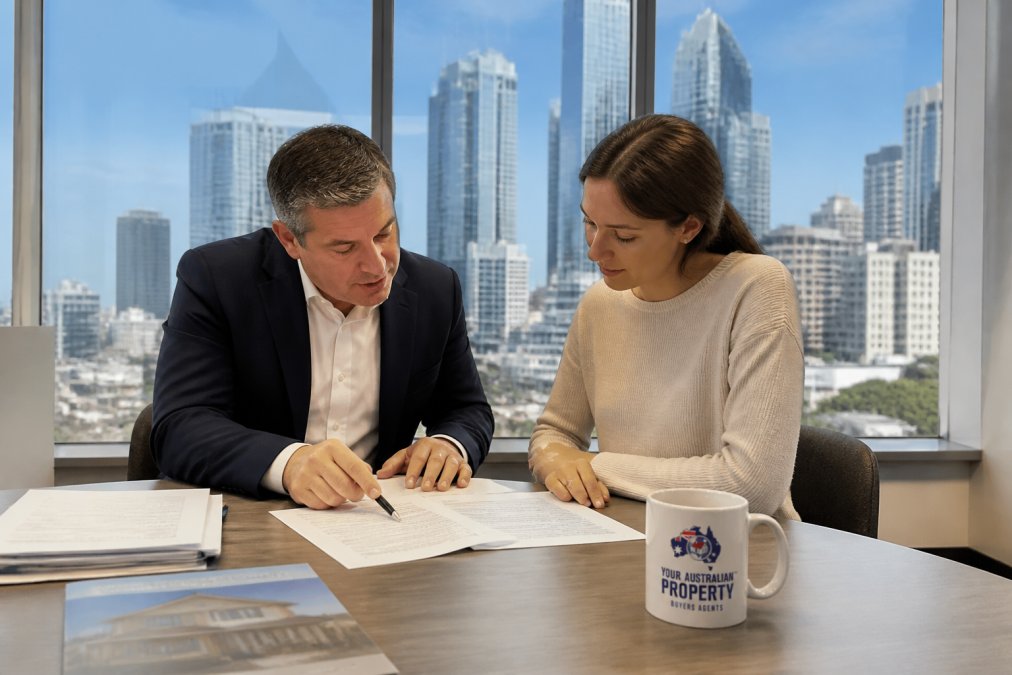
Professional buyer's agent and client reviewing property documents and negotiation strategy at desk with Melbourne cityscape visible through office window
Book a free Strategy Session today. We’ll walk through your criteria, timeline, and budget. We’ll explain our process, answer your questions, and show you exactly how we help buyers like you avoid overpaying and secure the right property faster.
=== FAQ ANSWERS (audit these too, same rules) ===
[1] Q: Is a buyers agent worth the investment for property purchasers?
A: Yes, when structured correctly. Buyers surveyed in 2023 reported that 85% believed their agent helped them secure a better deal than they could alone. The key is selecting an agent aligned with your budget and timeline, and understanding exactly what services are included before you commit.
[2] Q: How are buyers agent fees typically structured in the property market?
A: Fees come in three main models: percentage-based (1.2-2.75% of purchase price), flat fees ($8,000-$25,000 depending on scope), or hybrid structures combining both. Most agents require an upfront retainer (typically 20% to 50% of the estimated total fee) deducted from the final fee upon purchase. Success fees may apply for negotiation-only or auction-bidding services. Always clarify what’s included, property search, due diligence, negotiation, settlement support, before signing.
[3] Q: How can a buyers agent help me avoid overpaying for a property?
A: Experienced agents control the negotiation process through market intelligence, comparable sales data, and vendor psychology. They identify structural issues, negotiate confidently without emotional attachment, and know when to walk away. A Melbourne agent with 30+ years of experience has seen thousands of sales and knows exactly where buyers typically overpay. They also access off-market properties, giving you options sellers haven’t marketed broadly.
[4] Q: What should I look for when choosing a buyers agent?
A: Prioritise independence (no selling conflicts), local market depth (especially for your suburb), transparent fee agreements, and a track record of negotiation wins. Ask for references from recent buyers in your price bracket. Avoid agents who push you toward higher-priced properties or rush the process. Check whether they offer post-settlement support and have access to off-market opportunities. Interview at least two agents before committing.
Frequently Asked Questions
Is a buyers agent worth the investment for property purchasers?
Yes, when structured correctly. Buyers surveyed in 2023 reported that 85% believed their agent helped them secure a better deal than they could alone. The key is selecting an agent aligned with your budget and timeline, and understanding exactly what services are included before you commit.
How are buyers agent fees typically structured in the property market?
Fees come in three main models: percentage-based (1.2-2.75% of purchase price), flat fees ($8,000-$25,000 depending on scope), or hybrid structures combining both. Most agents require an upfront retainer (typically 20% to 50% of the estimated total fee) deducted from the final fee upon purchase. Success fees may apply for negotiation-only or auction-bidding services. Always clarify what's included, property search, due diligence, negotiation, settlement support, before signing.
How can a buyers agent help me avoid overpaying for a property?
Experienced agents control the negotiation process through market intelligence, comparable sales data, and vendor psychology. They identify structural issues, negotiate confidently without emotional attachment, and know when to walk away. A Melbourne agent with 30+ years of experience has seen thousands of sales and knows exactly where buyers typically overpay. They also access off-market properties, giving you options sellers haven't marketed broadly.
What should I look for when choosing a buyers agent?
Prioritise independence (no selling conflicts), local market depth (especially for your suburb), transparent fee agreements, and a track record of negotiation wins. Ask for references from recent buyers in your price bracket. Avoid agents who push you toward higher-priced properties or rush the process. Check whether they offer post-settlement support and have access to off-market opportunities. Interview at least two agents before committing.
Melbourne’s property market is shifting. After years of underperformance, the city is now positioned as Australia’s best-performing capital in 2026, with forecasts predicting 6.6% growth for houses and 7.1% for units according to KPMG’s 2026 property market forecast. But here’s what most buyers miss: the suburbs that deliver this growth follow patterns. They signal opportunity. Knowing where to look separates investors who build wealth from those who chase hype.
At Your Australian Property Buyers Agents, we’ve spent 30+ years analysing which suburbs perform, which disappoint, and what separates a winning acquisition from an expensive mistake. This guide covers the methodology, data, and specific growth suburbs that matter in 2026.
But not all suburbs are created equal. According to HtAG Analytics analysis of 1,400+ Melbourne suburbs, only 23% of suburbs are in growth cycle phase 1 or 2 (high-growth phases), while 41% remain in phase 3 or 4 (decelerating or declining). Nearly two-thirds of the market is either slowing or contracting.
Suburb selection determines outcome. A property in the wrong location stagnates for years. A property in the right location compounds wealth.
Supply is critical. The outer western and northern growth corridors experience severe scarcity, with average stock on market at just 1.6%, well below Melbourne’s long-run average of 2.4%. Low supply + rising demand = capital growth. This is where experience matters.
Rental vacancy rates sit consistently below 2% across most of the metro, supporting both yield and capital growth. Population growth is accelerating, driven by interstate migration reversing and overseas migration returning. These macro signals create micro opportunities in the right suburbs.
Top Growth Suburbs for Capital Growth and Rental Yield
Here’s where buyers often get it wrong: they chase recent performers or follow online forums. We see this all the time. Instead, identify suburbs entering early-cycle growth, where capital growth compounds over 3-5 years.
Three zones concentrate the strongest signals: the outer western corridor, the northern growth corridor, and the south-eastern infill belt.
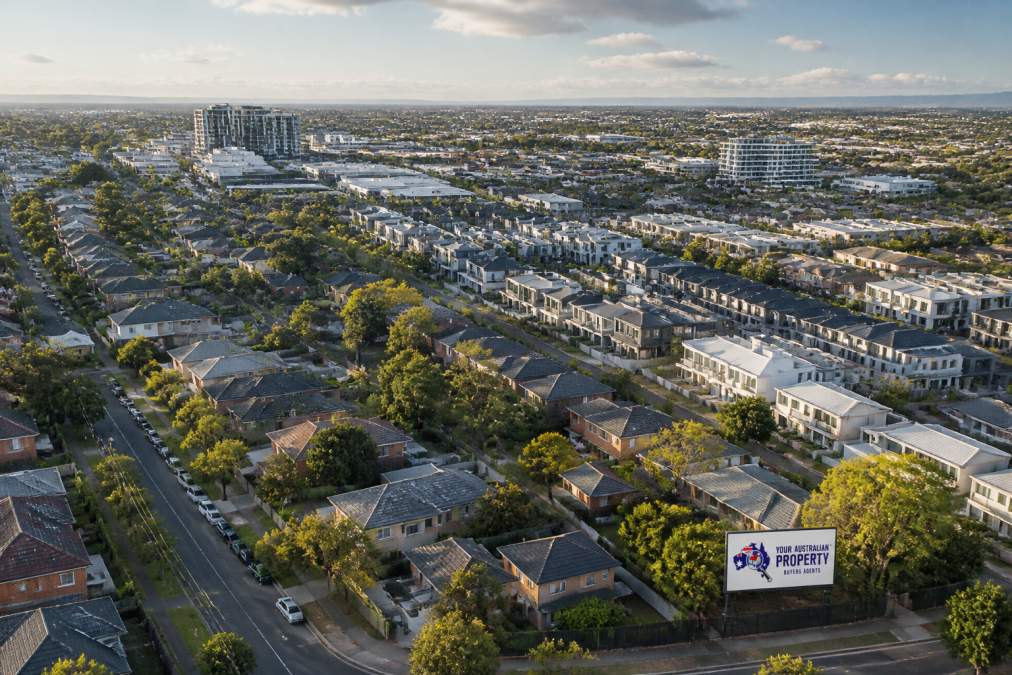
Aerial view of a growing Melbourne suburb with new residential developments, tree-lined streets, and mixed housing types showing urban renewal in afternoon light
Outer Western Corridor: Wyndham and Surrounds
The outer western corridor is where infrastructure investment meets population pressure. New transport connections, school expansions, and retail development anchor long-term demand.
Suburbs here offer entry prices below $600,000 for solid three-bedroom homes, with rental yields in the 4-5% range. This is the sweet spot: affordable entry, genuine yield, and capital growth potential as infrastructure matures.
The risk is timing. Not every outer western suburb performs equally. Some are oversupplied with apartments. Others lack transport connectivity or employment proximity that drives sustained demand. This is where suburb-specific analysis matters.
The northern growth corridor has underperformed relative to the west, but that’s changing. Craigieburn, Mickleham, and Donnybrook now show early-cycle signals. Population growth is accelerating, supply is tight, and infrastructure investment is finally reaching these areas.
Entry prices range from $550,000 to $750,000 for new and established homes. Rental yields sit around 4-4.5%. What makes this zone interesting is the catch-up factor: when northern suburbs reach parity with western suburbs, capital growth compounds quickly.
Early-cycle suburbs often trade at a discount precisely because they’re not yet fashionable. By the time the market recognises the opportunity, much upside is already priced in.
South-Eastern Infill Belt: Dandenong, Springvale, Noble Park
The south-eastern infill belt represents a different strategy. These established suburbs have strong migration networks, cultural diversity, and employment proximity. They’re value and yield plays rather than growth corridors.
Entry prices range from $450,000 to $650,000. Rental yields often exceed 5%, making them attractive for investors prioritising cash flow. Capital growth is steadier but less explosive than outer growth corridors.
This zone appeals to investors wanting immediate yield, lower volatility, and less reliance on future infrastructure. It’s a different risk/return profile.
Corridor
Entry Price Range
Rental Yield
Growth Profile
Best For
Outer Western
$550K-$750K
4-5%
High growth, longer hold
Capital appreciation
Northern Growth
$550K-$750K
4-4.5%
Early-cycle catch-up
Patient investors
South-Eastern Infill
$450K-$650K
5%+
Steady, yield-focused
Income + stability
How to Choose an Investment Property in Melbourne
Choosing the right property requires a framework. Most buyers focus on the property itself, kitchen, garden, condition. That’s backwards. The suburb determines 70% of outcome. The property determines 30%.
Start with suburb selection using growth rate cycle analysis. Is the suburb entering phase 1 (early growth) or already in phase 3 (decelerating)? Phase 1 suburbs deliver the strongest returns. This is how you avoid overpaying for properties already priced for growth.
Next, assess supply and demand. Tight supply (below 2% stock on market) signals genuine scarcity. High demand (auction clearance rates, days on market, rental vacancy) confirms scarcity is real. Low supply + high demand = capital growth.
Then evaluate infrastructure. Transport connectivity, school proximity, employment hubs, and retail development anchor long-term demand. A suburb with improving transport has a tailwind. One with declining employment proximity has a headwind.
Finally, analyse rental yield. Even buying for capital growth, rental yield is a safety net. A property with 4%+ yield sustains itself while you wait for appreciation. A property with 2% yield depends entirely on capital growth, riskier.
This is where experience matters. We see buyers skip this framework and buy based on emotion, recent performance, or forum chatter. They overpay. They buy in suburbs that disappoint. They tie up capital in properties that don’t perform. Our Investment Property Advisory service guides you through this framework, ensuring suburb selection and property analysis align with your strategy.
Melbourne Property Market Forecast 2026: What the Data Shows
Forecasts for 2026 are mixed, but growth signals are real.
KPMG predicts 6.6% growth for houses and 7.1% for units, making Melbourne the standout performer nationally. Oxford Economics Australia forecasts 5.5% increase by mid-2026, driven by interstate and overseas migration.
But there’s a contrarian view. ANZ Research forecasts a 1.7% fall in house prices over 2026, citing RBA rate sensitivity and weak consumer confidence. Domain predicts house prices could fall 4-8% over the year to June 2027.
Here’s what this means: the market is bifurcated. Growth suburbs in the right cycle phases will perform. Oversupplied suburbs, inner-city apartments, and suburbs in declining phases will struggle. Suburb selection is determinative.
The rental market is tightening. Vacancy rates below 2% support both yield and capital growth. Rents are rising, improving cash flow for investors and signalling strong tenant demand. This backdrop supports investing now, before further capital appreciation and rental growth.
Population growth is the tailwind. Interstate migration is returning, and overseas migration is accelerating. This drives demand for housing in affordable, well-connected suburbs. The suburbs identified, outer western, northern growth, south-eastern infill, all benefit from this demographic shift.
Capital Growth vs Rental Yield Strategy: Which Wins in 2026
This is the decision point: prioritise capital growth or rental yield?
Capital growth strategy targets suburbs in early-cycle phases with strong infrastructure tailwinds. Entry prices are moderate, yields adequate (4-5%), but focus is on appreciation over 5-10 years. Outer western and northern growth corridors fit this profile.
The advantage: compounding wealth. A $650,000 property appreciating at 6% annually becomes $920,000 in 10 years. The disadvantage: you’re betting on future capital growth. If growth stalls, you’re stuck with moderate yield and limited upside.
Rental yield strategy targets established suburbs with strong migration networks and high tenant demand. Entry prices are lower, yields higher (5%+), focus on immediate cash flow. South-eastern infill suburbs fit this profile.
The advantage: immediate income and lower volatility. A $550,000 property yielding 5% generates strong annual returns. If capital growth disappoints, you’ve still built wealth through rental income. The disadvantage: slower wealth accumulation unless capital growth also materialises.
The best investors don’t choose. They blend both strategies. A portfolio with 60% capital growth plays and 40% yield plays balances risk and return. Early-cycle growth suburbs provide upside. Established, high-yield suburbs provide stability.
In 2026, with forecasts split between growth and caution, this blended approach is prudent. You capture upside if growth materialises. You’re protected by yield if growth stalls.
Off-Market Property Opportunities Melbourne: Your Hidden Advantage
Here’s where most buyers lose money: they compete in the open market. Everyone sees the same listings. Everyone bids against each other. Prices get driven up. Negotiation disappears.
Off-market properties are different. They’re sold before hitting the public market. Competition is minimal. Negotiation is real. Pricing is often below market because the seller hasn’t tested the open market.
Property professional and client reviewing property details and market data on a tablet during an inspection, with Melbourne suburb backdrop visible in morning light
Off-market access requires relationships. Real estate agents, developers, and private sellers often approach agents with off-market opportunities before listing publicly. Buyers without these relationships never see them.
This is where a buyer’s advocate makes a tangible difference. Your Australian Property Buyers Agents has 500+ real estate connections across Melbourne, built over 30+ years. We access properties before they hit the market through our Off-Market Properties Melbourne network. We negotiate directly with agents and sellers. We control the process.
If you’re buying on the open market, you’re paying a visibility premium. Off-market access is essential for serious investors.
Common Mistakes Investors Make in Growth Suburbs
Most investors make the same mistakes. We see this all the time, and it costs them tens of thousands.
Mistake 1: Chasing recent performance. A suburb that grew 15% last year gets attention. Buyers rush in. But growth rate cycle analysis shows the suburb is in phase 3 (decelerating). The best growth is already priced in. New buyers overpay.
Mistake 2: Ignoring supply. A suburb looks cheap, so buyers assume it’s undervalued. But supply is high (4-5% stock on market). High supply means weak demand. Weak demand means no capital growth.
Mistake 3: Undersupply without demand. A suburb has tight supply but no employment proximity, poor transport, or weak migration networks. Supply alone doesn’t drive growth. You need supply + demand.
Mistake 4: Buying in oversupplied apartment towers. Docklands, Southbank, and similar inner-city precincts have thousands of apartments. Supply is crushing prices. Many investors are losing money. Avoid.
Mistake 5: Neglecting rental yield. A property yields 2% because you’re betting entirely on capital growth. If capital growth stalls, you’re stuck with a non-performing asset. Yield is a safety net.
Mistake 6: Overleveraging. Low interest rates made overleveraging feel safe. Rising rates have exposed this risk. Investors with 90%+ LVR are vulnerable to rate shocks and market corrections.
Mistake 7: Skipping due diligence. Buyers rush to make an offer without proper inspection, pest and building reports, or suburb analysis. Problems that cost $20,000 to fix are discovered after settlement. Our Property Due Diligence process ensures every risk is identified before you commit.
This is where experience matters. We know how buyers win and lose. We control the process, the negotiation, and the outcome. Most buyers focus on the property. We focus on everything that determines whether it becomes a successful purchase.
Conclusion: Securing Your Next Property the Right Way
Melbourne’s growth suburbs in 2026 offer genuine opportunity, but only if you know where to look and how to negotiate.
The data is clear: early-cycle suburbs in the outer western and northern corridors signal strong capital growth. Established, high-yield suburbs in the south-eastern infill belt offer stability and income. The rental market is tight, population growth is accelerating, and infrastructure investment anchors long-term demand.
But opportunity without strategy is just luck. The difference between success and overpaying comes down to suburb selection, supply/demand analysis, infrastructure assessment, and off-market access.
This is where Your Australian Property Buyers Agents makes a real difference. With 30+ years of Melbourne property experience, access to off-market opportunities, and a track record of securing properties within 60 days, we help buyers avoid costly mistakes and negotiate with confidence. We work exclusively for buyers. No conflicts. No selling. Just independent advice and proven results.
Ready to secure your next property the right way? Book a free strategy session to discuss your investment goals, the suburbs that match your strategy, and how we can help you win in a competitive market.
=== FAQ ANSWERS (audit these too, same rules) ===
[1] Q: What suburbs should I invest in Melbourne in 2026?
A: HtAG Analytics identified 47 suburbs with early-cycle growth signals in Q1 2026. The strongest performers cluster in three zones: the outer western corridor (Wyndham and surrounds), the northern growth corridor (Craigieburn, Mickleham, Donnybrook), and the south-eastern infill belt (Dandenong, Springvale, Noble Park). Suburbs entering Growth Rate Cycle Phase 1 have historically delivered 11.3% median capital growth in the following 12 months, compared to 3.1% city-wide. The key is matching the suburb’s growth phase to your investment timeline and strategy, whether you’re chasing capital growth or rental yield.
[2] Q: How do I choose the right investment property in Melbourne?
A: Start with supply and demand fundamentals. The average stock on market in outer western and northern growth corridors sits at 1.6%, well below Melbourne’s long-run average of 2.4%, tight supply supports price growth. Next, assess the Growth Rate Cycle phase and infrastructure investment pipeline. Then evaluate rental yields (Melbourne’s vacancy rate is 1.6%, supporting strong rental demand) and your own cash flow requirements. Finally, examine the suburb’s economic indicators: population growth, transport connectivity, and zoning potential. This is where experience matters, most investors focus on the property itself. We focus on everything that determines whether it becomes a successful purchase.
[3] Q: Is 2026 a good time to buy an investment property in Melbourne?
A: Yes, with conditions. KPMG forecasts Melbourne house prices to rise 6.6% in 2026 and units 7.1%, positioning Melbourne as Australia’s best-performing capital this year. However, ANZ Research forecasts a 1.7% fall, and Domain is even more cautious with house prices down 4-8% over the year to June 2027. The difference hinges on which suburbs you target and your entry timing. Growth suburbs with early-cycle signals are outperforming the city-wide average by 8.2 percentage points. Timing matters, so does suburb selection.
[4] Q: What’s the difference between capital growth and rental yield, and which should I prioritise?
A: Capital growth is the increase in property value over time; rental yield is the annual rental income as a percentage of the property’s value. Growth suburbs in early-cycle phases prioritise capital growth but often sacrifice yield. Established suburbs offer stronger rental yields (4-5% gross) but slower capital appreciation. Your strategy depends on your timeline and cash flow needs. If you’re building long-term wealth and can absorb negative gearing, chase capital growth in early-cycle suburbs. If you need immediate income, focus on yield-focused suburbs with established rental demand. Most sophisticated investors do both: acquire growth assets early, hold through the cycle, and refinance into yield-focused properties later.
Frequently Asked Questions
What suburbs should I invest in Melbourne in 2026?
HtAG Analytics identified 47 suburbs with early-cycle growth signals in Q1 2026. The strongest performers cluster in three zones: the outer western corridor (Wyndham and surrounds), the northern growth corridor (Craigieburn, Mickleham, Donnybrook), and the south-eastern infill belt (Dandenong, Springvale, Noble Park). Suburbs entering Growth Rate Cycle Phase 1 have historically delivered 11.3% median capital growth in the following 12 months, compared to 3.1% city-wide. The key is matching the suburb's growth phase to your investment timeline and strategy, whether you're chasing capital growth or rental yield.
How do I choose the right investment property in Melbourne?
Start with supply and demand fundamentals. The average stock on market in outer western and northern growth corridors sits at 1.6%, well below Melbourne's long-run average of 2.4%, tight supply supports price growth. Next, assess the Growth Rate Cycle phase and infrastructure investment pipeline. Then evaluate rental yields (Melbourne's vacancy rate is 1.6%, supporting strong rental demand) and your own cash flow requirements. Finally, examine the suburb's economic indicators: population growth, transport connectivity, and zoning potential. This is where experience matters, most investors focus on the property itself. We focus on everything that determines whether it becomes a successful purchase.
Is 2026 a good time to buy an investment property in Melbourne?
Yes, with conditions. KPMG forecasts Melbourne house prices to rise 6.6% in 2026 and units 7.1%, positioning Melbourne as Australia's best-performing capital this year. However, ANZ Research forecasts a 1.7% fall, and Domain is even more cautious with house prices down 4-8% over the year to June 2027. The difference hinges on which suburbs you target and your entry timing. Growth suburbs with early-cycle signals are outperforming the city-wide average by 8.2 percentage points. Timing matters, so does suburb selection.
What's the difference between capital growth and rental yield, and which should I prioritise?
Capital growth is the increase in property value over time; rental yield is the annual rental income as a percentage of the property's value. Growth suburbs in early-cycle phases prioritise capital growth but often sacrifice yield. Established suburbs offer stronger rental yields (4-5% gross) but slower capital appreciation. Your strategy depends on your timeline and cash flow needs. If you're building long-term wealth and can absorb negative gearing, chase capital growth in early-cycle suburbs. If you need immediate income, focus on yield-focused suburbs with established rental demand. Most sophisticated investors do both: acquire growth assets early, hold through the cycle, and refinance into yield-focused properties later.
Approximately 20% of homes are sold off-market each year in Australia, according to the Real Estate Buyers Agents Association of Australia (REBAA). For buyers in a fast-moving market, this hidden inventory represents genuine opportunity, but only if you know how to access it.
Properties that never hit the public market are often the best deals. Less competition. More time to negotiate. Better value. But accessing them requires a completely different approach than traditional buying.
At Your Australian Property Buyers Agents, we’ve spent over 30 years building the networks and strategies that unlock these opportunities. We see this all the time, buyers who go it alone miss 95% of what’s actually available. The ones who win have a system. They know which agents to contact. They understand what sellers actually want. They move fast when the right property appears.
Pro Tip Off-market doesn’t mean cheap. It means less visible. The real advantage is negotiation room, fewer competing offers means you can structure a deal that suits your situation, not just throw money at it.
How to Approach Real Estate Agents for Off-Market Listings
Real estate agents control access to off-market stock. If you want to secure off-market property, you need agents actively thinking of you when something comes in.
Most buyers approach this wrong. They call an agent, ask about off-market properties, and expect a response. Agents get dozens of these calls weekly. You’ll be forgotten in 48 hours.
The right approach is direct relationship building. Identify agents who handle the property types and suburbs you’re targeting. Call them directly. Tell them exactly what you’re looking for: property type, suburb, price range, timeline.
The conversation should include your budget (and proof you can access it), your timeline, your non-negotiables, and your flexibility. Then ask directly: "If something matching this comes to you off-market, will you contact me first?" Get their email and follow up in writing confirming what you discussed. This creates accountability.
According to research from the Real Estate Buyers Agents Association of Australia, 60% of off-market purchases happen because buyers have pre-qualified relationships with agents. You need to be that buyer.
Watch Out Lowballing at first contact kills the relationship. Agents won’t call you back if your opening offer insults the seller. Show you’re serious with realistic pricing based on comparable sales data.
Building Relationships with Real Estate Agents
Relationships with agents are how you secure off-market property consistently. Not one-off calls. Actual relationships where agents think of you when opportunities appear.
Professional buyer's agent and real estate agent shaking hands across a desk in a modern office, with property files and a laptop visible, natural office lighting through large windows
This is where experience matters. Agents have relationships with 50+ buyers at any given time. The ones they prioritise are the ones who’ve proven they’re serious, professional, and ready to transact quickly.
Meet agents in person where possible. A 15-minute coffee conversation builds more trust than five phone calls. Explain your buying strategy. Show them your finance pre-approval letter. Let them know you’re working with a buyer’s agent, this signals you’re organised and serious.
Stay in regular contact every 4-6 weeks. "Still looking for properties in this range. Anything come through that might suit?" This keeps you top of mind without being annoying.
The agents worth building relationships with specialise in your target suburbs. They know the local market intimately. They have access to properties before they’re listed. They understand vendor motivations and what terms might work.
We see this all the time: buyers who build genuine relationships with 3-4 key agents in their target area get first access to everything. The ones who don’t end up competing in the open market against everyone else.
Key Takeaway Agents remember buyers who are professional, responsive, and ready to move. Respond to calls within hours. Have your finance sorted. Make decisions quickly.
Can a Buyer’s Agent Help with Negotiations
Yes. A buyer’s agent fundamentally changes how you negotiate off-market property deals.
Here’s where buyers get it wrong: they think negotiation is just about price. It’s not. Negotiation is about structure, timing, conditions, settlement terms, and use. A buyer’s agent controls all of these.
When you negotiate alone, you’re operating from a position of weakness. The seller knows you probably don’t understand the market. They know you’re emotionally attached to the property. They know you’ll likely accept whatever terms they offer.
A buyer’s agent acts as a buffer between you and the seller. They bring market data to every conversation. They know what comparable properties sold for. They understand what terms are reasonable. They know how to structure an offer that protects you while remaining attractive to the seller.
More importantly, a buyer’s agent has access to off-market opportunities you’d never find alone. According to CoreLogic market analysis, off-market properties in high-demand areas move quickly, often within days. A buyer’s agent with established agent networks gets called first.
The negotiation itself becomes more strategic. Instead of "I’ll offer $X," it becomes "Here’s what comparable sales support, here’s what your timeline allows, here’s what financing terms make sense, here’s what we can structure to work for everyone." That’s a conversation a seller takes seriously.
Your Australian Property Buyers Agents brings 30+ years of negotiation experience to every deal. We know what works. We know how to read a seller’s actual position versus their opening stance. That expertise translates directly into better outcomes, better price, better terms, better protection.
Best For Buyers who want to secure off-market property without negotiating directly with the seller. Investors purchasing multiple properties. First-home buyers unfamiliar with market conditions. Anyone buying in an unfamiliar suburb.
Off-Market Property Due Diligence Checklist
Off-market properties require more rigorous due diligence than listed properties. You don’t have public comparable sales. You don’t have agent marketing materials highlighting condition issues. You’re working with limited information. real estate underwriting.
Buyer's agent conducting a property inspection, holding a tablet and taking notes while examining interior walls, windows, and flooring in a residential property with natural sunlight
This is critical. Sellers often sell off-market because they want to avoid the scrutiny that comes with public listing. That doesn’t mean the property has problems, but it means you need to look harder.
Building and Pest Inspection
Get a comprehensive building inspection. Off-market doesn’t mean you skip this. It means you need it more because you haven’t had months of public scrutiny revealing problems. The inspection should cover structural integrity, roof condition, electrical systems, plumbing, and pest damage.
Title Search and Legal Review
Check the title for easements, covenants, or restrictions that might affect use or resale. Some properties have heritage overlays, planning restrictions, or shared access arrangements that aren’t obvious. A conveyancer should review this before you commit.
Market Comparables
Without public listings, you need to build your own comparable sales data. Look at recent sales of similar properties in the same suburb. Check what comparable properties are currently listed for. If the off-market price is significantly lower than comparables, understand why. If it’s higher, that’s a red flag.
Council Records and Planning
Check the local council website for planning permits, building approvals, and any outstanding issues. Some properties have unpermitted additions or modifications. Know what you’re actually buying.
Finance Pre-Approval
Before making an offer on any off-market property, have finance pre-approval in place. Lenders assess off-market properties differently, they want proof of value through comparable sales data. Get this sorted early so you’re not scrambling after you’ve made an offer.
Vendor Motivation
Understand why the property is being sold off-market. Is the seller relocating? Downsizing? Facing financial pressure? The reason matters. It tells you what terms might work.
Here’s the due diligence checklist:
Task
Timeline
Priority
Finance pre-approval
Before offer
Critical
Building and pest inspection
Within 7 days of offer
Critical
Title and legal review
Within 7 days of offer
Critical
Market comparables research
Before offer
High
Council records check
Within 7 days of offer
High
Vendor motivation assessment
Before negotiation
High
Cooling-off period review
Before contract
Critical
Off-market transactions in Australia typically include a cooling-off period (usually 5 business days) that allows you to withdraw from the contract. Understand this period before you sign.
Negotiating Off-Market Property Prices
Price negotiation on off-market property is fundamentally different from negotiating on listed properties. There’s no auction. There’s no public competition driving prices up. There’s just you, the seller, and a negotiation.
Here’s where buyers get it wrong: they anchor on the asking price. They assume it’s a real number. Often it’s not. Off-market asking prices are frequently inflated because there’s no market feedback to ground them in reality.
The right approach is to anchor on evidence. Comparable sales. Current listings. Market data. When you say "Properties in this condition and location sold for $X last month," that’s a conversation the seller has to take seriously.
Start by understanding what comparable properties actually sold for. Not what they’re listed for, what they sold for. This is your anchor point. Then structure your offer strategically. Off-market sellers often care about things beyond price: settlement timeline, conditions (building and pest contingencies), chattels (furniture, appliances), and terms (deposit timing).
A smart negotiation uses these levers. "I’ll offer $880,000 with a 10-week settlement and standard building and pest conditions" is more attractive to a seller than "$870,000 unconditional, settlement in 4 weeks."
Watch Out Don’t negotiate emotionally. If you fall in love with a property, you lose leverage. Know your walk-away price before you start negotiating. If the seller won’t move below that, walk. There will be other properties.
The negotiation itself should happen through your buyer’s agent or through a conveyancer. This creates distance between you and the seller, which keeps negotiations professional.
Preparing Your Finances and Making the Offer
Before you make an offer on any off-market property, your finances need to be bulletproof. Sellers of off-market properties want certainty. They want to know you can actually complete the purchase.
Start with finance pre-approval. Not a general approval. A pre-approval that specifically covers the property type, price range, and suburb you’re buying in. Lenders assess off-market properties more conservatively than listed properties because there’s less public comparable data.
Then understand your actual borrowing capacity. Pre-approval doesn’t mean you should borrow the maximum. Your actual offer should be based on your deposit, your borrowing capacity, your serviceability, and your buffer for interest rate rises.
Most buyers skip this analysis and end up overleveraged. We see this all the time. They secure a property, then realise they can’t actually afford it once settlement happens.
When you make an offer on an off-market property, include your finance pre-approval letter. This signals to the seller that you’re serious and capable. It also protects you, if finance doesn’t come through, you have grounds to withdraw (assuming you’ve included appropriate conditions in your contract).
The offer itself should be in writing. Include purchase price, proposed settlement date, conditions (building and pest inspection, finance, title review), deposit amount and timing, any chattels included or excluded, and special terms or requests. Have your conveyancer or buyer’s agent draft this. It protects you legally and signals professionalism to the seller.
Settlement typically occurs 6-12 weeks after contract. During this period, you’ll have your building and pest inspection, finance finalisation, and title review completed. If anything material comes up, you have grounds to renegotiate or withdraw (depending on your conditions).
The cooling-off period in Australia typically lasts 5 business days from contract signing. Use this time to have your conveyancer review the contract and title thoroughly. Once the cooling-off period ends, you’re committed.
Securing off-market property requires strategy, preparation, and relationships. Most buyers only see the property. They focus on whether they like it, whether the price seems reasonable, whether they can get finance approved. That’s 5 steps.
We control the other 30.
We know which agents have inventory. We know how to build relationships that get us first access. We know how to structure negotiations that work. We know what due diligence actually matters. We know how to read a seller’s position and move accordingly.
The difference between a buyer who secures the right property at the right price and one who overpays is process. It’s experience. It’s knowing what happens behind the scenes.
Your Australian Property Buyers Agents brings 30+ years of that experience to every transaction. We’ve negotiated hundreds of off-market deals. We know Melbourne’s market intimately. We have relationships with real estate agents across every suburb. We know how to structure offers that sellers actually accept.
If you’re serious about securing off-market property, book a free Strategy Session and let’s discuss your specific situation. We’ll walk through your target suburbs, your budget, your timeline, and exactly how we’d approach finding and securing the right property for you.
Frequently Asked Questions
Why do vendors choose to sell off-market?
Vendors choose off-market sales for privacy, control and speed. They avoid public exposure, reduce open house disruptions, and can negotiate directly with qualified buyers. In low-stock environments like Melbourne, vendors often receive strong interest without advertising. However, this approach typically results in lower sale prices, houses sold off-market achieved prices 4.3% lower on average nationally, equating to close to $30,000 less in Melbourne. This is why working with a buyer's agent who understands seller motivations gives you negotiation leverage.
What information should you request before making an off-market offer?
Request the contract of sale, title documents, building and pest inspection reports, council records, planning permits, and any easements or restrictions. Ask about the property's condition, recent renovations, and settlement terms the vendor prefers. Understand the cooling-off period and any conditions (finance pre-approval, unconditional contract). A buyer's agent will stress-test these details and flag legal or structural risks before you commit. This due diligence prevents costly mistakes that buyers often overlook when moving quickly on off-market deals.
How can a buyer's agent help with negotiations for off-market deals?
A buyer's agent acts exclusively in your interest, no conflicts. They analyse comparable sales data, establish fair market value without public listings, identify vendor motivation, and present offers strategically. They negotiate settlement terms, deposit requirements, and contract conditions. They also manage the emotional side: building rapport with the selling agent, timing offers to match vendor readiness, and knowing when to hold firm. Most buyers only see the property. We see the 30 steps that determine whether the deal wins or loses.
What are the main risks of buying off-market property?
Off-market transactions carry specific risks: limited comparable sales data makes valuation tricky, you may overpay without market feedback, the vendor may not be fully committed (deals can fall through), and unclear pricing expectations complicate negotiations. Legal risks include hidden easements, planning restrictions, or structural issues that public listings often expose through multiple inspections. Without auction deadlines, deals drag on. A thorough due diligence checklist and independent legal advice protect you. This is where experience matters, we've seen the pitfalls most buyers miss.